Top Mistakes to Avoid When Enrolling in Your First Yoga Teacher Training
By Willem Jansen 30-01-2026 294
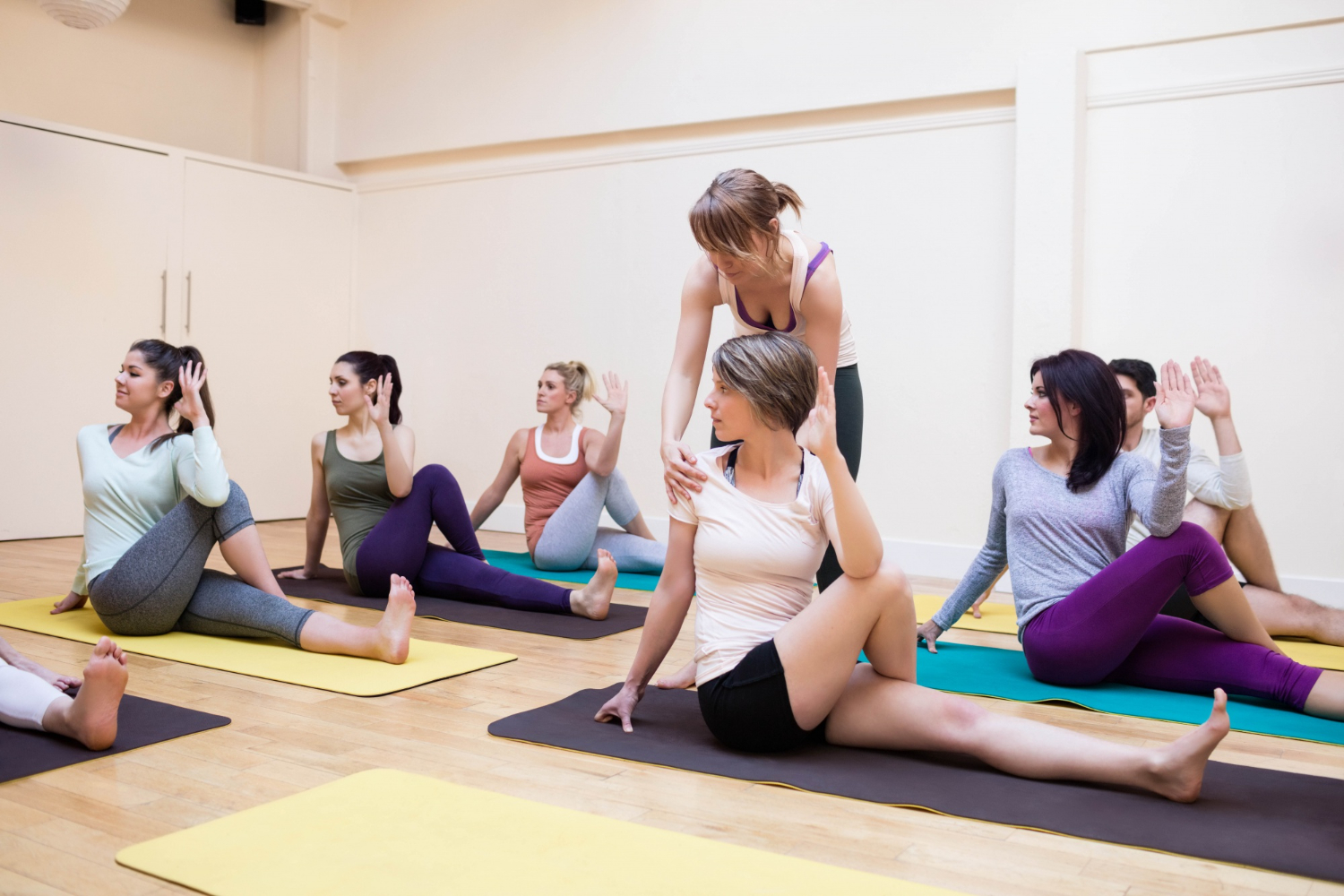
Entering your first yoga teacher training is often considered a turning point. For some, it is the start of a new career. For others, it is a deeply personal journey of self-study, healing, and understanding. However, many students enter training with a set of expectations that aren’t entirely aligned with reality. By 2026, the yoga education landscape is more diverse—and confusing—than ever before.
Whether you are looking at a yoga training program or a multi-style certification, an understanding of common pitfalls can save you time, money, and frustration. More importantly, it will help ensure that your training is a solid start rather than a hurried finish.
This article is based on years of teaching experience, shifting educational norms, and the latest research to guide you in making the right decision.
Mistake 1: Choosing a Training Only for the Certificate
One of the biggest pitfalls is attending a yoga teacher training program simply to “get certified.” While certification is important, it should never be the sole reason for attending a program.
Yoga is not information; it is embodied knowledge. A good training program will influence how you watch, listen, and teach others. When the goal is simply to fulfil the hours, the real learning that makes teaching safe and authentic may be overlooked.
Instead, consider the following:
- Seek out programs that focus on practice, reflection, and teaching skills
- Evaluate how the program supports growth, not just graduation
- Ask how graduates apply the learning in a teaching environment
Mistake 2: Not Understanding the Style You’re Signing Up For
Many new trainees think all yoga teacher trainings are the same. They are not.
For instance, a yin yoga teacher training is all about long-held poses, fascia, joints, and nervous system function. This is vastly different from other forms of yoga that focus on muscle activation and movement.
Without this knowledge, you could find yourself in a training that doesn’t suit your body, personality, or intentions.
Before you sign up for a training, ask yourself these questions:
- Do I like stillness or movement?
- Do I like anatomy and mindfulness or sequencing and strength?
- Does this style of yoga meet my needs at this time?
Understanding this early prevents frustration and burnout.
Mistake 3: Ignoring the Importance of Teacher Experience
Not all popular teachers have extensive teaching experience. In yoga education, it is more important to have depth than breadth.
Experienced teachers know the differences between bodies, the process of learning over time, and the skill of holding space for emotional release, especially in contemplative modalities such as yin yoga teacher training.
What to consider when evaluating lead teachers:
- Years of teaching experience, independent of popularity on social media
- Experience teaching a variety of bodies and backgrounds
- Lineage or ongoing study with senior teachers
A good teacher will show you how to do the poses, but more importantly, how to observe and respond.
Mistake 4: Underestimating the Physical and Emotional Demands
Yoga teacher training is not a retreat. Even slower forms of yoga can be demanding on the body and nervous system. Long periods of sitting, practising, and learning can be quite intense.
Studies on contemplative movement demonstrate that prolonged periods of stillness can release emotional issues, especially when mindfulness practices are included.
Many beginners are not ready for this.
How to realistically prepare for this:
- Develop a personal practice before the training
- Learn basic anatomy and self-care concepts
- Select a training program that addresses emotional release, not just technique
This is particularly important for yoga teacher training, where introspection is a key component.
Mistake 5: Choosing a Program Without a Clear Teaching Methodology
The usual complaint of new graduates is this: “I finished training, but I don’t feel ready to teach.”
This is usually the case when there is an emphasis on philosophy and personal practice but not on how to teach.
A good training program should have these components:
- Cueing and communication skills
- Safe sequencing principles
- Modifications for injuries and limitations
- Practice teaching with feedback
If these are not included, then confidence is built up slowly, mostly through trial and error.
Mistake 6: Overlooking Anatomy and Safety Education
Contemporary yoga education requires a deep knowledge of anatomy, particularly in relation to long-held postures and passive loading in yin yoga training.
Current fascia studies emphasise that fascia can adapt to stress, but too much stress or improper alignment can result in injury. Training that emphasises beautiful alignment without proper understanding is dangerous for both the teacher and the student.
High-quality programs teach:
- Functional movement over idealised shapes
- Individual skeletal variation
- The difference between sensation and pain
This knowledge is essential for safe, inclusive teaching.
Mistake 7: Not Considering Your Learning Style
Some people love immersive residential training. Others require time to integrate knowledge at a slower pace. Still, many students make decisions based on trends and not their own learning style.
Online yoga teacher training has come a long way. Well-structured online training provides learning, guidance, and lasting access to the content. Residential training provides focus and hands-on learning.
Neither is inherently superior, but the wrong choice can hold you back.
Ask yourself these questions:
- Do I learn better through repetition or immersion?
- Can I commit fully to a residential schedule right now?
- Do I need flexibility to integrate learning into daily life?
Mistake 8: Assuming Yoga Teacher Training Is Only for Teachers
Some students are reluctant to enrol because they do not intend to teach. This attitude can result in hasty enrollment or opting for “lighter” courses.
The truth is that yoga teacher training, particularly a yoga training course, is also an effective method for:
- Enhancing self-awareness
- Aiding emotional regulation
- Exploring the body beyond physical exercise
When students can let go of the need to perform or teach right away, education can be more authentic and long-lasting.
Mistake 9: Not Reviewing Post-Training Support
The end of training is the start of integration. However, many schemes provide little in the way of support after the course has finished.
Good schools offer:
- Access to resources
- Mentorship or refresher courses
- Teaching opportunities or community support
This is particularly important in the first year following graduation.
Mistake 10: Rushing the Decision
Perhaps the biggest error is rushing to register too quickly.
Yoga teacher training is an investment of time, effort, and trust. Taking a few extra weeks to research, reflect, and ask questions often leads to a much better experience.
Slow decision-making aligns with yoga itself.
Final Thoughts
Your initial yoga teacher training program will set the tone for your relationship with yoga for years to come. By simply avoiding these common pitfalls, you won’t have a perfect experience, but you will give yourself a much better chance at a meaningful one.
Regardless of whether you opt for a basic course or a specialised in 200-hour TTC or yin yoga teacher training program, there is much more to look for than just the promise and popularity.
Your yoga teacher training program should be more than just education. It should be a practice in awareness, responsibility, and lifelong learning.