Top Design Trends for Real Estate Signs in San Jose’s Competitive Market
By John Smith 12-02-2026 108
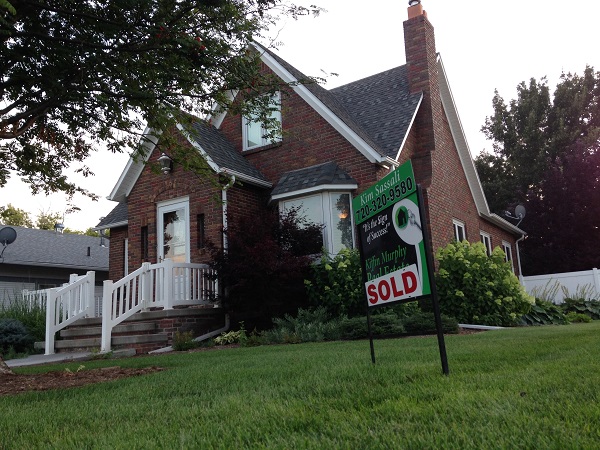
In one of California’s most dynamic housing markets, standing out visually is just as crucial as having a compelling property to sell. San Jose’s real estate ecosystem—stretching through Santana Row to Willow Glen, Campbell to Milpitas—is fiercely competitive, and that competition extends beyond online listings and open house strategies. Sellers, agents, and developers understand that first impressions often happen at the curb, where Real Estate Signs San Jose make or break a potential buyer’s attention.
This comprehensive guide explores the top design trends shaping real estate signage in San Jose’s competitive market, and how forward-thinking professionals are using innovative aesthetics, smart materials, and strategic messaging to elevate visibility and generate leads.
1. The Power of First Impressions: Why Sign Design Matters
When buyers cruise through neighborhoods like Downtown San Jose or Blossom Valley, a well-designed real estate sign does more than display contact information. It communicates brand identity, property value, and professionalism in seconds. In a market where homes often garner multiple offers in days, a sign is a silent salesperson working 24/7.
Key functions of outstanding real estate signage include:
Drawing attention through visual hierarchy
Communicating essential information quickly
Encouraging a call to action
Reflecting the personality and branding of the agent or brokerage
Signage not only captures a snapshot of the property but reinforces trust. In San Jose, customers often equate clean, modern, and thoughtful signage with quality homes and reputable agents.
2. Bold Typography for Maximum Impact
Today’s real estate signs favor bold, readable typography that’s easy to scan from a distance—critical for drivers passing by at normal neighborhood speeds. Large, crisp fonts enhance visibility. Agents targeting commuters along major arteries like Monterey Highway or Stevens Creek Boulevard often choose sans-serif fonts with strong characterization.
Best typography practices:
Avoid overly decorative fonts
Choose high-contrast color pairings (e.g., dark blue text on white)
Ensure name, phone number, and web address are largest
Secondary details (like QR codes or property highlights) in smaller text
Clear typography is essential for both traditional and digital-integrated signs.
3. Vibrant Color Schemes That Reflect Local Aesthetics
In a market as diverse and trend-aware as San Jose’s, color choices go beyond branding—they reflect community character. Subtle earth tones resonate with homes near the Almaden Valley hills, while sharper, more refined palettes are embraced in areas like Santana Row or downtown.
Emerging color trends include:
| Neighborhood Style | Suggested Palette |
|---|---|
| Urban & Modern (Downtown San Jose, North San Jose) | Charcoal, Lime Green, White |
| Suburban & Traditional (Cambrian, Santa Teresa) | Navy Blue, Cream, Taupe |
| Artistic & Boutique (Willow Glen, Los Gatos) | Burgundy, Gold Accent, Light Gray |
Color not only attracts the eye but can subtly influence buyer perception—suggesting luxury, warmth, or modernity before a buyer even steps inside.
4. Minimalism With Purpose: Clean, Functional Layouts
Less is more—especially in sign design where cognitive overload can turn attention into confusion. Minimalist layouts ensure that only relevant property details, agent contact information, and branding cues are presented.
Minimalism still supports personality. Many designers now incorporate:
Generous whitespace
Fine line separators
Elegant but functional contact icons
Seamless QR code integration
The primary aim is to reduce visual clutter while reinforcing professionalism and instant understanding.
5. QR Codes: Bridging Print and Digital in Real Estate
In tech-centric San Jose, QR codes have become a staple on Real Estate Signs San Jose. They offer a frictionless transition from physical signage to immersive digital tours, floor plans, agent profiles, or direct scheduling.
Why QR codes work well:
Contactless property details
Analytics on sign engagement
Faster lead capture
Ability to track performance by location or sign variation
When placed strategically and paired with short directions like “Scan for 3D Tour,” they elevate a static sign into an interactive lead magnet.
6. Materials and Durability: From Classic to Premium
San Jose’s varied microclimates—sunny days near Santa Clara, foggy mornings near Almaden—demand durable materials. Innovations in substrate choices integrate both resilience and aesthetic appeal.
Popular material choices:
Coroplast – Economical and widely used for temporary signs
Acrylic – Premium look with gloss finish
Aluminum Composite – Durable for long-term installations
PVC Board – Cost-effective yet sturdy
Eco-friendly materials are also trending. Recycled composites and sustainable inks appeal to eco-aware buyers, especially in communities like Cupertino and Los Gatos.
7. Customization Is Key: Tailored Signage Solutions
Off-the-shelf signs are fading in popularity. Today’s agents demand Custom Real Estate Signs that align with brand standards, community vibe, and specific property features.
Benefits of custom signs include:
Unique shapes (arrows, rectangles with cutouts, multi-layered designs)
Personalized color combinations
Custom messaging output
Integration of logos and slogans
Whether designed for luxury estates in Evergreen or starter homes in Milpitas, custom creations ensure that no two listings look the same.
With companies like Touchstone Signs & Graphics, designers and agents collaborate on tailored signage solutions that reflect the unique spirit of each neighborhood and property type.
8. Iconography and Visual Cues: Simple Yet Smart
Using icons—such as bed/bath symbols, property type motifs, or directional arrows—helps communicate essential home information at a glance. Combined with color cues and clean layouts, icons support fast understanding.
Common sign icons now include:
Smartphone for contact
House silhouette for property
Directional arrows for open house navigation
Clock for showing open house times
These symbols act as visual shortcuts, especially effective when buyers are driving through multiple neighborhoods in one outing.
9. Effective Messaging and Copywriting
Fonts and colors catch attention, but words resonate. Good signage copy strikes a balance between informative and engaging. In San Jose—where high tech meets cultural diversity—signs lean into clear, concise messaging.
Examples of effective headline formats:
“Modern 3-Bed Retreat — Open House Today”
“Prime Willow Glen Location — Call for Details”
“Virtual Tour Available — Scan Here”
Short, punchy statements help maintain legibility while encouraging deeper engagement, particularly when paired with QR codes and social media links.
10. Leveraging Local Landmarks and Neighborhood Identity
Savvy agents embed subtle references to local identity on signs. For example:
“Steps from Santana Row Dining!”
“Minutes to Apple, Google, and Tech Campuses”
“Near Los Gatos Creek Trail”
These cues connect emotionally with buyers familiar with the locale and position the property within a lifestyle context—not just as a building.
11. Lighting Integration for Visibility at All Hours
Technological advances allow agents to install backlit or spotlighted signs that remain eye-catching into the evening—critical for high-traffic corridors like Winchester Boulevard or Bascom Avenue.
Lighting benefits:
Increased exposure after dark
Greater visibility during overcast weather
Highlights key property elements
Solar-powered illumination is especially popular due to low installation costs and greener attributes.
12. Augmented Reality (AR) Enhancements
While still emerging, AR features linked via QR codes are beginning to transform signage in San Jose. Buyers can point their phone at a sign and trigger:
Virtual property walkthroughs
Neighborhood tours
Agent video intros
AR creates interactive experiences that keep properties top-of-mind and better inform remote buyers.
13. Design Consistency Across Platforms
Integration of sign design with online and print marketing creates a cohesive brand presence. Sign fonts, colors, and messaging are now expected to match:
Social media ads
Property brochures
Landing pages
Email marketing
Consistent visual identity boosts recognition and encourages trust in a competitive market.
14. Sustainability and Eco-Conscious Sign Elements
Buyers and sellers in Silicon Valley increasingly value environmental responsibility. Many real estate professionals choose eco-friendly materials and inks, communicate sustainability practices, and even highlight green home features directly on signage.
This trend resonates strongly in communities like Cupertino and Los Gatos where environmentally conscious lifestyles are a priority.
15. The Role of Professional Signage Partners
Working with an experienced partner ensures that signage hits aesthetic, regulatory, and functional targets. Whether you need high-impact visual design, durable installation, or seamless custom fabrication, professional collaboration is indispensable.
In the San Jose area, agents frequently turn to dedicated specialists because they understand both design nuance and local permit requirements. A reliable sign company in San Jose can simplify the entire process—from concept to installation—ensuring compliance with city and HOA rules while maximizing curb appeal.
One local standout provider, Touchstone Signs & Graphics, has built a reputation for blending creativity with strategic messaging to support sellers across San Jose and nearby communities.
FAQs: Real Estate Sign Design for San Jose
Q1: What makes real estate signs effective in San Jose’s market?
A: Signs are effective when they are visually compelling, easily readable from a distance, incorporate modern elements like QR codes, and reflect the local character and property attributes.
Q2: Should I use custom signs or standard templates?
A: Custom Real Estate Signs often outperform templates because they’re tailored to your brand, neighborhood vibe, and specific property features—making them more memorable and informative.
Q3: Are digital elements like QR codes necessary?
A: Yes. In tech-savvy markets like San Jose and Silicon Valley, QR codes bridge physical signs with online content, making it easier for buyers to access tours and listings instantly.
Q4: What color schemes work best for signs in San Jose?
A: High-contrast combinations that reflect your brand and the property’s character generally work best. Market trends favor colors that are visible but tasteful—such as navy with white or charcoal with lime accents.
Q5: Do I need special permits for real estate signage in San Jose?
A: Permit rules vary by neighborhood and homeowner association. Professional sign partners can help ensure sign placement and design comply with all local regulations.
Q6: How long should real estate signage last?
A: While temporary signs might appear only for open houses or short market windows, premium signs made from durable materials like aluminum comp or acrylic can last for months.
Q7: Can I use the same sign design across different neighborhoods like Willow Glen and Milpitas?
A: Yes, but subtle adjustments to messaging and color strategy can help resonate better with different local buyer demographics.
Tags : .....