Tire repair and retreading depend heavily on precision surface preparation. Tire buffing equipment is designed to remove damaged rubber, clean the injury channel, and create a textured surface that allows repair materials to bond securely. Without proper buffing, patches, plugs, or retread compounds may fail prematurely. Whether you operate a commercial tire shop, fleet maintenance center, or retreading facility, understanding the right tools and techniques is essential for safety, efficiency, and long-term durability.
Modern tire buffing equipment range from simple handheld tools to automated machines that control speed and depth. Selecting the correct setup helps technicians work faster while maintaining consistent repair quality.
What Is Tire Buffing and Why It Matters?
Tire buffing for repair is the controlled removal of rubber around an injury or worn tread area. The goal is to expose clean, uncontaminated rubber and create a rough texture that improves adhesion. Chemical contaminants, oxidation, and road grime prevent repair materials from sticking properly. Buffing eliminates these layers and shapes the repair cavity to the correct dimensions.
Proper buffing directly impacts repair integrity. Under-buffing can lead to poor bonding and air leaks, while over-buffing may weaken the casing. Precision and tool control are therefore critical.
Types of Tire Buffing Equipment
Tire buffing equipment comes in several categories depending on the application.
Handheld pneumatic buffers are the most common in repair shops. Powered by compressed air, they provide consistent torque and high rotational speeds. They are lightweight and ideal for puncture and section repairs.
Electric buffers offer portability and are useful where air systems are unavailable. Although they may deliver slightly less torque, modern models provide variable speed control that reduces heat buildup.
Stationary or spindle buffing machines are used in retreading facilities. These machines allow technicians to mount the tire securely and buff larger areas uniformly. They are particularly effective for tread removal and casing preparation.
Many reputable manufacturers supply professional-grade systems, including REMA TIP TOP and TECH International, both known for durable equipment and precision accessories.
Essential Tools and Accessories
Buffing systems rely on specialized attachments to perform specific tasks. The most widely used accessory is the tire buffing rasp. This coarse, textured bit removes rubber quickly and shapes the injury channel for plug or patch installation. Rasps come in different sizes and grits to match repair types.
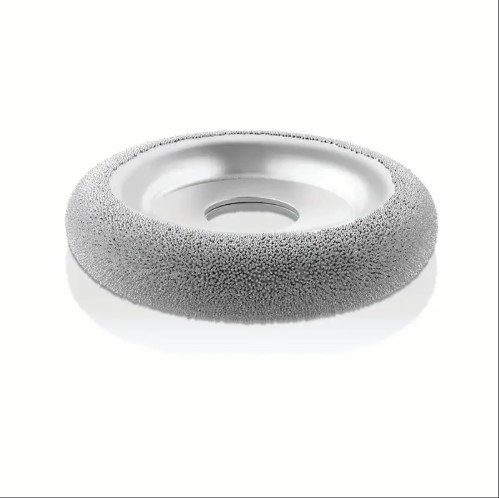
Carbide cutters are used for steel-belted radial tires where stronger materials must be removed. Wire brushes help clean debris and loose cords after buffing. Contour wheels and stones smooth the surface before cement application.
Using the correct accessory ensures efficiency and prevents casing damage. Matching grit and size to the job is just as important as choosing the right machine.
Applications in Tire Repair and Retreading
In standard puncture repairs, technicians use tire buffing for repair to clean the inner liner and prepare the area for a patch or combination unit. Proper texture allows repair cement to penetrate and form a chemical bond.
For section repairs or larger injuries, buffing shapes the cavity so fill material seats correctly. In retreading, large buffing machines remove worn tread rubber entirely, creating a consistent surface for new tread application.
Buffing also plays a role in cosmetic refinishing and sidewall repairs where surface preparation determines finish quality.
Safety and Best Practices
High-speed rotating tools demand strict safety procedures. Always wear eye protection, gloves, and hearing protection. Secure the tire firmly to prevent movement. Excess pressure during buffing can overheat rubber, leading to glazing or weakened structure.
Maintain moderate speed and let the tool do the work. Inspect rasps regularly for wear, as dull tools generate excess heat and uneven surfaces. Clean the buffed area thoroughly before applying repair materials.
Proper training and technique reduce both accidents and repair failures.
Maintenance of Equipment
Routine maintenance extends the life of tire buffing equipment. Lubricate pneumatic tools daily, inspect air lines for moisture, and replace worn bearings promptly. Electric models should be checked for brush wear and overheating.
Accessories like rasps and cutters must be replaced when dull. Storing equipment in a clean, dry environment prevents corrosion and ensures consistent performance.
Conclusion
Tire buffing is the foundation of every reliable tire repair or retread operation. From handheld buffers to industrial machines, the right tire buffing equipment ensures strong adhesion, consistent results, and improved shop productivity. Investing in quality tire buffing tools ultimately protects both the tire casing and your reputation for dependable service. Understanding tool types, proper techniques, and maintenance practices allows technicians to deliver safe, long-lasting repairs.
Tags : tire buffing equipment