The Ultimate Guide to Kitchen Fire Safety Systems: Protecting Homes, Rentals, and Communities
By Firebot suppression 23-05-2026 90
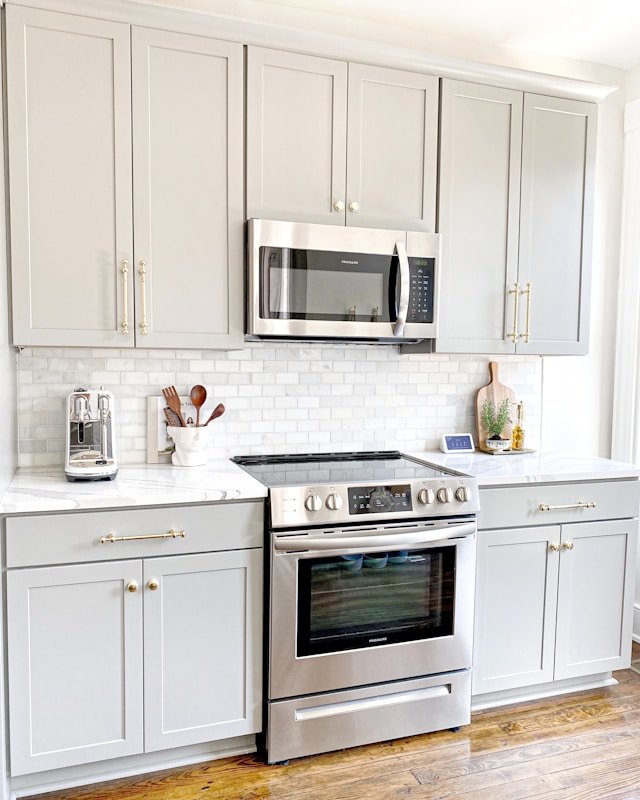
Every year, thousands of property owners learn a devastating statistic the hard way: the kitchen is the most dangerous room in any building. According to data from the National Fire Protection Association (NFPA), cooking equipment is the leading cause of residential structure fires and civilian fire injuries. In fact, approximately half of all home fires originate right on the stovetop.
What starts as a brief distraction—stepping away for just a second to answer a knock at the door or respond to a text message—can cause cooking oil or grease to hit its flashpoint. Within less than five minutes, a localized flash on a burner can erupt into a major crisis, climbing up into the cabinetry, overwhelming the ceiling, and tearing through the entire structure.
To combat this hazard, properties are moving away from outdated, manual tools and upgrading to automated technology. A modern kitchen fire safety system transitions your defense from simple, passive warning to active, intelligent, and immediate fire suppression.
1. The Critical Flaw in Traditional Fire Alarms and Extinguishers
For decades, the standard blueprint for home safety consisted of two components: a standard smoke alarm and a red, portable fire extinguisher. While these tools are essential, relying on them as your sole line of defense features a critical safety gap.
A smoke detector is fundamentally a passive device—it can only tell you that a fire is already destroying your kitchen. It cannot physically intervene.
On the other hand, a portable fire extinguisher is an active tool, but it is completely dependent on human presence and behavior. In an emergency, a human being must be home, remain perfectly calm, remember where the extinguisher is hidden, and operate the safety pin correctly under extreme psychological stress. If a fire breaks out while residents are asleep, away from the property, or if the occupant is a child, a senior citizen, or a panicked tenant, a manual response fails entirely.
2. What Exactly is an Automated Kitchen Fire Safety System?
An automated kitchen fire safety system is a compact, self-activating appliance designed to continuously monitor a cooking space, identify the unique thermal pattern of an out-of-control grease fire, and extinguish it at the source without requiring any human action.
Historically, these setups were restricted to commercial restaurants due to their bulk, high costs, and reliance on invasive piping. However, advanced safety engineering has successfully condensed commercial-grade performance into a sleek, unobtrusive design tailored for residential properties.
Modern units mount discreetly underneath standard range hoods, upper cabinets, or microwaves. They act as a silent, 24/7 digital guard, ready to deploy an eco-friendly suppressant agent the exact moment a thermal emergency is detected.
3. How Smart Sensors Prevent Disastrous False Alarms
A common concern regarding automated safety equipment is the fear of accidental triggers. No one wants an expensive mess because they accidentally burned a piece of toast or produced a cloud of steam while searing a steak.
To eliminate this issue, premium kitchen fire safety systems avoid simple smoke sensors altogether. Instead, they use continuous thermal mapping arrays backed by proprietary software algorithms.
The system tracks thousands of micro-temperature data points across the cooktop every second. It easily differentiates between safe, high-heat cooking actions and the rapid, volatile thermal curve unique to an escalating grease or oil fire.
4. Why Modern Liquid Suppressants Beat Corrosive Dry Powders
If a kitchen fire safety system does activate, the substance it releases matters immensely. Many old-school stovetop canisters rely on a dry chemical powder like sodium bicarbonate. While powder can choke out a flame, it introduces severe secondary consequences:
Respiratory Hazards: Inhaling heavy clouds of chemical dust can cause immediate respiratory distress to humans and family pets.
Corrosive Property Damage: A fine, abrasive powder settles over every square inch of the kitchen, migrating inside electronics, outlets, and HVAC vents. This often results in thousands of dollars in cleanup and appliance replacement costs.
Risk of Flare-Ups: Dry powder temporarily covers a flame but lacks the cooling capacity to lower the temperature of the oil beneath it. If the oil remains above its flashpoint, the fire can easily reignite once the powder cloud dissipates.
To solve this, premium systems use a specialized, non-toxic, and biodegradable liquid suppressant. This liquid solution works through three simultaneous actions: it smothers the flame to cut off oxygen, rapidly cools the underlying oil below its ignition point, and leaves a surfactant barrier to prevent re-flashing. Once the stove cools, cleanup requires nothing more than a household cloth and standard cleaner—leaving behind zero water damage or toxic dust.
5. Wireless IoT Connectivity: Staying Protected From Anywhere
The defining factor of a modern kitchen fire safety system is its integration with the internet-of-things (IoT). In our connected world, safety hardware shouldn't operate in isolation.
Advanced systems feature wireless and cellular gateways that bridge the gap between your physical kitchen and your digital devices. If the system detects a critical high-temperature event or activates to suppress an open flame, it immediately sends push alerts, text messages, or emails to a predetermined list of contacts.
For parents checking on busy teenagers, individuals caring for elderly relatives, or property managers overseeing multi-family housing complexes, this real-time visibility is invaluable. You are notified instantly of low-battery warnings, connection updates, or emergency deployments, ensuring you can coordinate with emergency services even if you are miles away from the property.
6. Streamlining Multi-Family Property Management and Reducing Liability
For real estate investors, property managers, and landlords, cooking fires represent a massive threat to passive income and business continuity. Multi-family complexes, student housing, and short-term rentals are statistically high-risk zones for unattended cooking. A single tenant's mistake can displace dozens of families and result in millions of dollars in structural damage.
Installing an automatic kitchen fire safety system protects your financial investments by making safety "tenant-proof." Because the device operates entirely independently, it eliminates the need for resident safety training.
Furthermore, many major insurance providers recognize the massive risk-mitigation value of certified, automatic fire suppression hardware. Upgrading your building's infrastructure can help lower your commercial liability insurance premiums, improve your property's overall compliance, and protect your long-term asset value.
Frequently Asked Questions (FAQs)
How does this system differ from a standard home water sprinkler?
Residential water sprinkler systems are designed to protect the overall structure of a building, and they typically deploy massive volumes of high-pressure water only after a fire has grown large enough to breach the ceiling. A kitchen fire safety system targets the specific stove area where the fire begins. It uses specialized liquid chemicals to put out grease fires safely and immediately, preventing building-wide water damage.
Will regular everyday cooking trigger a false deployment?
No. The integrated thermal tracking sensors are calibrated to follow heat patterns rather than smoke or steam. The device easily recognizes standard cooking behaviors—including high-heat searing—and will only deploy when it detects a rapid, extreme thermal spike that matches an out-of-control fire.
Is professional plumbing or electrical wiring required for installation?
No. High-quality residential systems are completely self-contained and run on an internal battery with a 10-year service life. They require no complex electrical hardwiring or plumbing hookups, and they can be securely mounted in minutes using simple brackets, drywall screws, or heavy-duty industrial adhesive.
Conclusion: Take Control of Your Kitchen's Safety
Fire moves with terrifying speed, but modern safety engineering moves faster. Waiting for a traditional smoke detector to sound means that toxic smoke is already spreading and structural damage is already underway. By integrating an automated, smart kitchen fire safety system into your property, you eliminate the threat at its absolute root before it can climb into your walls or threaten the lives of those inside.
Whether you are a homeowner seeking ultimate peace of mind, a caregiver protecting a vulnerable family member, or a landlord securing a valuable multi-family rental portfolio, proactive technology is the smartest investment you can make.
Don't leave your property's safety to chance. Discover how easy it is to safeguard your home with the industry's leading smart, automated defense technology. Explore your options today at FireBot Suppression Systems.
Tags : Firebot suppression kitchen