The Smarter Way to Set Up an Office in Bangalore Without the Usual Delays
By Katherine Martin 24-03-2026 126
Setting up a conventional office in Bangalore often involves far more than signing a lease. Businesses typically have to manage site selection, legal review, interior design, furniture procurement, internet setup, security, housekeeping, and day-to-day facility coordination before teams can start working. In a city known for its strong startup, SME, GCC, and enterprise ecosystem, those delays can slow hiring, increase overhead, and distract leadership from core business priorities. Bengaluru’s office market is also spread across multiple high-demand business corridors, so location decisions directly affect access to talent, commute convenience, and future scalability.
What a Smarter Office Model Looks Like
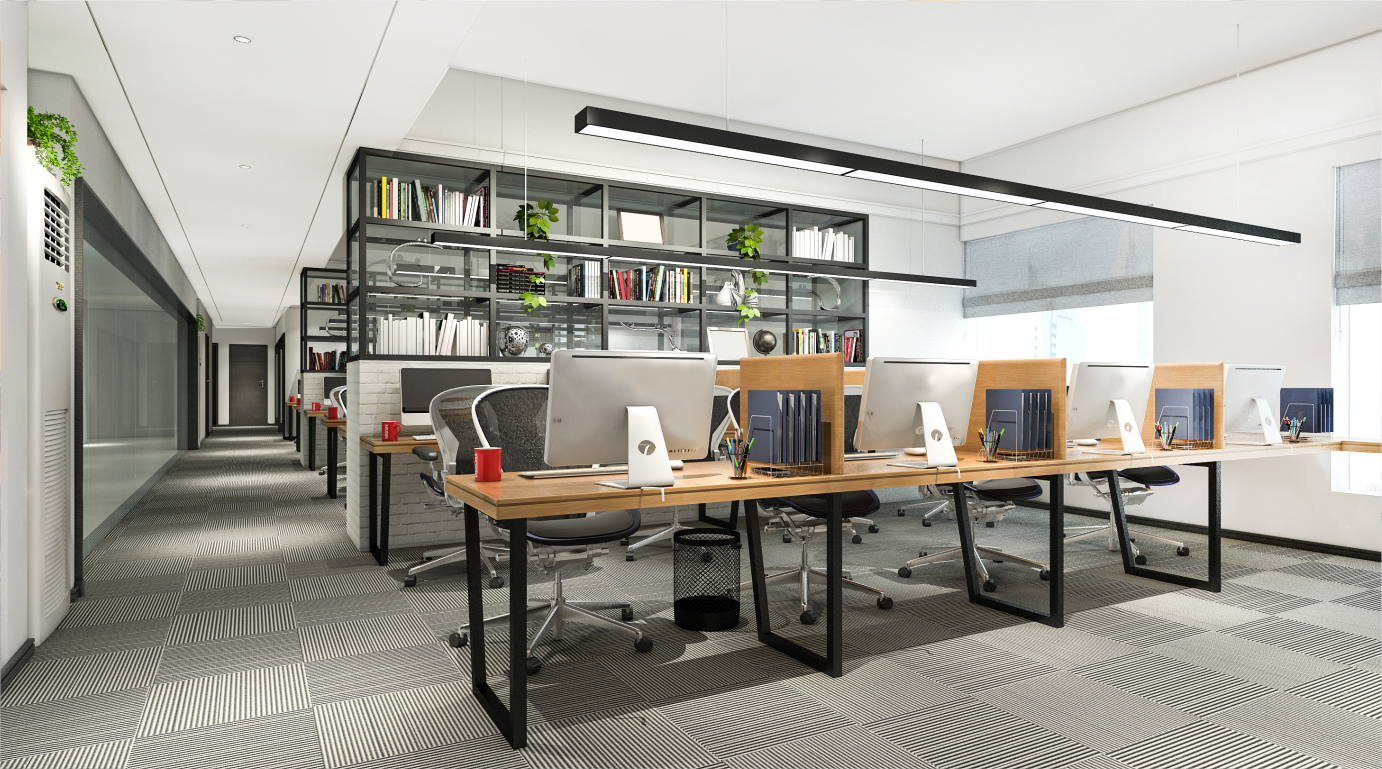
A faster and more practical alternative is to choose a workspace model that is already operational and professionally managed. Instead of building everything from scratch, companies move into ready-to-use environments that already include furnishings, internet, meeting rooms, pantry support, housekeeping, visitor management, and security. This removes the need to coordinate multiple vendors and shortens the path from decision-making to occupancy. The result is a simpler launch process, fewer hidden dependencies, and a more predictable operational structure.
Why Bangalore Businesses Are Choosing This Route
Bangalore’s business environment rewards speed. Companies expanding in technology, services, consulting, and support functions often need offices that can go live quickly and adapt as teams grow. Professionally managed workspaces are increasingly designed for that need, offering flexible layouts, scalable capacity, and operational support in established commercial zones. Many such locations are positioned in connected micro-markets including Hebbal, Brookefield, Yeshwanthpur, Rajajinagar, Varthur Road, and Old Madras Road, which helps businesses balance employee convenience with proximity to talent clusters and transport links.
How This Reduces Delays in Practice
The biggest time savings come from eliminating sequential setup work. In a traditional lease, one delay often triggers another: possession delays affect fit-outs, fit-outs affect IT installation, and IT installation affects the move-in date. A managed model compresses those steps because infrastructure and services are already integrated. Companies can focus on team planning, branding requirements, and operational readiness rather than basic workplace activation. For growing teams, this is especially useful because office capacity can often be adjusted without restarting the entire setup cycle. That is why many decision-makers now see managed office space in bangalore as a practical way to reduce friction, maintain flexibility, and get teams productive faster.
What to Evaluate Before You Decide
Speed should not come at the cost of quality. The right office should support daily productivity as well as long-term business credibility. Look for strong connectivity, access to major residential and business districts, reliable IT support, professional facilities management, ergonomic design, natural light, meeting infrastructure, and room to scale. It is also important to assess whether the space can be configured for your team’s way of working, whether that means private cabins, collaborative zones, or a more structured enterprise layout. On-the-ground services matter because they reduce the burden on internal admin and operations teams.
The Real Business Advantage
A smarter office setup is not only about speed; it is about focus. When infrastructure, utilities, and workplace management are handled in one place, leadership can spend less time solving operational problems and more time on hiring, client delivery, and growth. In a market as dynamic as Bangalore, that shift matters. The companies that set up efficiently are often the ones that scale with fewer disruptions, preserve momentum, and create a better day-one experience for employees. Choosing an office model built around readiness, flexibility, and service is often the difference between a delayed launch and a confident start.