The Science Behind Dance Footwear: How Shoes Influence Balance, Movement, and Injury Prevention
By aidadance01 09-06-2026 107
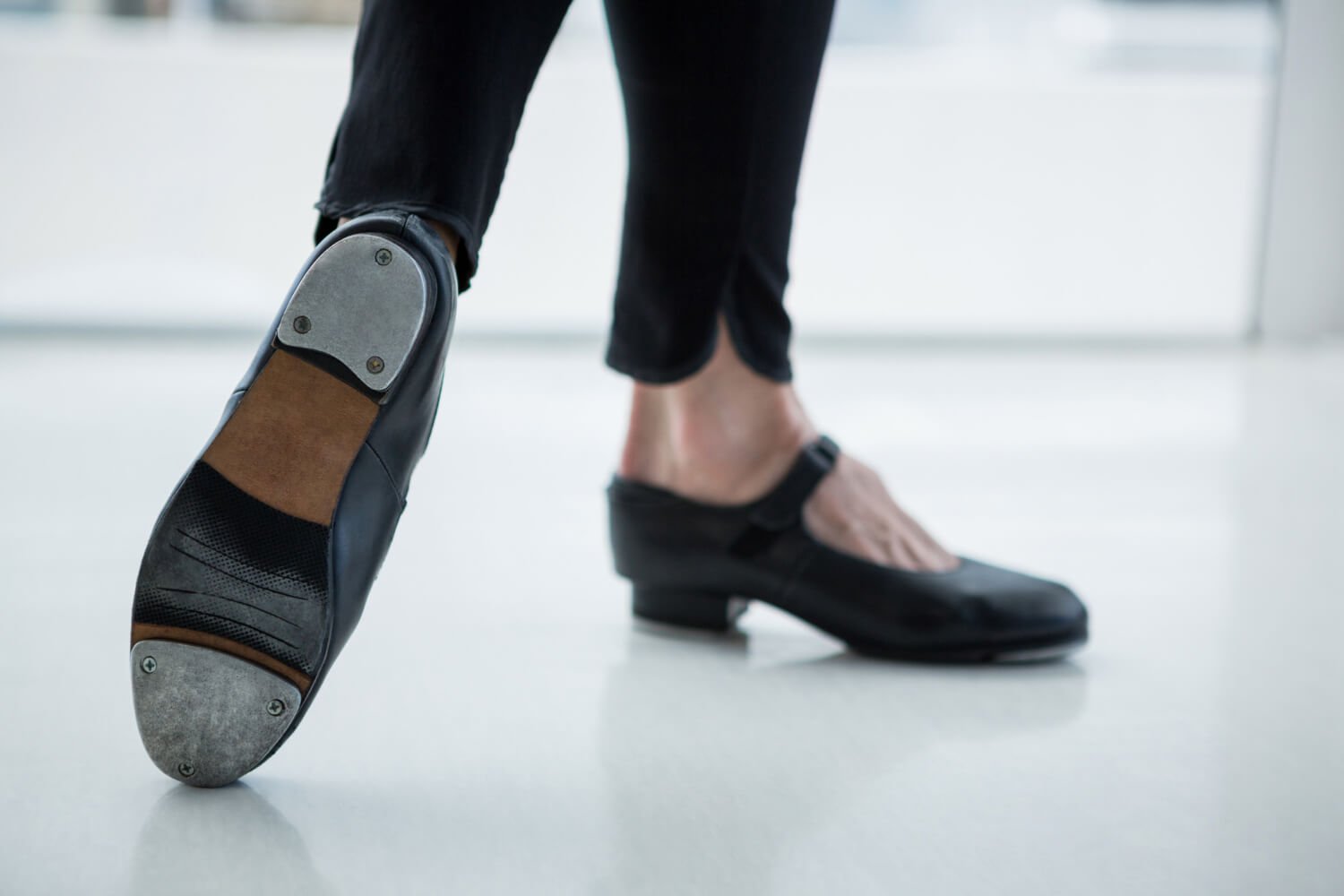
Dance is often described as an art form, but at its core, it is also applied physics, biomechanics, and human movement science. Every turn, step, and shift in weight is governed by how the body interacts with the floor, and one of the most important factors in that interaction is footwear.
For ballroom and Latin dancers, shoes are not just aesthetic accessories. They are precision-engineered tools that influence balance, control, movement efficiency, and even long-term physical health. Understanding the science behind dance footwear helps dancers make better choices, improve performance, and reduce the risk of injury.
Handcrafted footwear is designed with these principles in mind, combining structure, flexibility, and comfort to support dancers at every level.
Dance Footwear as a Biomechanical Tool
To understand how dance shoes affect performance, it is important to look at biomechanics, the study of how the body moves.
When a dancer moves, several forces are at work:
- Gravity pulls the body downward
- Ground reaction forces from the floor
- Muscle engagement for control and stability
- Rotational forces during spins and turns
Dance shoes act as the interface between the body and the floor, influencing how these forces are distributed.
A well-designed shoe helps:
- Stabilize joints during movement
- Control the friction between the foot and the floor
- Guide weight transfer smoothly
- Support alignment from the ankle to the spine
Poor footwear disrupts this balance, leading to inefficient movement and increased strain.
Balance: The Foundation of Every Movement
Balance in dance is not static; it is constantly changing as the body shifts weight, rotates, and transitions between steps.
How Shoes Improve Balance
Dance shoes influence balance through three key mechanisms:
1. Heel Placement and Center of Gravity
The position and height of the heel directly affect posture and weight distribution. A properly placed heel helps align the body over its center of gravity, making it easier to stay stable during movement.
- Lower heels increase stability for beginners
- Higher heels enhance posture and leg lines for advanced dancers
This is especially important in ballroom dance shoes, where smooth, controlled movement requires consistent balance through long, flowing steps.
2. Sole Design and Floor Interaction
Most professional dance shoes use suede soles because they provide controlled friction.
This allows dancers to:
- Maintain grip without sticking
- Pivot smoothly during turns
- Control stopping and starting movements
Too much friction causes strain and restricts movement. Too little leads to slipping. Suede soles create the ideal middle ground.
3. Weight Distribution Across the Foot
Proper dance shoes distribute weight evenly across the foot, reducing pressure on specific joints such as the toes or heels. This helps maintain balance during complex movements like spins or quick directional changes.
Movement Efficiency: How Shoes Shape Motion
Movement efficiency refers to how smoothly and effectively a dancer can transfer energy through the body.
Flexibility and Range of Motion
Dance shoes are designed to support natural foot articulation, especially in the forefoot and arch.
This flexibility allows:
- Better pointing of the toes
- Cleaner lines in the Latin movement
- Faster directional changes
- Improved responsiveness to choreography
In contrast, rigid shoes can block natural movement and reduce expressive quality.
Lightweight Construction
Every unnecessary gram in a shoe increases fatigue over time. That is why dance footwear is designed to be lightweight.
Light shoes help dancers:
- Move faster with less effort
- Maintain energy during long performances
- Reduce strain on lower limbs
This is particularly important in Latin styles, where speed and agility are essential.
Injury Prevention: The Hidden Science of Dance Shoes
One of the most important roles of dance footwear is injury prevention. Dance is physically demanding, and without proper support, dancers are at risk of long-term strain.
Common Injuries Linked to Poor Footwear
- Ankle sprains
- Metatarsal stress injuries
- Knee misalignment
- Plantar fasciitis
- Lower back strain
Proper footwear significantly reduces these risks.
Arch Support and Alignment
The arch of the foot plays a crucial role in absorbing shock and maintaining alignment. Good comfort dance shoes provide structured arch support, helping distribute pressure evenly across the foot.
This improves:
- Posture stability
- Shock absorption during jumps and steps
- Overall alignment from feet to spine
Cushioning and Shock Absorption
Dance involves constant impact, especially during rehearsals and competitions. Cushioning in the insole helps reduce stress on joints.
Benefits include:
- Reduced foot fatigue
- Less strain on knees and hips
- Increased endurance during long sessions
Heel Stability and Joint Protection
A poorly designed heel can cause instability, leading to ankle injuries. Proper dance shoes feature reinforced heel structures that support safe weight transfer and controlled movement.
The Role of Comfort in Performance
Comfort is not just about feeling good; it directly affects performance quality.
When dancers experience discomfort, they often:
- Alter their movement patterns
- Lose focus on technique
- Fatigue faster
- Compromise posture and alignment
High-quality comfort dance shoes allow dancers to focus entirely on expression, rhythm, and precision rather than physical discomfort.
Differences Between Ballroom and Latin Shoe Mechanics
Although both styles share foundational principles, their footwear is designed differently.
Ballroom Dance Shoes
- Emphasize stability and glide
- Support upright posture
- Designed for smooth, continuous movement
- Often feature lower or balanced heels
These shoes are essential for controlled movement in dances like Waltz, Foxtrot, and Tango.
Latin Dance Shoes
- Emphasize flexibility and speed
- Designed for sharp turns and foot articulation
- Often feature higher heels for enhanced lines
- Lightweight construction for agility
These shoes support dynamic movement in Salsa, Cha-Cha, Rumba, and Samba.
How Shoes Influence Confidence and Performance Psychology
Beyond physical effects, dance shoes also influence mental performance.
When dancers feel stable and supported, they experience:
- Greater confidence on stage
- Reduced performance anxiety
- Improved focus on musicality
- Stronger emotional expression
Footwear becomes part of the dancer’s psychological preparation.
Choosing the Right Dance Shoes
Selecting the right shoes involves considering:
- Dance style (ballroom or Latin)
- Heel height and structure
- Sole material
- Flexibility requirements
- Comfort and fit
Handcrafted designs are built with these principles in mind, ensuring dancers receive footwear that supports both technical and artistic performance.
Final Thoughts
Dance footwear is a sophisticated blend of biomechanics, material science, and artistic design. It influences everything from balance and movement efficiency to injury prevention and psychological confidence.
Understanding the science behind shoes allows dancers to make smarter choices and elevate their performance safely and effectively.
Whether performing in elegant ballroom dance shoes or relying on supportive comfort dance shoes for training, the right footwear is essential for long-term success in dance.
With thoughtfully engineered, handcrafted shoes, dancers can move with greater control, reduced risk of injury, and enhanced expressive freedom, turning every step into a precise and confident performance.
Tags : comfort dance shoes