The Role of Automated Access Systems in Smart City Traffic Management
By flap barrier 27-05-2026 277
Traffic Pressure No Longer Stays Limited to Roads
Traffic congestion inside modern cities no longer develops only at highways or intersections.
Pressure now builds around commercial corridors, parking structures, logistics access lanes, transport hubs, and restricted-entry zones. During peak operational periods, even a small disruption near one access point can quickly spread into surrounding infrastructure areas.
This is becoming increasingly common in cities managing mixed commuter and logistics traffic simultaneously.
The challenge is no longer just moving vehicles. It is maintaining coordinated movement across highly active urban environments where traffic conditions can shift dramatically within minutes.
Why Traditional Traffic Coordination Struggles in Dense City Environments
Many urban traffic systems still rely on fragmented coordination methods designed for slower and less connected infrastructure models.
That approach becomes difficult to sustain when cities experience:
- Commercial corridor congestion during peak activity periods
- Parking overflow near transit hubs
- Delivery lane conflicts in mixed-use districts
- Sudden traffic surges around access-controlled zones
In many cases, localized congestion spreads faster than traffic-control systems can respond.
The problem is not always road capacity alone. Often, it is the lack of real-time coordination between operational zones.
What Cities Often Get Wrong About Traffic Infrastructure
One common mistake in urban planning is treating access systems as isolated traffic-control tools instead of part of a larger operational ecosystem.
Cities frequently focus on:
- Road expansion
- Signal timing optimization
- Parking availability
while underestimating the impact of coordinated access infrastructure.
Without connected operational visibility:
- Vehicle queues become unpredictable
- Traffic pressure shifts unevenly across districts
- Restricted-access areas create bottlenecks during peak movement periods
As urban activity increases, fragmented coordination becomes harder to manage manually.
Operational Comparison: Coordinated vs Fragmented Traffic Infrastructure
The difference becomes more noticeable in high-density commercial and transit areas.
How Automated Access Systems Improve Urban Mobility
Automated access infrastructure helps regulate vehicle movement dynamically across controlled traffic environments.
Instead of relying heavily on manual intervention, these systems improve how traffic is distributed and managed across operational zones.
This supports:
- Faster vehicle processing at controlled access points
- Better balancing of traffic between high-density areas
- Reduced congestion build-up near commercial facilities
- Improved response during peak traffic surges
The benefit is not simply automation.
It is the ability to maintain smoother operational flow across highly active infrastructure environments.
Where Smart Access Infrastructure Fits Into Smart Cities
Smart city operations increasingly depend on infrastructure systems capable of sharing real-time traffic information across multiple operational layers.
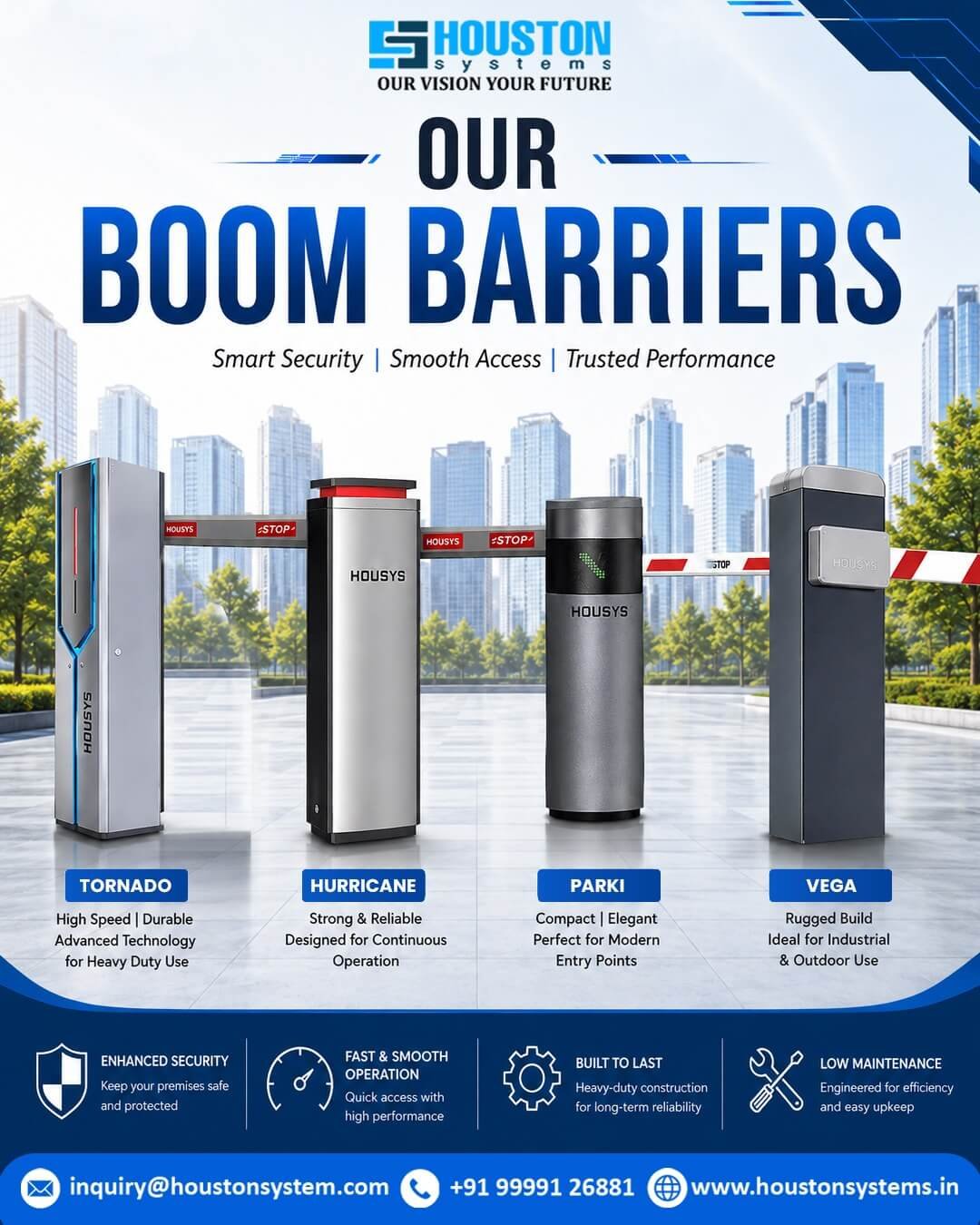
A major part of this ecosystem is the use of automated boom barrier systems for smart city traffic coordination, which help regulate vehicle access while improving centralized traffic visibility.
These systems contribute to:
- Better traffic balancing near commercial zones
- Improved coordination around transport hubs
- Faster management of restricted vehicle access
- More stable traffic flow across controlled operational areas
Instead of functioning as standalone hardware, modern access systems now support broader city-scale operational coordination.
Mini Scenario: Traffic Pressure Around a Commercial Transit Corridor
Consider a high-activity district connected to:
- a public transit hub
- commercial parking facilities
- delivery access corridors
- restricted service lanes
During peak operational periods:
- commuter traffic overlaps with logistics activity
- delivery vehicles compete for limited operational space
- parking overflow affects nearby road movement
Without connected access coordination:
- congestion spreads unevenly across nearby zones
- operators respond only after queues become severe
- vehicle movement becomes increasingly unpredictable
After implementing automated access systems integrated with centralized monitoring infrastructure:
- traffic distribution became easier to balance
- congestion near access-controlled zones reduced significantly
- operational visibility improved across the district
- response time during traffic surges improved substantially
The improvement came from coordinated infrastructure awareness rather than isolated traffic-control measures.
Why Real-Time Visibility Matters in Urban Operations
Traffic conditions inside dense urban areas rarely remain stable for long.
A commercial zone may experience sudden delivery surges. A parking structure near a transit station may reach capacity unexpectedly. Restricted-access lanes can become overloaded within minutes during peak operational windows.
Without real-time visibility, infrastructure teams often respond too late to prevent operational disruption.
Connected access systems help operators:
- Detect traffic pressure developing early
- Coordinate movement between operational zones
- Improve response during congestion build-up
- Monitor infrastructure activity continuously
This level of visibility becomes increasingly important as city environments become more operationally interconnected.
Smart Cities Require More Than Isolated Traffic Control
Future urban mobility depends less on isolated systems and more on connected operational coordination.
Cities expanding commercial activity, public transport access, and logistics infrastructure require systems capable of adapting dynamically to changing traffic conditions.
This includes:
- real-time infrastructure visibility
- automated traffic coordination
- cross-zone operational communication
- scalable infrastructure management
Access systems are increasingly becoming part of broader urban operational ecosystems rather than simple entry-control mechanisms.
Conclusion
Urban traffic management is evolving far beyond traditional congestion-control strategies.
Cities now require infrastructure capable of coordinating movement dynamically across commercial zones, transit corridors, parking environments, and controlled-access areas simultaneously.
Automated access systems help support this transition by improving operational visibility, balancing vehicle movement, and increasing infrastructure responsiveness in high-density urban environments.
As cities continue modernizing, connected access infrastructure is becoming less of an optional upgrade—and more of a critical component of long-term urban mobility planning.
Tags : smart city traffic management urban access infrastructure connected mobility systems intelligent traffic coordination urban vehicle flow management real-time mobility infrastructure automated traffic access systems commercial corridor traffic control smart urban mobility solutions connected city infrastructure