The Process of Injured Skin to Restore Itself to Its Normal Thickness: A Complete Guide
By triage meditech 20-02-2026 156
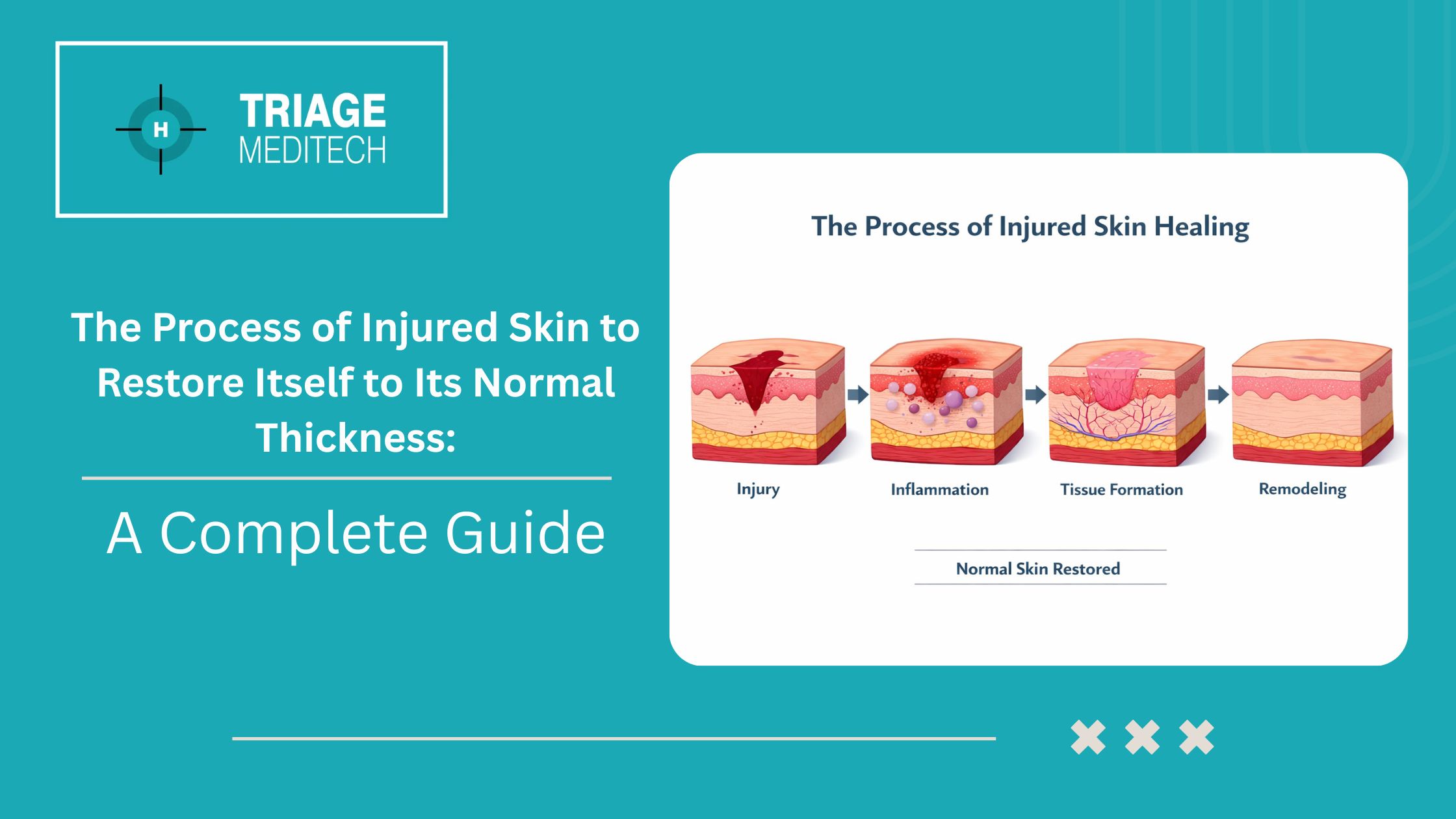
The human body has an extraordinary ability to repair itself after injury. One of the most fascinating examples is the process of injured skin to restore itself to its normal thickness, commonly known as skin healing. Whether caused by cuts, burns, surgical procedures, or abrasions, skin injuries trigger a highly organized biological response designed to protect the body and rebuild damaged tissue.
Understanding this process can help individuals take better care of wounds, prevent complications, and support faster recovery. In this comprehensive guide, we explore how injured skin heals, the stages involved, factors affecting recovery, and practical tips to promote healthy skin restoration.
What Happens When Skin Gets Injured?
When skin is damaged, the body immediately activates defense and repair mechanisms. The primary goal is to stop bleeding, prevent infection, and rebuild the skin structure.
Skin healing involves multiple cell types, growth factors, and structural proteins working together. This coordinated activity allows the injured area to gradually regain strength, elasticity, and thickness.
Stages in the Process of Injured Skin to Restore Itself to Its Normal Thickness
Skin healing occurs in a sequence of overlapping phases. Each stage plays a critical role in restoring the skin barrier.
1. Hemostasis Phase – Immediate Response
The healing process begins within minutes of injury.
Key events include:
Blood vessels constrict to reduce bleeding
Platelets form a clot to seal the wound
Protective barriers develop to block harmful microbes
This stage provides the foundation for tissue repair and prepares the wound for subsequent healing phases.
2. Inflammatory Phase – Cleaning and Protection
During the inflammatory stage, the body removes damaged tissue and potential contaminants.
Characteristics of this stage:
Mild redness and swelling
Increased blood flow to the area
Immune cells clearing debris and microbes
Although inflammation may appear concerning, it is a necessary step that ensures proper wound preparation for regeneration.
3. Proliferative Phase – Tissue Formation
The proliferative phase is central to the process of injured skin to restore itself to its normal thickness.
Important processes include:
Formation of new blood vessels
Production of collagen and extracellular matrix
Development of granulation tissue
Migration of skin cells across the wound surface
This stage gradually fills the wound and begins rebuilding the skin layer.
4. Remodeling Phase – Strengthening and Maturation
The final phase focuses on improving tissue quality and strength.
Key changes during remodeling:
Collagen fibers reorganize
Tissue gains flexibility and durability
Scar tissue gradually softens
Skin thickness improves over time
Remodeling may continue for months, depending on injury severity and individual health.
Factors That Influence Skin Healing
Several internal and external factors can affect how effectively injured skin returns to normal thickness.
Biological Factors
Age and overall health
Nutritional status
Circulation quality
Immune system function
Environmental and Care Factors
Proper wound hygiene
Moisture balance
Protection from repeated trauma
Medical conditions affecting recovery
Understanding these factors helps individuals identify barriers to healing and adopt supportive care strategies.
How Scar Formation Relates to Skin Thickness Restoration
Scar formation is a natural outcome of deep skin injuries. While scars protect the body and maintain structural integrity, they may differ from normal skin in appearance and texture.
In many cases, scars gradually become thinner and more flexible as remodeling continues. With appropriate care, the skin may closely approximate its original thickness, although complete restoration depends on injury depth and healing conditions.
Tips to Support Healthy Skin Restoration
Promoting optimal healing requires consistent care and attention.
Maintain Proper Wound Care
Clean the wound gently
Follow recommended dressing protocols
Avoid unnecessary disturbance of healing tissue
Ensure Adequate Nutrition
Nutrients play a vital role in tissue regeneration.
Important nutrients include:
Protein for tissue repair
Vitamin C for collagen synthesis
Zinc for cellular growth
Adequate hydration for skin elasticity
Protect the Healing Area
Minimize pressure or friction
Use protective coverings when needed
Avoid exposure to harmful environmental elements
Seek Professional Guidance When Needed
Persistent wounds, excessive swelling, or delayed healing should be evaluated by healthcare professionals to prevent complications.
Why Understanding Skin Healing Matters
Learning about the process of injured skin to restore itself to its normal thickness empowers individuals to:
Recognize normal healing patterns
Identify warning signs of delayed recovery
Practice effective wound management
Improve overall skin health awareness
Education plays a key role in preventing avoidable complications and promoting better outcomes.
Conclusion
The process of injured skin to restore itself to its normal thickness is a remarkable biological journey involving coordinated cellular activity, structural rebuilding, and gradual tissue strengthening. From immediate clot formation to long-term remodeling, each stage contributes to restoring the skin’s protective function and structural integrity.
While minor injuries often heal efficiently, proper care, nutrition, and protection significantly enhance recovery quality. By understanding how skin heals and supporting the body’s natural repair mechanisms, individuals can promote healthier tissue regeneration and improve long-term skin resilience.