The New Standard of Care: Why Robotic Assistance is the Future of Knee Health
By Dr. Atul Mishra 04-05-2026 49
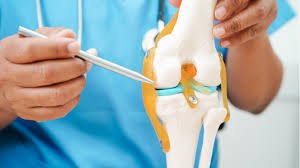
For many years, the prevailing method for treating severe knee arthritis involved traditional manual replacement techniques. While these techniques have generally proven effective, the outcomes could significantly fluctuate based on the surgeon's ability to align the implant correctly. The lack of a consistent, objective standard for alignment often led to varied results among patients, leaving some dissatisfied with their post-surgery mobility. However, we are now witnessing a substantial shift towards a more data-driven and technology-enhanced approach to knee surgery. For individuals suffering from debilitating bone-on-bone friction and persistent inflammation in the knee, it is crucial to explore how advancements in surgical technology have markedly improved patient outcomes, enabling them to make well-informed decisions regarding their treatment options.
The introduction of robotic knee replacement surgery has revolutionized patient expectations surrounding recovery and rehabilitation. One of the most significant advantages of this innovative technique is its ability to personalize surgical procedures according to each patient’s unique anatomical structure. Unlike the conventional approach, which often employs a "one size fits all" methodology that rarely yields optimal results, robotic-assisted surgery allows for a tailored surgical experience. In this process, the surgeon leverages state-of-the-art specialized software to generate a detailed digital model of the patient's knee. This digital representation enables the surgeon to balance the knee's ligaments with remarkable precision, ensuring that it feels stable and functional throughout its full range of motion, whether in full extension or during deep flexion activities.
In Delhi, seeking robotic knee replacement surgery gives patients access to advanced healthcare that aligns with global standards of medical excellence. The city has emerged as a medical hub where numerous cutting-edge hospitals are utilizing robotic systems to enhance surgical accuracy and minimize the margin for error during procedures. Many patients express that their knees feel “more like their own” as opposed to a mechanical substitute, a benefit attributable in large part to the ability of the robotic system to preserve as much healthy bone and ligament as possible. This preservation represents a significant advancement over older, more invasive surgical techniques, resulting in more natural functionality post-surgery.
Of course, the efficacy of the robotic technology is inherently linked to the surgeon's expertise in utilizing it. Therefore, finding a skilled and experienced knee replacement surgeon in Delhi is a critical step in the process. An accomplished surgeon, particularly one who has successfully performed thousands of these procedures, possesses the knowledge necessary to interpret the data provided by the robotic system effectively. They are equipped to make real-time adjustments during surgery, a practice that emphasizes the importance of precision in achieving the ideal alignment of the implant. This attention to detail directly correlates with the longevity of the implant and greatly enhances the overall comfort and satisfaction for the patient in the long term.
Investing in your mobility today can significantly reduce the likelihood of enduring years of future discomfort and limitation. By opting for a treatment path that prioritizes precision and harnesses modern innovation, you are not merely repairing a joint; you are actively working to restore your ability to move freely, participate in everyday activities, and enjoy life to its fullest.
FAQ
1) Will I have a large scar from a robotic procedure?
Answer: Robotic systems typically facilitate smaller and more precise incisions. While a scar will inevitably be present, the minimally invasive nature of this approach generally leads to improved cosmetic outcomes and quicker healing of the skin, resulting in less visible scarring over time.
2) Does robotic surgery cost significantly more?
Answer: Although the initial costs associated with robotic surgery may be slightly higher due to the advanced technology utilized, many patients find this investment to be more cost-effective over time. This efficiency often manifests in fewer revision surgeries, shorter hospital stays, and enhanced overall patient satisfaction.
3) Can anyone undergo a robotic knee procedure?
Answer: Most individuals who qualify for traditional knee replacement surgery are also suitable candidates for a robotic procedure. A thorough consultation, which includes in-depth imaging and a review of your medical history, will help determine if this specific technology aligns well with your anatomical needs and overall health condition.
Tags : .....