The Modern Jewelry Buyer’s Guide: Trends, Quality, and Smart Shopping Tips
By kayohaf 20-04-2026 153
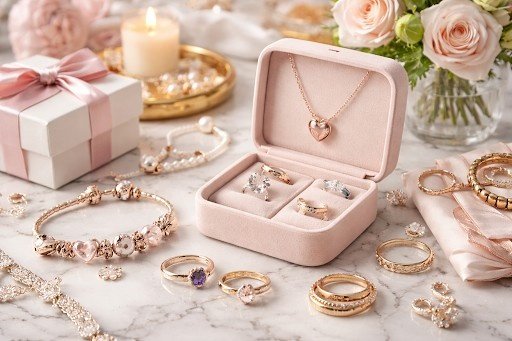
Jewelry has long been more than just decoration—it’s a form of self-expression, a symbol of status, and often a meaningful keepsake tied to life’s most important moments. From engagement rings to everyday accessories, the jewelry market has evolved dramatically in recent years, influenced by changing consumer preferences, sustainability concerns, and technological innovation. For today’s buyers, understanding how to navigate this diverse landscape is essential for making informed and satisfying purchases.
The Evolution of Jewelry in the Modern Era
Traditionally, jewelry was associated with luxury and exclusivity, often reserved for special occasions. Today, however, it has become more accessible and versatile. Consumers are now looking for pieces that fit seamlessly into their daily lives, blending style with practicality.
Minimalist designs, stackable rings, and personalized items have surged in popularity. At the same time, bold statement pieces continue to hold their appeal, offering a way to stand out and make a unique impression. This balance between subtlety and individuality defines modern jewelry trends.
Another significant shift is the rise of ethical and sustainable jewelry. Buyers are increasingly concerned about the origins of materials, opting for brands that prioritize responsible sourcing and environmentally friendly practices.
Understanding Jewelry Materials and Quality
One of the most important aspects of purchasing jewelry is understanding the materials used and how they affect quality, durability, and value.
Precious Metals
Gold, silver, and platinum remain the most popular choices. Each has its own characteristics:
- Gold: Available in various karats, with higher karat gold containing more pure gold but being softer.
- Silver: Affordable and versatile but requires regular maintenance to prevent tarnishing.
- Platinum: Highly durable and naturally hypoallergenic, making it ideal for long-term wear.
Gemstones
Gemstones add color and personality to jewelry. While diamonds are traditionally the most sought-after, colored gemstones such as sapphires, emeralds, and rubies are gaining popularity. Lab-grown stones are also becoming a preferred option due to their affordability and ethical appeal.
Craftsmanship
Beyond materials, craftsmanship plays a crucial role in determining a piece’s quality. Look for smooth finishes, secure settings, and attention to detail. High-quality craftsmanship ensures that jewelry not only looks beautiful but also stands the test of time.
Choosing Jewelry That Matches Your Style
Selecting jewelry is a deeply personal process. While trends can provide inspiration, the best pieces are those that reflect your individual taste and lifestyle.
- Everyday Wear: Opt for durable, lightweight pieces that can withstand daily activities.
- Special Occasions: Choose bold or intricate designs that make a statement.
- Work Settings: Subtle and elegant pieces often work best in professional environments.
Layering and mixing different styles is also a growing trend, allowing wearers to create unique combinations that evolve over time.
Smart Shopping Tips for Jewelry Buyers
Making a jewelry purchase can be a significant investment, so it’s important to approach it thoughtfully. Here are some practical tips to guide your decision:
1. Set a Budget
Before you start shopping, determine how much you’re willing to spend. This helps narrow down your options and prevents overspending.
2. Research Brands and Retailers
Look for reputable sellers with positive reviews and transparent policies. Trusted brands often provide better quality assurance and customer support.
3. Check Certifications
For high-value items, especially diamonds, ensure that they come with proper certification from recognized gemological institutes.
4. Understand Return Policies
A flexible return policy provides peace of mind, especially when buying online.
5. Compare Prices
Don’t settle for the first option you find. Comparing prices across different retailers can help you identify the best value for your money.
The Role of Branding in Jewelry Choices
Branding plays a significant role in the jewelry industry, influencing consumer perceptions and purchasing decisions. Well-known brands often command higher prices due to their reputation, design, and marketing.
For example, collections from Pandora have gained global recognition for their customizable charm bracelets and contemporary designs. Their approach allows customers to create personalized pieces that tell a story, making them particularly appealing to younger audiences seeking meaningful accessories.
However, it’s important to remember that brand recognition should not be the sole factor in your decision. Focus on quality, design, and how well the piece aligns with your personal preferences.
Caring for Your Jewelry
Proper care is essential to maintain the beauty and longevity of your jewelry. Different materials require different maintenance routines:
- Gold and Platinum: Clean with mild soap and water, and store separately to avoid scratches.
- Silver: Use anti-tarnish cloths and store in a dry environment.
- Gemstones: Avoid exposure to harsh chemicals and extreme temperatures.
Regular cleaning and professional inspections can help identify potential issues early, ensuring that your jewelry remains in excellent condition.
The Rise of Online Jewelry Shopping
E-commerce has transformed the way people buy jewelry. Online platforms offer a wider selection, competitive pricing, and the convenience of shopping from home. Virtual try-on tools and detailed product descriptions have made it easier for consumers to make confident decisions.
However, online shopping also comes with risks. Always verify the authenticity of the seller and look for secure payment options. Reading customer reviews and checking return policies can further reduce potential issues.
Jewelry as an Investment
While jewelry is often purchased for its aesthetic and emotional value, it can also serve as an investment. High-quality pieces made from precious metals and rare gemstones tend to retain or even increase in value over time.
That said, not all jewelry qualifies as an investment. Fashion jewelry and trend-driven pieces may lose value quickly. If investment is your goal, focus on timeless designs and high-quality materials.
Future Trends in the Jewelry Industry
Looking ahead, several trends are likely to shape the future of jewelry:
- Sustainability: Continued emphasis on ethical sourcing and eco-friendly practices.
- Technology Integration: Smart jewelry with health tracking and connectivity features.
- Customization: Increased demand for personalized and made-to-order pieces.
- Gender-Neutral Designs: Expanding options that cater to diverse identities and preferences.
These trends reflect a broader shift toward individuality, responsibility, and innovation in the jewelry market.
Final Thoughts
Jewelry is a powerful form of self-expression that combines artistry, craftsmanship, and personal meaning. By understanding materials, staying informed about trends, and making thoughtful purchasing decisions, buyers can find pieces that truly resonate with them.
Whether you’re building a collection, searching for the perfect gift, or investing in a timeless piece, taking the time to research and choose wisely ensures that your jewelry will remain a cherished part of your life for years to come.