The Modern Architect: Designing Workplaces That Actually Work
By SLA Consultants India 15-05-2026 88
For decades, the "office" was a static concept. It was a grid of cubicles, a breakroom with a questionable coffee pot, and a fluorescent-lit landscape where productivity was measured by "butts in seats." But the world has shifted. We’ve moved from the Industrial Age mindset of laborers-at-stations to a Knowledge Economy where the most valuable currency is creativity, collaboration, and mental well-being.
Today’s workplace isn't just a physical location; it’s a tool. When designed correctly, it acts as a silent partner in a company’s success. When designed poorly, it’s a friction point that drives talent out the door. The modern architect of the workplace isn't just an interior designer—they are a strategist, a psychologist, and a technologist rolled into one.
1. The Death of "One Size Fits All"
The biggest mistake of 20th-century office design was the assumption that everyone works the same way. We now know that humans are neurodiverse. An extroverted sales manager might thrive in a buzzy, open-plan environment, while a software developer or a technical writer might need "deep work" zones free from visual and auditory distractions.
Activity-Based Working (ABW) has emerged as the gold standard. Instead of assigning a single desk to an employee, the office is divided into "neighborhoods" designed for specific tasks:
The Library: Silent zones for high-concentration tasks.
The Hub: Social areas for spontaneous "water cooler" moments.
The War Room: Collaborative spaces equipped with whiteboards and tech for intensive brainstorming.
By giving employees the agency to choose where they work based on what they are doing, companies see a direct correlation in job satisfaction.
2. Biophilia: Bringing the Outside In
We aren't evolved to spend 9 hours a day under flickering LEDs. The "Modern Architect" understands Biophilic Design—the practice of integrating nature into the built environment. This goes beyond placing a succulent on a desk. It involves:
Natural Light Optimization: Maximizing window access to regulate circadian rhythms.
Living Walls: Using plants to improve air quality and reduce ambient noise.
Natural Materials: Using wood, stone, and water features to lower cortisol (stress hormone) levels.
Research consistently shows that offices with natural elements report a 15% higher level of well-being and a 6% increase in productivity. It turns out, looking at a tree actually helps you crunch those spreadsheets faster.
3. The Digital-Physical Bridge
In the era of hybrid work, the workplace must be "phygital." There is nothing more frustrating than sitting in a beautiful office only to spend four hours on Zoom calls with colleagues who are at home.
The modern workplace must be designed for Equity of Presence. This means meeting rooms are no longer just a table and chairs; they are studios. 360-degree cameras, high-fidelity spatial audio, and digital whiteboards ensure that the person calling in from their kitchen feels just as "in the room" as the CEO sitting at the head of the table. If the tech is clunky, the design has failed.
4. The Role of HR in Spatial Strategy
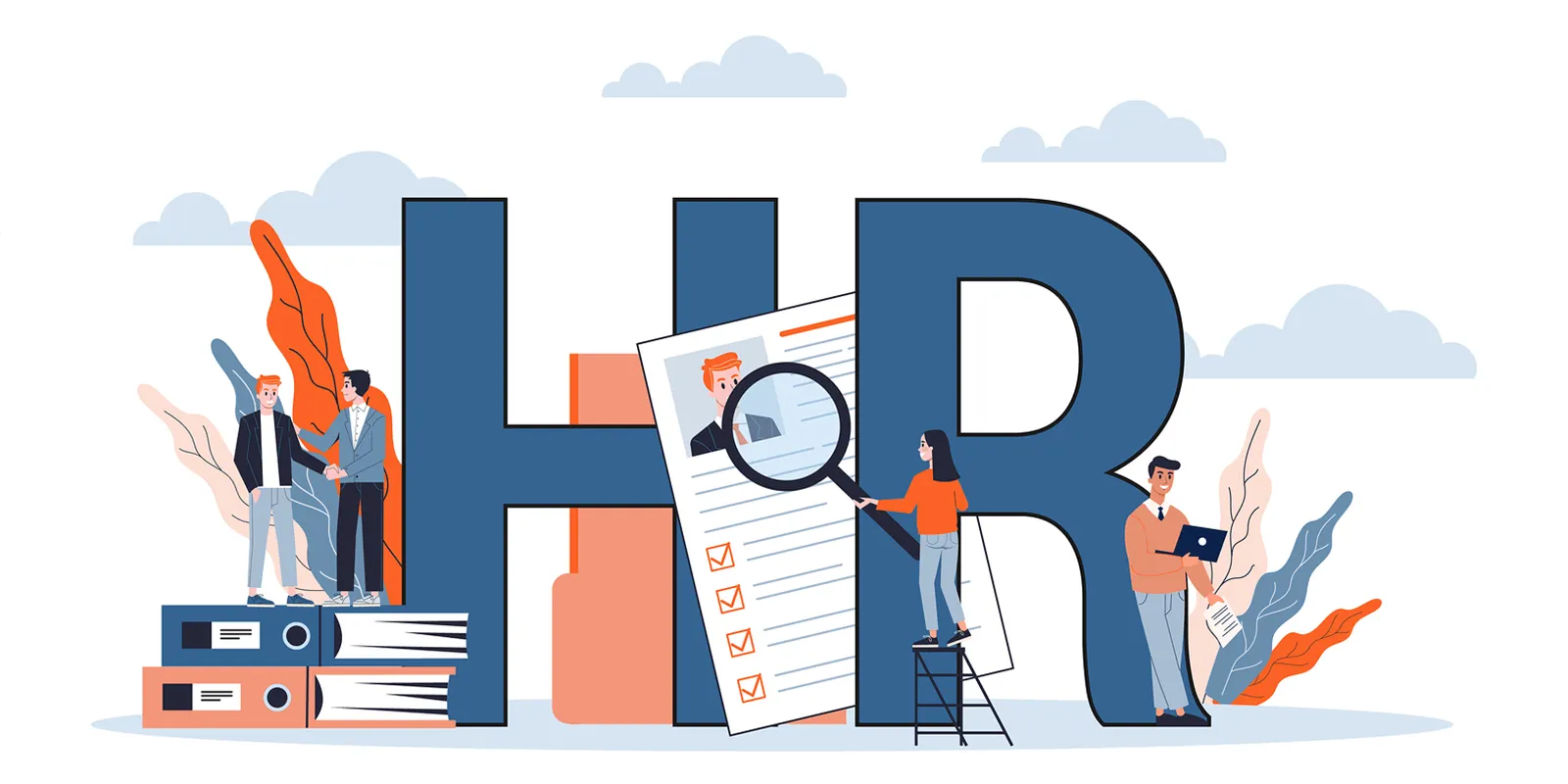
Building a great workplace isn't just about the floor plan; it’s about the culture that inhabits it. This is where the bridge between physical space and human capital becomes vital. Architects can build the "stage," but HR professionals direct the "play."
Understanding how people interact within a space is a core competency for modern management. For those looking to master the nuances of employee engagement, talent retention, and organizational behavior, enrolling in a comprehensive HR Course can provide the necessary toolkit. These programs teach leaders how to align the physical environment with the company's mission, ensuring that "the office" is a place people want to be, rather than a place they have to be. 5. Designing for "Serendipity"
One of the greatest losses of the remote-work era was the "accidental" meeting. Innovations rarely happen in scheduled 30-minute calendar blocks; they happen when the Head of Marketing bumps into a Junior Engineer while waiting for the elevator.
Modern architects design for collision points. By strategically placing high-traffic amenities—like the coffee bar, the mailroom, or the main staircase—in central areas, they force cross-departmental interaction. These "productive frictions" are the breeding ground for new ideas that would never have surfaced in a siloed, remote environment.
6. Mental Health as a Blueprint Requirement
Post-2020, the conversation around mental health has moved from the HR manual to the architectural blueprint. We are seeing a rise in:
Respite Rooms: Small, low-sensory spaces for prayer, meditation, or simply five minutes of silence.
Ergonomic Equity: Sit-stand desks and movement-based workstations are no longer "perks"; they are health requirements.
Acoustic Privacy: Soundproofing is the new luxury. High-quality acoustic panels allow for privacy without the need for soul-crushing walls.
7. Sustainability: The Moral Workplace
The modern worker—particularly Gen Z and Millennials—wants to work for a company that reflects their values. A workplace that "actually works" must also work for the planet.
Adaptive reuse (turning old warehouses into offices), energy-efficient HVAC systems, and zero-waste cafeterias are no longer "nice-to-haves." They are recruitment tools. When an employee walks into a building and sees a commitment to sustainability, it fosters a sense of pride and shared purpose.
8. The Office as a "Destination"
If the goal of the office was just "to work," we could all stay home. The modern architect views the office as a destination. It must offer something the home cannot: community, high-end mentorship, specialized tools, and a sense of belonging.
The design should reflect the brand's soul. If a company claims to be "disruptive and edgy," but their office looks like an insurance firm from 1994, there is a cognitive dissonance that erodes trust. The space must be a physical manifestation of the company's values.
Conclusion: The Human-Centric Future
Designing a workplace that "actually works" requires moving away from efficiency metrics and moving toward human metrics. We are designing for people with lives, stresses, passions, and varying needs.
The "Modern Architect" is someone who realizes that the best return on investment isn't the cost per square foot, but the level of inspiration felt by the person sitting in it. By blending biophilia, technology, activity-based zones, and a strong cultural foundation built through professional development and specialized training, we can create spaces that don't just house work—they fuel it. The office isn't dead. It’s just finally growing up.
Tags : Modern Architect