Artificial Intelligence is no longer an experimental technology reserved for research labs or tech giants. In 2026, AI development has become a core pillar of IT strategy across industries. From automating workflows to enhancing cybersecurity and enabling predictive decision-making, AI is redefining how businesses operate, compete, and innovate. As enterprises accelerate digital transformation, the future of AI development in IT is centered around scalability, intelligence, automation, and human-AI collaboration.
In this blog, we explore the key AI trends that will dominate 2026 and shape the next era of IT innovation.
1. Generative AI Becomes Enterprise Standard
Generative AI has evolved far beyond content creation. In 2026, enterprises are integrating generative AI into software development, customer support, marketing automation, and data analytics platforms. AI models now assist in generating code snippets, automating documentation, designing UI prototypes, and even creating synthetic datasets for testing.
IT teams are leveraging generative AI to reduce development time and improve accuracy. Instead of replacing developers, these tools function as intelligent copilots — enhancing productivity while minimizing repetitive tasks. Businesses are embedding generative AI APIs into SaaS platforms to provide smarter features such as automated insights, intelligent chat interfaces, and dynamic content generation.
2. AI-Native Applications Replace Traditional Software
In previous years, AI was often an add-on feature integrated into existing software. In 2026, we are witnessing the rise of AI-native applications — platforms built with AI at their core architecture. These systems rely on machine learning models, real-time analytics, and adaptive algorithms to continuously improve user experience.
AI-native apps are capable of learning from user behavior, predicting outcomes, and personalizing interactions without manual configuration. Whether in fintech, healthcare, retail, or logistics, AI-driven platforms now offer proactive recommendations, risk analysis, and automated workflows. IT companies are restructuring development processes to prioritize data pipelines, model optimization, and MLOps from the beginning of the project lifecycle.
3. Hyperautomation Across IT Operations
Hyperautomation — the combination of AI, robotic process automation (RPA), and machine learning — is transforming IT operations. In 2026, businesses are deploying AI-powered systems to automate repetitive tasks such as system monitoring, ticket management, performance optimization, and infrastructure scaling.
AI-driven IT operations (AIOps) platforms analyze vast amounts of operational data to predict outages, identify anomalies, and trigger automated responses. This reduces downtime and increases efficiency. Organizations adopting hyperautomation strategies are experiencing faster service delivery and lower operational costs.
The future of IT infrastructure is increasingly autonomous, with AI handling routine maintenance while IT professionals focus on strategic initiatives.
4. AI in Cybersecurity Becomes Mandatory
As cyber threats become more sophisticated, AI-powered cybersecurity solutions are no longer optional — they are essential. In 2026, AI systems monitor network traffic in real time, detect unusual behavior patterns, and respond instantly to potential threats.
Machine learning algorithms can identify zero-day vulnerabilities and evolving malware patterns more effectively than traditional rule-based systems. Predictive threat intelligence enables businesses to prevent attacks before they occur. Additionally, AI-based authentication methods, such as biometric verification and behavioral analysis, enhance security without compromising user convenience.
For IT departments, integrating AI into cybersecurity frameworks is a top priority to protect sensitive data and maintain compliance.
5. Rise of Edge AI and Decentralized Intelligence
Cloud computing remains important, but 2026 marks the rapid expansion of edge AI. Instead of sending all data to centralized cloud servers, AI processing is now performed closer to the data source — on devices, sensors, or local servers.
Edge AI reduces latency, improves real-time decision-making, and enhances privacy. Industries such as manufacturing, healthcare, automotive, and smart cities are leveraging edge computing combined with AI to enable instant responses and seamless automation.
This shift is pushing IT teams to rethink infrastructure strategies, balancing cloud capabilities with decentralized AI deployment for optimal performance.
6. AI-Driven Personalization Across Platforms
Personalization has reached new heights in 2026. AI-powered recommendation engines analyze behavioral data, preferences, and historical interactions to deliver highly tailored experiences.
From eCommerce and streaming services to fintech and healthcare apps, personalization engines are now integral to digital platforms. Businesses are leveraging AI to dynamically adjust user interfaces, suggest products, predict needs, and automate communication.
For IT development teams, building scalable data analytics pipelines and integrating AI models into front-end applications is essential to maintain competitive advantage.
7. Ethical AI and Responsible Development
With AI systems influencing decision-making in finance, healthcare, hiring, and governance, ethical AI development has become a global priority. In 2026, organizations are focusing on transparency, fairness, and accountability in AI algorithms.
IT leaders are implementing bias detection tools, explainable AI frameworks, and compliance protocols to ensure ethical deployment. Regulatory bodies are introducing stricter guidelines around data privacy and algorithm transparency.
Responsible AI is not just about compliance — it’s about building trust. Businesses that prioritize ethical AI practices strengthen brand credibility and long-term customer relationships.
8. AI and DevOps Integration (MLOps Expansion)
The integration of AI into DevOps workflows is accelerating. MLOps — the practice of managing machine learning lifecycle processes — is becoming a standard component of IT development.
In 2026, organizations are using automated pipelines for model training, validation, deployment, and monitoring. Continuous integration and delivery (CI/CD) processes now include AI model testing and performance tracking.
This structured approach reduces model drift, improves reliability, and ensures consistent updates. For IT teams, mastering MLOps tools and frameworks is crucial for scaling AI initiatives efficiently.
9. AI-Powered Decision Intelligence
Decision intelligence platforms combine AI, analytics, and data visualization to support strategic planning. Instead of relying solely on historical reports, businesses now use predictive models to simulate scenarios and forecast outcomes.
Executives can make data-backed decisions in real time, supported by AI-generated insights. IT departments play a central role in implementing data lakes, analytics dashboards, and AI algorithms that power these systems.
The future of enterprise strategy lies in AI-assisted decision-making.
10. Human-AI Collaboration Defines the Workplace
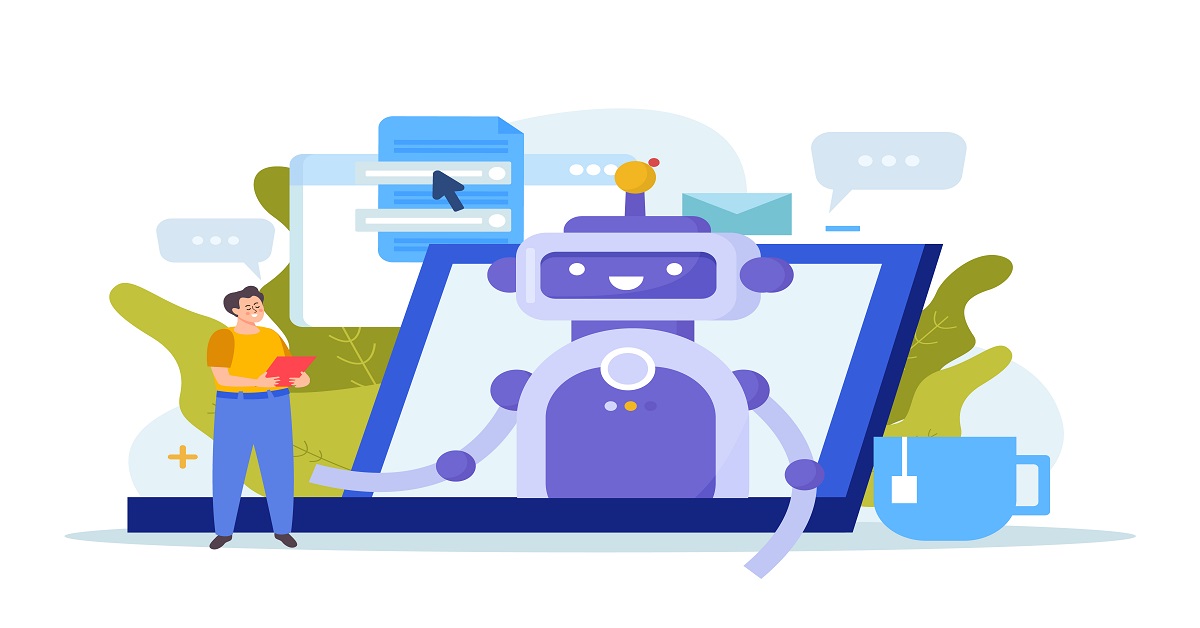
Contrary to fears of replacement, AI in 2026 is designed to augment human capabilities. Developers use AI assistants to debug code faster. Analysts rely on AI to interpret complex datasets. Customer support teams leverage AI chatbots to handle routine queries while focusing on complex interactions.
Human-AI collaboration enhances productivity, reduces burnout, and accelerates innovation. The IT workforce is evolving, with professionals developing new skills in AI integration, data science, and machine learning management.
Conclusion
The future of AI development company in IT is defined by intelligence, automation, scalability, and ethical responsibility. In 2026, AI is no longer a competitive advantage — it is a necessity. From AI-native applications and hyper automation to edge computing and cybersecurity advancements, these trends are shaping a smarter, more efficient digital ecosystem.
Organizations that invest in robust AI strategies, prioritize responsible development, and integrate AI seamlessly into IT infrastructure will lead the next wave of innovation. As technology continues to evolve, the synergy between AI and IT will unlock unprecedented opportunities for growth, efficiency, and transformation.