The "Ethnic Corporate" Look: Can You Wear Kolhapuris to a Boardroom Meeting?
By Korakari 16-03-2026 248
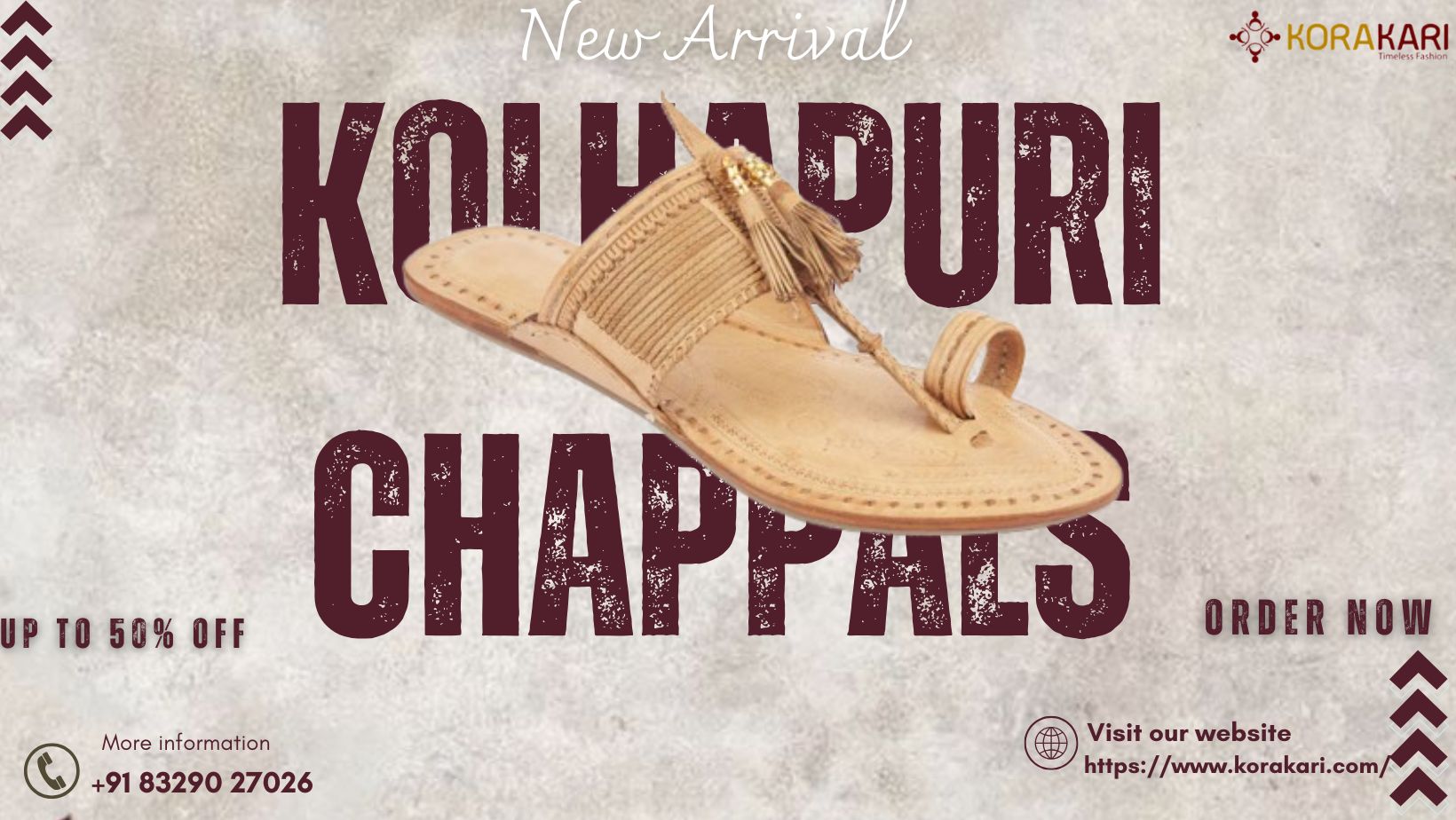
However, as the global workspace evolves toward a more inclusive, culturally grounded aesthetic, a new contender has stepped into the executive suite. The authentic Kolhapuri Chappal, once reserved for festive gatherings or casual Sundays, is now making a sophisticated debut in high-stakes environments. This transition isn't just about a change in footwear; it’s about a shift in how we perceive authority and professional identity in the 21st century.
The Evolution of the Boardroom Dress Code
The traditional boardroom was a fortress of pinstripes and rigid leathers. But today, the most influential leaders from tech moguls in Silicon Valley to creative directors in Mumbai are embracing "Identity Dressing." In India, this has manifested as the Ethnic Corporate look.
Wearing a Kolhapuri Chappal to a meeting is a power move. It signals a leader who is rooted in heritage, values craftsmanship over mass production, and possesses the confidence to break the mold without breaking the decorum.
Why Kolhapuris Work in a Professional Setting
To the uninitiated, a sandal might seem too casual. But the Kolhapuri Chappal is not just a sandal; it is a piece of wearable architecture. Here is why it bridges the gap between heritage and the head office:
Material Integrity: High-quality, vegetable-tanned leather has a "luxe" finish that matches the quality of premium dress shoes.
Sophisticated Minimalism: The intricate braiding (the Veni) and the hand-stitched details provide a texture that is visually more interesting than a plain leather shoe.
The Comfort Factor: Decision-making requires focus. The breathability of open-toed leather ensures you aren't distracted by the discomfort of stiff, enclosed formal shoes during a three-hour strategy session.
Cultural Authority: It projects an image of an "Indigenous Intellectual" someone who is globally minded but locally rooted.
The "Rules" of the Corporate Kolhapuri
Not every pair of chappals belongs in a boardroom. To pull off the Ethnic Corporate look, you must follow a strict set of style guidelines to ensure you look "Executive" rather than "Just stepped out for groceries."
1. The Color Palette: Stick to the Classics
For a boardroom, avoid the "bright yellow" or "natural straw" tones often found in tourist markets. Opt for:
Deep Mahogany/Dark Brown: The safest and most versatile choice for navy or grey trousers.
Midnight Black: Perfect for a monochromatic, sharp look with black chinos or a dark Nehru jacket.
Burnished Tan: Works beautifully with light-colored linens and summer suits.
2. The Finish: Quality Over Everything
A boardroom pair must be authentic leather. Avoid synthetic versions that have a "plastic" shine. The edges should be polished, and the stitching should be uniform. Look for the "sandwich" sole multiple layers of leather stitched together which provides a slight "heel" and a more formal gait.
3. The Grooming Factor
When your toes are on display in a professional setting, grooming is non-negotiable. Ensure your feet are clean and well-maintained. This is the "hidden" cost of wearing open footwear in a corporate environment, you cannot hide neglect.
Styling Guide: Three Ways to Master the Look
Option A: The "Indo-Western" Hybrid
This is the most common and effective boardroom application.
Top: A crisp, well-fitted white or light blue shirt (tucked in).
Bottom: Tailored chinos or slim-fit trousers in navy, charcoal, or olive.
Footwear: Deep chocolate-brown Kolhapuri Chappal.
The X-Factor: A leather belt that matches the exact shade of your chappals.
Option B: The Modern Ethnic Professional
Perfect for formal events, client pitches, or industry conferences.
Top: A short Kurta in a solid "corporate" color (think slate grey, forest green, or deep indigo).
Layer: A well-fitted Nehru Jacket.
Bottom: Straight-cut trousers or "Jodhpur" pants.
Footwear: Classic tan or black Kolhapuris with intricate Veni work.
Option C: The Creative Executive (The Bold Move)
For those in advertising, architecture, or tech startups.
The Suit: A deconstructed linen suit in beige or light grey.
The Shirt: A simple premium crew-neck tee or a mandarin collar shirt.
Footwear: Minimalist, single-braid Kolhapuris.
Addressing the "Sound" of Authority
One of the most distinctive features of an authentic Kolhapuri Chappal is the "squeak" or "clack" it makes. In a silent boardroom, this can be a distraction.
Pro Tip: If your new pair is too loud, apply a few drops of coconut oil to the points where the leather straps rub against each other. This softens the leather and quietens the "talkative" shoe, making your entrance subtle yet firm.
Why Korakari?
At Korakari, we understand that the modern professional doesn't want to choose between their roots and their career. Our boardroom collection focuses on high-grade leather and refined aesthetics. We strip away the unnecessary "frills" of street-side chappals to give you a silhouette that complements a tailored trouser as perfectly as it does a Silk Kurta.
"True power isn't just about the seat you hold, but the ground you stand on and how you choose to tread upon it."
Conclusion: Making the Shift
Wearing Kolhapuri Chappals to a boardroom is no longer a fashion "risk." It is a statement of authenticity. It tells your colleagues and clients that you value craftsmanship, that you support sustainable artisan loops, and that you are comfortable enough in your own skin (and shoes) to lead with original style.
The next time you prepare for a high-level meeting, put away the heavy laces. Step into a pair of handcrafted Korakari classics, stand tall, and let your work and your heritage do the talking.