The Dynamics of the Future of Aviation Engineering in Germany on the Higher Level of Virtual Replication
By johnryan 20-02-2026 170
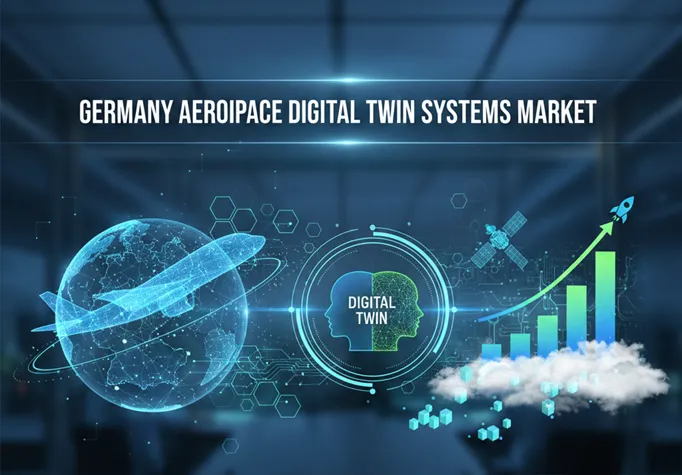
The new era of aviation ecosystem in Germany is characterized by simulation intelligence, networked aircraft systems and data-driven lifecycle management. With the adoption of Industry 4.0 models by manufacturers and maintenance providers, virtual aircraft modeling platforms, also known as cyber-physical replicas, are transforming the manner in which aerospace resources are designed, tested, and serviced.
Instead of using physical prototypes only, companies are using high-fidelity computer simulations to maximize the structural performance, propulsion efficiency and operational reliability. The technology change is making Germany a leader in intelligent aviation engineering in Europe.
The Emergence of Smart Aircraft Simulators
Aerospace programs in the modern world are increasingly reliant on real-time systems replication to enhance engineering accuracy. These developed virtual worlds gather sensor inputs of aircraft parts and match it with cloud-based analysis engines. The outcome is a virtual model which is constantly updated and dynamic and which reflects real world performance.
Click here and get the latest industry intelligence today
Innovators in the aerospace industry, like Airbus, in Germany have been using sophisticated modeling ecosystems to cut aerospace development times. In the meantime, Lufthansa Technik incorporates predictive analytics platforms to make the fleet maintenance process more efficient and less prone to unplanned downtime.
The industrial technology organizations such as Siemens AG are offering the integrated engineering software applications that tie the manufacturing lines to the smart monitoring systems. These systems allow the manufacturing of the aerospace industry to develop an integrated production environment with the help of IoT sensors and AI-based diagnostics.
Market Momentum and Economic Impact
Aviation engineering is a major branch of the German GDP, with thousands of skilled workers and having a huge network of suppliers. Based on the findings of Markntel Advisors, the trend of adopting high-end virtual modeling systems in the whole aviation industry is projected to increase steadily in the coming years due to the increasing expenditure in research and development and defence modernization measures.
The data of the industry shows that predictive maintenance systems can save the operational costs in 20-30 percent and enhance the availability rate of airplanes. Consequently, investment in related aircraft simulation technologies is not an experiment anymore but rather an operating norm.
The major drivers of growth are:
- Growing need of lifecycle cost optimization.
- Development of new diagnostics of AI systems.
- Good regulatory focus on safety compliance.
- Digital transformation initiatives by the government.
All these have contributed towards the improvement of the competitiveness of Germany in the international aerospace supply network.
Re-engineering Design, Production and Maintenance
The use of the high-level virtual aircraft modeling is the field of application in various areas of operation:
Structural Analysis and Engineering
Simulation environments with high resolution enable engineers to test the aerodynamics, composite materials, and load-bearing structures prior to the commencement of the manufacturing process. This minimizes the risks of development and decreases time-to-market.
Smart Factory Optimization
Linking manufacturing systems allow real-time tracking of assembly lines, which enhance throughput and reduce quality deviations. Automation platforms are becoming a common integration in German aerospace facilities to make production more simplified.
Predictive Maintenance & MRO Excellence
The new aircraft engines, avionics modules, and hydraulic systems now produce streams of large amounts of operational data. Analytics loads this information into AI-based predictions to predict when components will wear out and arrange a timely intervention to prevent the use of costly ground time.
Aerospace After the reviewing of this, other technology companies like IBM and Dassault Systemes are working with aerospace stakeholders to improve the accuracy of simulations, system interoperability, and cloud-based engineering.
Defense Aviation and Mission Readiness
The intelligent system replication frameworks are also coming in handy in Germany defense aviation programs. Defense aircraft are needed to be highly operational and perform optimization under complicated mission environments.
State-of-the-art simulation systems allow defense contractors to simulate mission conditions, test structural stress responses, and test propulsion behavior in a non-physical way without compromising physical tests. The strategy reinforces the integrity of the assets and the reduction of maintenance costs.
With the slow but steady growth of European defense budgets, the need of intelligent modeling systems will have the same trend, which will support the strategic aerospace facilities of Germany.
Challenges and Innovation Opportunities
Although it has been widely adopted, there are still some obstacles:
- Large initial infrastructure expenditure.
- Complexity of integrating with legacy avionics systems.
- Connected platform cybersecurity risks.
- Recent necessity of focused data science skills.
Nonetheless, the effective technical education system in Germany and its well-established research institutions are in the process of trying to combat the shortage of skills in the workforce. The collaboration of firms with the government still promotes the development of AI-based aviation analytics and resilient cloud engineering solutions.
The Future of Aviation Engineering and Sustainability
Aviation strategy is turning to environmental responsibility. The intelligent aircraft modeling is important in developing energy efficient airframes, optimization of fuel burn as well as minimization of emissions.
Virtual simulation allows engineers to experiment with lightweight materials and other propulsion systems prior to their actual use. This enhances the creation of cleaner planes faster and the costs of experimentation are kept to the minimal.
As stated by Markntel Advisors, plane lifecycle management in Germany will be further improved with the use of advanced analytics, augmented reality, and immersive training platforms. Mobile diagnostics and machine learning-enhanced maintenance procedures are expected to become a standard in the industry in ten years.
Strategic Outlook
The aviation ecosystem in Germany is the meeting point of engineering perfection and digital intelligence. The move towards the synchronized virtual modeling platforms is not just a matter of technological modernization but will also be an indication of a structural change in the way aerospace systems are conceived, constructed, and maintained.
Germany is becoming an ever more powerful smart aviation technologies innovation hub as it keeps investing in AI, cloud computing, and Industrial IoT frameworks. With the maturity of predictive engineering solutions, the stakeholders in the aviation sector will have more control than ever with regard to performance optimization, safety assurance, and operational efficiency.
Finally, the fast development of the high-tech aircraft simulation environments is reshaping the future of the German aerospace. The country is developing a robust and digitally enhanced aviation environment that is ready to face the next wave of international challenges through the use of data-driven lifecycle approaches and through the formation of industry partnerships.