The Competitive Edge of Floating Wind Technology Lies Beneath the Surface
By Leadvent Group 02-06-2026 119
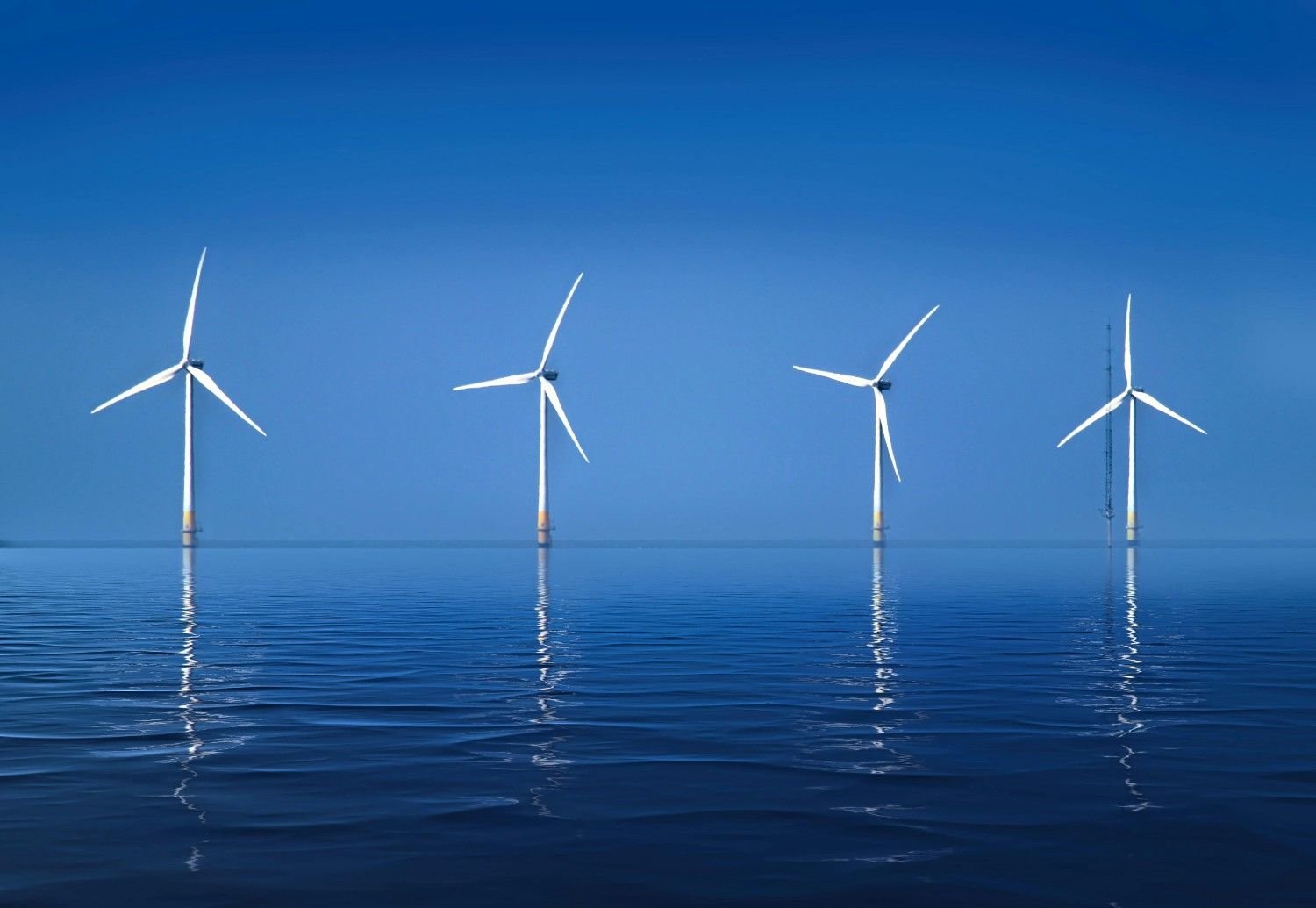
The world faces an urgent need to transition to clean energy, and wind power sits at the forefront of this movement. For many years, clean electricity has been produced by conventional offshore wind turbines anchored to the seabed. However, these structures are limited to shallow waters. To truly unlock the energy potential of our oceans, a new approach is taking over. Floating Wind Technology represents the next great leap in renewable energy, allowing turbines to sit in deep waters where winds are stronger and much more consistent. While the massive blades spinning in the sky catch the eye, the true advantage of this technology lies hidden beneath the surface of the sea.
The Limits of Fixed Substructures
Traditional marine wind farms rely on steel or concrete legs driven directly into the seabed. This method works exceptionally well in shallow areas, but it faces a steep geographical wall. Once the water depth exceeds sixty meters, building fixed foundations becomes too expensive and engineered-heavy to justify.
This depth restriction leaves vast areas of the ocean completely untouched. Many coastal nations have deep waters right off their shorelines, meaning they cannot utilize standard fixed structures. By moving away from rigid foundations, the energy industry can now access deeper territories that were once completely unreachable.
Engineering Below the Surface
The secret to keeping a massive, heavy wind turbine stable on the open ocean is the engineering beneath the waterline. Instead of fighting the movement of the sea, floating platforms work with it. Engineers use three primary types of floating foundations to keep turbines steady against harsh waves and heavy winds.
- • Spar buoys: These are long, heavy cylinders that extend deep into the water. They use a heavy weight at the bottom to lower the center of gravity, keeping the turbine upright just like a fishing bobber.
- • Semi-submersible platforms: These use large, hollow columns that float on the water surface. They spread out the weight over a wide area to maintain balance.
- • Tension-leg platforms: These are buoyant offshore structures anchored to the seabed by taut vertical cables, ensuring high stability.
These platforms are secured to the sea floor using mooring lines and anchors. Instead of relying on a rigid steel pole, the structure uses flexible lines that accommodate the ocean's natural wave forces, helping prevent damage from bending or fracture.
Unlocking Deeper Waters and Better Winds
The major advantage of moving into deeper water is the quality of the wind. Ocean winds further out to sea are much stronger, smoother, and less turbulent than winds near the coast. By placing turbines in these optimal zones, they can generate significantly more electricity over the course of a year.
Furthermore, floating structures reduce visual pollution. Because they can be placed miles away from the coastline, they are completely invisible from beaches and seaside communities. This eliminates local opposition regarding altered ocean views, which frequently delays coastal energy developments.
Real World Case Studies
The viability of this technology is no longer just a theory. Real-world projects are currently operating and proving that floating foundations can outperform traditional setups.
Case Study 1: Hywind Scotland
Launched in 2017 off the coast of Peterhead, Scotland, Hywind Scotland is the world’s first commercial floating wind farm. Developed by Equinor and Masdar, the project features five turbines sitting on spar-type floating foundations in water depths between 95 and 120 meters. Over its years of operation, Hywind Scotland has consistently achieved a capacity factor higher than traditional fixed-bottom setups. Because deep-sea winds are powerful and experience fewer interruptions, the system can maintain near-maximum electricity generation for longer durations.
Case Study 2: Kincardine Offshore Wind Farm
Located fifteen kilometers off the coast of Aberdeen, Scotland, the Kincardine project became fully operational in 2021. It stands as one of the largest floating facilities in the world, utilizing semi-submersible platforms designed by Principle Power. Operating in water depths up to eighty meters, Kincardine successfully integrated massive 9.5-megawatt turbines onto floating bases. The project proved that existing offshore wind supply chains and standard port vessels could be used to install and maintain large-scale floating infrastructure.
Environmental and Economic Benefits
Building foundations on land or hammering massive poles into the seabed causes significant disruption to marine life. The loud underwater noise can harm marine mammals, and digging up the sea floor destroys local habitats. Floating systems cause minimal disturbance because they only require a few anchors dropped onto the seabed.
From an economic perspective, floating platforms offer a major manufacturing advantage. They can be fully assembled at a local port using standard cranes. Once the turbine is completely built on top of its floating base, it can simply be towed out to sea by ordinary tugboats. This eliminates the need for expensive, highly specialized heavy-lift vessels that traditional marine installations require.
Conclusion
The future of renewable ocean energy is moving further away from the coastline. By solving the challenges of deep-water installation, floating foundations allow us to harvest the strongest winds on the planet. As global energy leaders prepare to share data and discuss new designs at the upcoming Floating wind conference, the industry is positioned for rapid growth. The competitive advantage of this technology does not lie in making larger blades or taller towers, but in the quiet, hidden engineering holding everything steady beneath the surface.
Frequently Asked Questions
Q1. How do floating wind turbines stay upright during severe storms?
They rely on physics and smart engineering below the waterline. Depending on the design, they use heavy weights at the bottom of the structure, wide buoyant platforms, or tightly pulled mooring cables attached to the seabed to counteract the tilting force of the wind.
Q2. Are floating turbines better for the environment than fixed ones?
Yes, they generally have a lower environmental impact on marine habitats. They do not require heavy pile-driving into the seabed, which creates intense underwater noise that harms marine life. They only require anchors, leaving the seabed mostly untouched.
Q3. How is the electricity brought back to land?
The electricity generated by the turbine travels down heavy-duty, flexible power cables that hang in the water. These cables connect to an underwater collection point, which then sends the electricity to the mainland grid through a buried seabed cable.
Q4. Can floating turbines be deployed in any water depth?
While they are designed for deep waters where fixed turbines cannot go, they do require a minimum depth of around forty to fifty meters so the floating base does not hit the ocean floor. There is theoretically no maximum depth limit as long as the mooring lines are long enough.
Q5. Are floating wind farms more expensive to build?
Currently, the initial manufacturing costs are higher than fixed-bottom turbines because the technology is newer. However, they save money on installation and decommissioning because they can be assembled at a port and towed out to sea without using ultra-specialized, expensive installation vessels.