The book discovers the colorful world of fruits “nature's sweetest present”.
By Nancy Ryan 28-08-2026 66
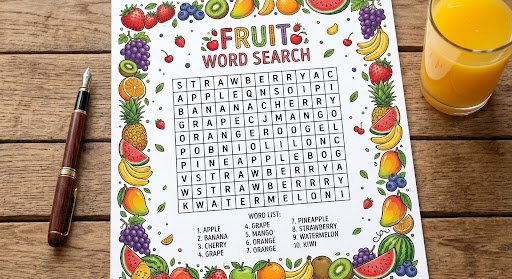
Fruit is one of the most highly adored natural objects. Fruits have been a significant part of human nutrition, culture and celebrations since well before the age of agriculture, and they are bursting with colour, flavour and natural sweetness. Whether it's a freshly picked strawberry or a fruit basket decorated with delicate lace and flowers and given as a gift during festive occasions, fruit is a significant part of people's lives and an integral part of their everyday lives.
There are fruits for every place in the world!
Among the most amazing aspects of fruit word search is the degree to which geography and climate are reflected in it. Tropical climates are ideal for mangoes, pineapples, papayas and bananas, which are harvested in abundance, as the sweetness and richness are determined by their year-round warm temperature and rainfall. Fruits, however, that thrive in particular seasonal cycles and often have distinctive cultural associations with harvest time and orchard traditions, are more popular in temperate climates, such as apples, pears, peaches, and cherries.
Citrus fruits, such as oranges, lemons and grapefruits, grow well in warm, sunny climates and have traditionally been vital to help reduce nutrition deficiencies on long sea voyages. In colder northern latitudes where wild blueberries, raspberries and blackberries have been gathered since time immemorial and are now turned into profitable farm crops, berries are sought after, as they are easily damaged and often perish soon after harvesting. Due to its geographical diversity, the fruits you will find while touring any country can be different from the ones you are used to. Each fruit has a different history, associated with its soil and customs.
The Nutritious Potential in Each Bite
Fruits are delicious but they are also a good food for health. Most are rich in vitamins, minerals and dietary fiber and low in calories. Potassium (found in fruits such as bananas) is important for good blood pressure and muscle health, while Vitamin C (abundant in citrus fruits and berries) is vital for the immune system and skin health. The antioxidants found in deeply colored fruits, like crimson pomegranate seeds and purple grapes are thought to assist protect cells from normal wear and tear.
Fiber is one of the least touted qualities of fruit, and it is very beneficial for digestion and energy levels during the day. Unlike processed sugary treats, fruit has naturally occurring fibre and water that slows the release of sugars into your system. Because of this mix of nutrients, fruit has been a mainstay of dietary recommendations around the world. Fruit is a popular and easy-to-enjoy way to benefit overall health and is a regular recommendation of nutritionists and health organizations.
Exhibit the fruits of their labor: Symbolism, Celebration and Culture.
Fruit is more than just a table fruit. Some fruits were and still are used to represent a certain place, time, or person in art, religion, and folklore. For example, the apple is a common symbol of temptation, wisdom, or, depending on the tradition, immortality in innumerable myths and tales. Because of their hundreds of jewel-like seeds, pomegranates have been associated with fertility and abundance throughout the Mediterranean and South Asia.
Fruit harvests are a regular part of World's search and celebration of the promise of blooming fruit in the season, apple harvest and pumpkin fields in the fall. Some fruits have other meanings in religious practices, marriage ceremonies, New Year's Eve and other festivals in many cultures due to their belief that they might provide fertility, wealth or good fortune for those who eat them. Itwordsearches.com significance is more than just as food, as it is deeply rooted in culture.
How Fruit gets to us, From Farm to Table
Often people don't realize how complex the journey of a fruit to the kitchen table is. Modern farming, refrigerated shipping and global trade have made it possible to eat fruits from far away regions and seasons that usually do not grow in those parts. A banana, grown in the tropics, can be served for breakfast thousands of miles from where it was grown within days of harvest a logistical achievement unheard of a century ago.
At the same time, there is increasing awareness of sustainability, and many consumers are going for seasonal, locally farmed fruit wherever possible. In addition to lowering the environmental impact of long-distance transportation, farmers' markets and community-supported agriculture initiatives have become increasingly popular. The renewed appreciation for seasonal eating has also brought about a renewed appreciation for heritage fruit types that many people have not had the pleasure of eating in the supermarket before.
The colourful world of fruits: a nature's best gift
Fruit is one of the most highly adored natural objects. Since before agriculture, fruits have been a part of human diets, cultures and festivals all over the globe, bursting with color, flavor and inherent sweetness. Fruit occupies a special place in children's lives, as it does in ours: not only is it food for them, but it's also fun and a symbol of tradition, whether it's a ripe strawberry for the first time or a fancy fruit basket for the holidays.
A Fruit for Everyplace in the World
Among the most amazing aspects of fruit word search printable the degree to which geography and climate are reflected in it. Tropical climates are home to mangoes, pineapples, papayas and bananas, and their sweetness and richness are determined by the year-round warmth and rainfall. Apples, pears, peaches, and cherries (all of which thrive in distinctive seasonal cycles and often carry special cultural meanings about autumn harvest and orchard traditions) are well-known in temperate climates.
Citrus fruits, such as oranges, lemons and grapefruits, grow well in warm, sunny environments and have traditionally been a vital way to help reduce nutritional deficiencies on long voyages. Berries are delicate and often are short-lived after they're picked; in colder northern latitudes, wild blueberries, raspberries and blackberries have been harvested for thousands of years, and have turned into the primary crop. This geographical diversity means that when people travel anywhere they have the chance to eat fruits that they may not have tasted before, all with their own distinct background of regional history and soil.
The Nutritious Potential in Each Bite
Fruits are healthy powerhouses and more than just something to enjoy for their delicious taste. Most of them are rich in vitamins, minerals and dietary fiber and have a low calorie count. Potassium-rich fruits such as bananas are important for maintaining health of the blood pressure system and for muscular functions, while vitamin C, abundant in citrus fruits and berries, is important for the immune system and skin health. The antioxidants in deeply-coloured fruits like crimson pomegranate seeds and purple grapes are believed to protect the cells from natural aging processes.
Fiber is one of the underrated benefits of fruits and helps to maintain a stable energy level throughout the day. Processed sugary foods release energy rapidly into the bloodstream, whereas natural sugars in fruit are accompanied by fibre and water which slow down the rise in blood sugar levels. Because of this mix of nutrients, fruit has been a mainstay of dietary recommendations around the world. Fruit is a favorite among nutritionists and health advocates for its ease and enjoyment as a way to boost overall health.
In the Christian faith, Heaven Crossword is typically portrayed as a state of eternal fellowship and harmony with God, often characterized by visions of light, joy, and peace. According to Islamic tradition, Jannah is a paradise that is filled with gardens, rivers and plenty, and is promised to those who live in a rightful manner. Hindu and Buddhist traditions have a slightly different perspective, and speak of heaven as a state – but a state which is part of a cycle of rebirth that can be broken by attaining nirvana.
Celebration, and Culture is Fruits
Fruit isn't just for eating at the table. Many fruits are said to be significant in past art, religious and folklore. In many myths and tales, for instance, the apple is the symbol of temptation, wisdom or, depending on the tradition, immortality. The pomegranate's hundreds of jewel-like seeds have long been a symbol of fertility and abundance, from the Mediterranean to South Asia.
Cherry blossom festivals, apple picking festivals and pumpkin fields festivals are common celebrations worldwide recognising the promise of fruit that will be in season during the fall season. Some fruits are used in religious ceremonies and at weddings and during New Year celebrations in many cultures because they are believed to provide fertility, wealth and/or good fortune to those who eat them. Its cultural roots are quite deep and fruit in It wordsearch is always more than just food.
How Fruit gets to us: Farm to Table
Fruits which come to a kitchen counter are often unaware of their journey before arrival. Today, due to modern agriculture, refrigerated transportation and global trade networks, people living far away from their natural growing season or region can enjoy fruits as well.At the same time, with this growing consciousness of sustainability, many consumers are opting for seasonal, local fruits wherever possible. In addition to lowering the environmental impact of long-distance transportation, farmers' markets and community-supported agriculture initiatives have become increasingly popular. Many of the flavor and texture variations of heritage fruit types have not been available in supermarket produce, and this renewed interest in eating seasonally has brought them back into the spotlight.
Tags : .....