The Armchair Manager Paradox: Why Everyone Wants to Call the Game but Watches on TV
By Steve chuckles 28-07-2026 35
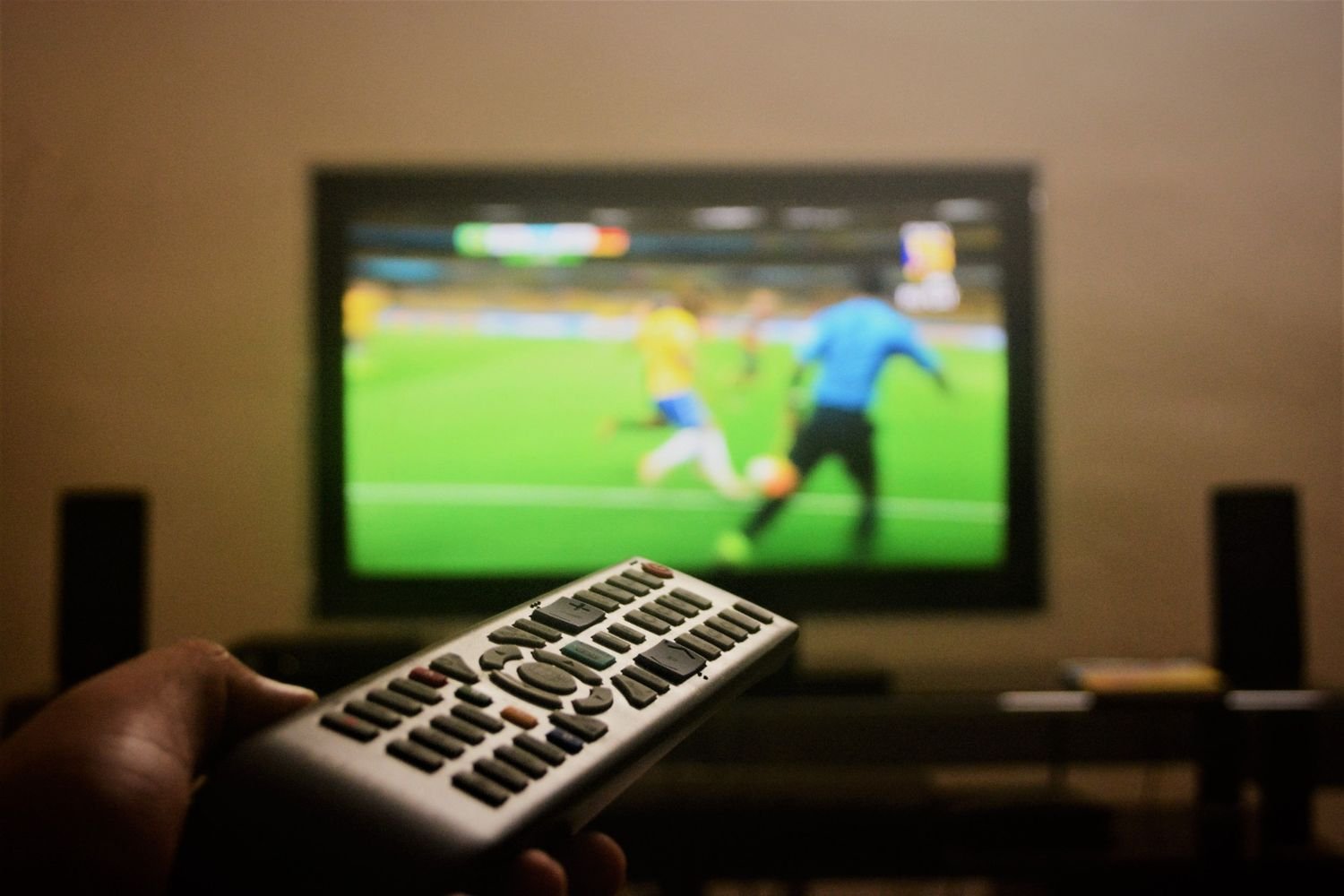
Listen to any group of sports fans gathered around a living room display, and you will hear a room full of head coaches, tactical directors, and elite referees. Everyone in the room instinctively feels they could make the crucial call, call the perfect blitz, or manage the late-game clock far better than the professionals on the field. Yet, despite this overwhelming urge to step up and control the action, virtually everyone ends up comfortably seated in front of a broadcast screen. Unpacking this psychological dynamic reveals why the "armchair quarterback" mentality makes home viewing the ultimate sports experience.
The Psychological Urge for Strategic Control and Expertise
Humans are naturally wired to analyze, predict, and assert control over high-stakes situations. Watching elite athletes execute complex plays triggers our internal problem-solving machinery, convincing us that we see tactical openings that the actual players missed.
This vocal backseat-coaching phenomenon allows spectators to mentally test their own sports IQ without risking physical exhaustion or public defeat. Industry analyses shared across sports streaming resources like bmtv24 explain that calling plays from home provides a low-risk dopamine rush, allowing fans to feel directly involved in the strategic battle unfold on screen.
The Unbeatable Superiority of Broadcast Camera Angles
The real reason fans happily remain on their couches rather than standing on the sidelines comes down to visual vantage points. On the field, an athlete's view is severely obstructed by physical opponents, dynamic speed, and immediate physical pressure.
A modern television feed, by contrast, gives the home viewer an omniscient, god-eye view of the entire playing surface. Comprehensive technology breakdowns on sports platforms like bmtv24 highlight that overhead cable cameras, instant multi-angle replays, and real-time telestrators grant home viewers far greater tactical visibility than even the head coach standing on the bench.
The Safety of Hindsight and Zero-Consequence Decision Making
Calling a play from a soft sofa carries zero real-world consequences. If a fan shouts at the television for a risky fourth-down conversion and it fails, they simply shrug and criticize the execution; if it succeeds, they claim mental brilliance.
Actual sports managers operate under immense psychological stress, brutal public scrutiny, and strict time constraints. The living room environment provides the perfect illusion of expertise—allowing spectators to enjoy the thrill of authority while completely insulated from the heavy price of failure.
The Total Comfort and Convenience of Screen-Based Spectatorship
At the end of the day, stepping into the high-stress environment of real game management cannot compete with the sheer luxury of broadcast viewing. Watching at home balances intense emotional investment with total physical relaxation.
Fans enjoy customized climate control, instant access to food, crystal-clear audio, and the ability to pause or rewind pivotal moments. We may all dream of standing on the sidelines and making the game-winning call, but the unparalleled comfort and clarity of modern TV broadcasts ensure that the couch remains the best seat in the house.
Ultimately, the armchair manager paradox is part of what makes sports so engaging. Every match invites discussion, debate, and different opinions, giving fans the chance to interpret key moments in their own way. While professional coaches and players make decisions under intense pressure, spectators enjoy the unique privilege of analyzing every play from the comfort of home. That balance between emotional involvement and complete convenience is one of the reasons watching sports on television continues to be such a popular experience for fans around the world.
Tags : .....