Sweden Tire Industry is Evolving Through Sustainability, Electrification, and Seasonal Mobility
By kyle 21-07-2026 51
Sweden’s tire ecosystem is undergoing a significant transformation as sustainability goals, electric vehicle adoption, and stringent winter driving regulations reshape consumer preferences and manufacturing priorities. The country's commitment to reducing transport emissions, alongside growing investments in smart mobility, has created demand for technologically advanced tires that improve safety, fuel efficiency, and durability. According to the latest Sweden tire report published by MarkNtel Advisors, evolving vehicle ownership patterns, regulatory developments, and changing climatic conditions are expected to continue influencing demand across passenger, commercial, and specialty tire segments. The report provides insights into product innovations, competitive developments, and regional consumption trends without relying solely on historical sales data.
One of the defining characteristics of Sweden's tire landscape is its strong emphasis on environmental responsibility. Consumers increasingly prefer products manufactured using sustainable materials and processes that minimize environmental impact. Tire manufacturers are responding by incorporating recycled rubber, renewable oils, and energy efficient production methods into their operations. The Sweden tire analysis by MarkNtel Advisors highlights how sustainability initiatives and changing customer expectations are encouraging companies to innovate across the entire tire value chain.
Winter Conditions Continue to Shape Tire Demand
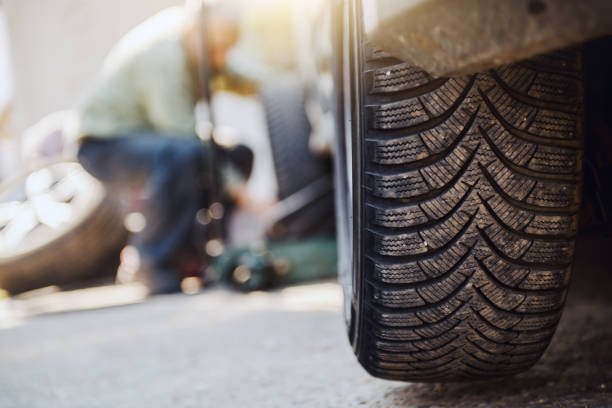
Sweden experiences long and severe winters, making seasonal tires an essential part of everyday transportation rather than an optional purchase. Winter tires are specifically engineered to provide enhanced grip, braking performance, and vehicle stability on snow covered and icy roads. The country's regulations requiring appropriate tires during winter months have created consistent replacement demand while encouraging innovation in tread design and rubber compounds. The Swedish Transport Administration explains how seasonal road safety measures contribute to accident prevention across the country.
Beyond compliance, Swedish consumers increasingly value premium winter tires that combine safety with lower rolling resistance and improved fuel efficiency. Manufacturers are therefore investing in advanced compound technologies capable of maintaining flexibility under extremely low temperatures while reducing wear over prolonged use.
Electric Vehicles Are Creating New Tire Requirements
The rapid expansion of electric vehicles is reshaping tire development worldwide, and Sweden is among the leading countries embracing electrified mobility. Electric vehicles produce instant torque while carrying heavier battery packs, placing greater stress on tires than conventional automobiles. As a result, manufacturers are developing products specifically engineered to support heavier loads, minimize road noise, and improve driving range through reduced rolling resistance.
Sweden's transition toward cleaner transportation has accelerated demand for these specialized solutions. According to the International Energy Agency, electric vehicle adoption continues to grow globally, encouraging innovation throughout the automotive supply chain.
Sustainability Drives Product Innovation
Environmental awareness has become a defining purchasing factor among Swedish consumers. Tire manufacturers are therefore investing heavily in sustainable production technologies that reduce carbon emissions while improving material efficiency. Recycled rubber, renewable raw materials, silica based compounds, and bio based oils are increasingly being incorporated into modern tire manufacturing processes.
Research organizations also continue exploring methods to extend tire lifespan while improving recyclability at the end of product life. Such innovations support Sweden's broader objective of transitioning toward a circular economy where valuable materials remain in productive use for longer periods. The European Environment Agency discusses circular economy strategies and sustainable resource management across Europe, while the European Chemicals Agency provides information on safer chemical usage in manufacturing.
Digital Technologies Improve Tire Performance
Modern tires are becoming increasingly intelligent through the integration of digital monitoring technologies. Tire Pressure Monitoring Systems (TPMS), predictive maintenance solutions, and connected fleet management platforms enable drivers and commercial operators to monitor tire condition in real time. Proper tire pressure improves safety, reduces fuel consumption, and extends tire life, making digital monitoring increasingly valuable.
Commercial transportation companies operating throughout Sweden particularly benefit from these innovations by reducing maintenance costs and minimizing unexpected vehicle downtime. Connected mobility solutions also support fleet operators in achieving greater operational efficiency while improving environmental performance. The European Commission's transport initiatives and the International Transport Forum continue highlighting the importance of digital technologies in modern transportation systems.
Consumer Preferences Continue to Shift
Swedish consumers have become increasingly informed when selecting tires, evaluating products based not only on price but also on durability, safety ratings, environmental performance, and energy efficiency. Independent testing organizations and product labelling requirements have made it easier for buyers to compare tire performance before making purchasing decisions.
Online retail channels have further simplified access to product information, customer reviews, and professional installation services. Digital purchasing platforms enable consumers to compare multiple brands while scheduling installation appointments conveniently. According to the European Union's tire labeling regulations, standardized labeling helps consumers identify products with better fuel efficiency, wet grip performance, and external noise characteristics.
Future Outlook
Sweden's tire landscape is expected to remain strongly influenced by sustainability objectives, vehicle electrification, advanced materials, and digital innovation. Manufacturers that successfully balance environmental responsibility with high performance engineering will be well positioned to address evolving consumer expectations. Continuous investment in research, recycling technologies, and smart mobility solutions is likely to strengthen the industry's resilience over the coming years.
As highlighted in this report, the country's evolving automotive ecosystem continues creating opportunities for premium products designed around safety, efficiency, and sustainability. Combined with supportive environmental policies, technological progress, and increasing adoption of electric mobility, Sweden remains an important destination for innovation within the global tire sector. Continued collaboration between manufacturers, policymakers, and research organizations will play a crucial role in shaping the next generation of sustainable tire solutions.
Tags : Sweden Tire Market