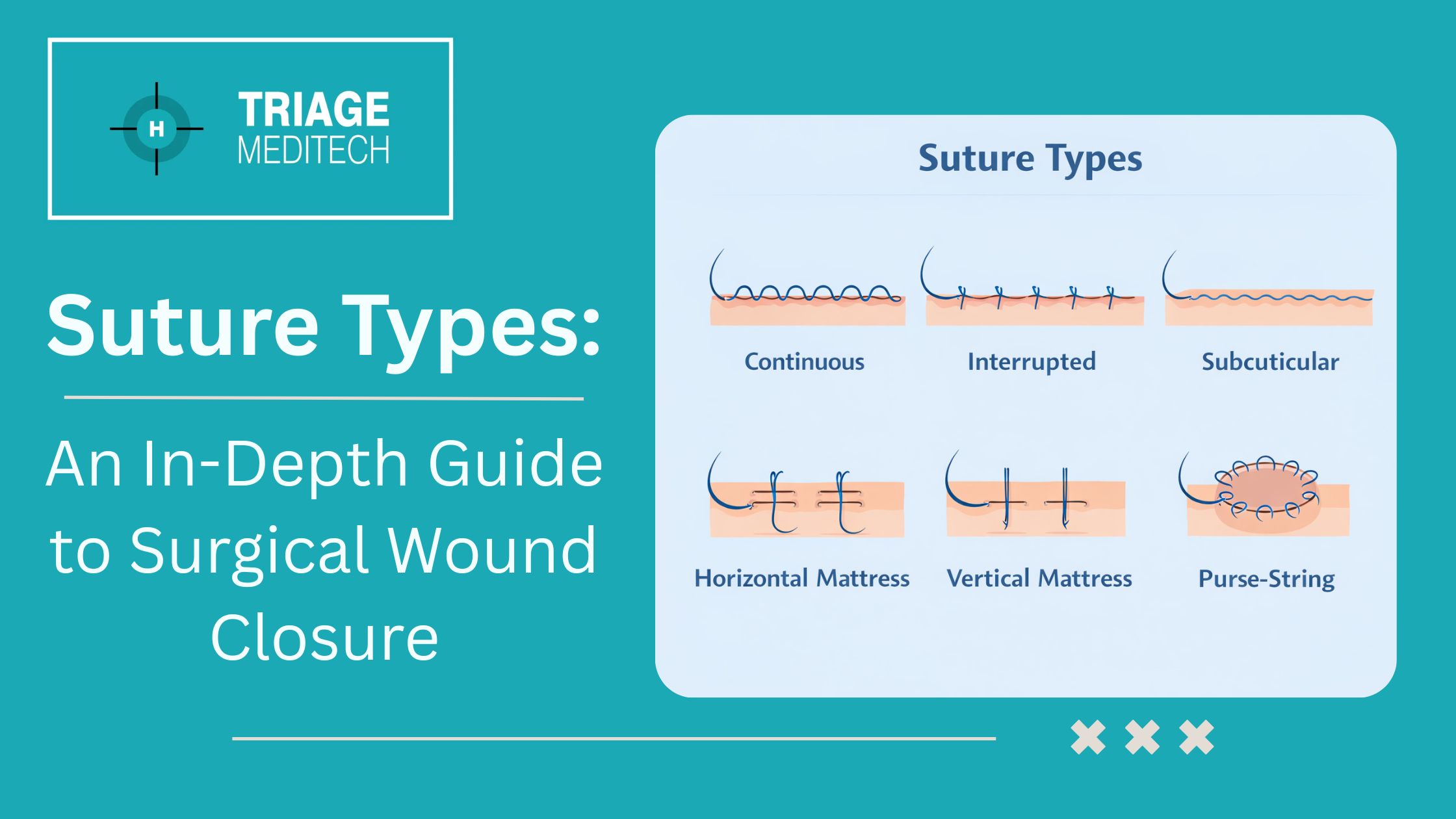
Choosing the correct suture types is fundamental to successful surgical outcomes. Sutures play a critical role in wound closure, tissue approximation, hemostasis, and overall healing. The right suture selection not only supports tissue integrity but also reduces infection risk, improves cosmetic results, and minimizes postoperative complications.
In this comprehensive guide, we explore different suture types, their classifications, materials, sizes, and clinical applications to help healthcare professionals make informed decisions.
What Are Sutures?
Sutures are sterile surgical threads used to close wounds or incisions. They help hold tissues together until natural healing restores strength and continuity. Sutures are commonly used in:
General surgery
Orthopedic procedures
Cardiovascular surgery
Obstetrics and gynecology
Plastic and cosmetic surgery
Modern suture materials are designed to balance tensile strength, flexibility, and minimal tissue reaction.
Primary Classification of Suture Types
Suture types are generally classified based on:
Absorbability
Filament structure
Material composition
Special coatings or features
Each classification affects performance, healing time, and infection risk.
Absorbable Sutures
Absorbable sutures are gradually broken down and absorbed by the body. They eliminate the need for removal and are ideal for internal tissues.
Common Absorbable Suture Materials
Polyglactin 910
Polyglycolic Acid (PGA)
Polydioxanone (PDO)
Plain Catgut
Chromic Catgut
Features
Predictable absorption rate
Gradual loss of tensile strength
Suitable for fast-healing tissues
Clinical Applications
Subcutaneous tissue closure
Gastrointestinal surgeries
Gynecological procedures
Pediatric surgeries
These sutures are widely used when long-term support is unnecessary.
Non-Absorbable Sutures
Non-absorbable sutures are not degraded by the body. They may be removed after healing or left in place when permanent support is required.
Common Non-Absorbable Suture Materials
Nylon
Polypropylene
Silk
Polyester
Stainless Steel
Features
High tensile strength
Long-term durability
Minimal degradation
Clinical Applications
Skin closure
Cardiovascular surgery
Tendon repair
Hernia repair
Orthopedic fixation
These sutures are preferred for tissues that heal slowly or require prolonged reinforcement.
Monofilament vs Multifilament Sutures
Monofilament Sutures
Monofilament sutures consist of a single strand of material.
Advantages:
Reduced infection risk
Minimal tissue drag
Lower bacterial adherence
Disadvantages:
Slightly stiffer handling
May require extra knots
They are ideal for contaminated wounds and delicate tissues.
Multifilament (Braided) Sutures
Multifilament sutures are made by braiding multiple fibers.
Advantages:
Excellent handling properties
Strong knot security
Greater flexibility
Disadvantages:
Higher capillarity
Increased infection risk in contaminated wounds
These are commonly used in clean surgical fields where secure knot tying is essential.
Synthetic vs Natural Suture Types
Synthetic Sutures
Synthetic sutures are widely preferred in modern practice because they:
Produce minimal tissue reaction
Offer predictable absorption
Maintain consistent tensile strength
Examples include polyglactin, polydioxanone, nylon, and polypropylene.
Natural Sutures
Natural sutures are derived from biological sources.
Examples:
Catgut (collagen-based)
Silk
Although easy to handle, natural sutures may cause more tissue inflammation compared to synthetic options.
Understanding Suture Sizes
Suture size is indicated numerically. More zeros indicate a finer suture.
Examples:
6-0 or 5-0: Facial and cosmetic procedures
4-0 or 3-0: Routine skin closure
2-0 or 1-0: Fascia and muscle repair
Selecting the appropriate size ensures adequate wound strength without unnecessary tissue trauma.
Advanced Suture Types
Antimicrobial Sutures
Coated with antibacterial agents to reduce surgical site infections.
Barbed Sutures
Designed with tiny barbs that eliminate the need for knot tying. Commonly used in minimally invasive and cosmetic surgeries.
Elastic Sutures
Provide flexibility in dynamic tissues that experience movement.
Factors to Consider When Selecting Suture Types
Proper suture selection depends on:
Tissue Type
Different tissues require specific tensile strength and flexibility.
Healing Time
Fast-healing tissues can use absorbable sutures.
Infection Risk
Monofilament sutures are better for contaminated wounds.
Cosmetic Concerns
Fine sutures reduce visible scarring.
Patient Health Conditions
Chronic illnesses may influence healing and suture choice.
Possible Complications of Improper Suture Selection
Incorrect suture choice can lead to:
Wound dehiscence
Surgical site infection
Excessive scarring
Delayed healing
Chronic inflammatory response
Understanding suture types reduces these risks and improves surgical outcomes.
Conclusion
A solid understanding of suture types is essential for effective wound management and surgical precision. Whether absorbable or non-absorbable, monofilament or braided, synthetic or natural, each suture type serves a unique clinical purpose. Careful selection based on tissue characteristics, healing rate, and infection risk ensures optimal patient outcomes and reduced complications.
Healthcare professionals who stay updated on advancements in surgical sutures can significantly enhance procedural success and patient satisfaction.
Tags : suture materials