Sun Protection and Gentle Formulations Are Redefining Baby Care Choices in France
By Adam Williamson 12-08-2026 110
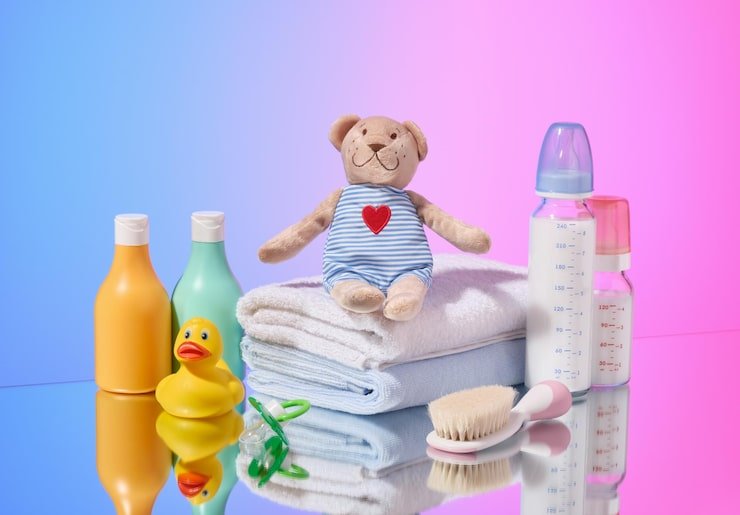
Parents in France are placing greater emphasis on products designed around the specific needs of babies and young children, particularly sensitive skin, hygiene, sun protection, and everyday convenience. Baby wipes, toiletries, skincare, sun care, diapers, hair care, and medicated products form part of this landscape. At the same time, greater attention to ingredients and packaging is encouraging brands to consider gentler formulations and more environmentally conscious product designs.
According to a Vyansa Intelligence report, France’s baby and child-specific products sector was valued at USD 455 million in 2025 and is projected to reach USD 485 million by 2032, representing a 0.92% CAGR during 2026–2032. The France baby and child-specific products market analysis identifies children's sun protection, natural formulations, sustainability, pharmacy-led purchasing, and demographic pressure as important influences on the category.
Sun Protection Is Becoming a Bigger Part of Family Care
Parents are becoming increasingly conscious of protecting children's sensitive skin from sun exposure. This is supporting interest in protective creams, gels, and lotions specifically formulated for babies and children. The underlying research indicates that sun-care awareness is becoming more integrated into family routines rather than being considered only for occasional use.
The latest market analysis suggests that this emphasis on protection can support product development even within a relatively mature category. Parents evaluating children's sun care are likely to place particular importance on formulations designed for sensitive skin, ease of application, and trustworthy product information.
Baby Wipes Combine Hygiene With Everyday Convenience
Baby wipes remain particularly important because they address frequent hygiene requirements while providing portability and ease of use. They can be incorporated into routines at home as well as during travel, making convenience a significant part of their consumer proposition.
The France baby and child-specific products industry report identifies baby wipes as the leading product segment. The research connects their continuing relevance with frequent use, sensitive-skin considerations, established product quality, and growing interest in environmentally conscious alternatives.
Natural Ingredients Are Influencing Product Expectations
Parents are increasingly attentive to ingredient lists when selecting products intended for young children. Botanical ingredients, simpler compositions, and greater formulation transparency are therefore becoming more visible across skincare, toiletries, wipes, and related categories.
These detailed market insights demonstrate why formulation has become an important point of differentiation. Products intended for babies and children operate in a category where mildness and safety expectations are especially important, encouraging manufacturers to communicate ingredients and intended uses clearly.
Sustainability Is Moving Beyond the Formula
Environmental considerations increasingly extend from ingredients to packaging. The supplied research highlights refillable formats, recyclable tubes, plant-based plastics, and other packaging approaches as relevant directions for baby and child-specific products in France.
Broader industry analysis indicates that combining practical packaging with natural formulations can help products address two consumer priorities simultaneously. However, convenience remains essential because baby-care products are often used repeatedly throughout the day. Sustainable packaging therefore needs to remain straightforward and practical for parents.
Premium Skincare Emphasizes Specialized Care
Premiumisation is creating opportunities particularly within children's skincare and sun care. Parents seeking products for sensitive skin can place greater emphasis on science-based formulations, dermatological positioning, protective functions, and multiple skincare benefits.
A market research report examining this category therefore needs to consider value beyond price alone. Products that combine moisturizing, soothing, or sun-protection functions can provide a more specialized proposition, especially when parents are looking for solutions developed specifically around children's skin.
French Cosmetic Rules Put Safety at the Centre
Baby skincare, toiletries, and other cosmetic products operate within the European cosmetics regulatory framework. France's Directorate General for Competition Policy, Consumer Affairs and Fraud Control (DGCCRF) explains that cosmetic products sold within the European Union must be safe under normal or reasonably foreseeable conditions of use. Formulations require safety evaluation, while labels must provide ingredients and other required consumer information.
This regulatory environment reinforces the importance of formulation transparency. Claims such as natural, organic, or hypoallergenic need to be communicated responsibly rather than being treated simply as promotional terminology.
Declining Births Create a Structural Constraint
France's declining birth population represents a significant challenge because fewer babies and young children directly reduce the potential consumer base for wipes, toiletries, skincare, and other age-specific products.
This demographic pressure makes product relevance increasingly important. Instead of relying solely on expanding consumer numbers, manufacturers can focus on formulation quality, product functionality, packaging improvements, and specialized solutions that address clearly defined parental requirements.
Pharmacies Provide Reassurance for Sensitive-Skin Purchases
Physical retail remains particularly important for baby and child-specific products. Pharmacies provide access to specialist products while offering an environment that parents may associate with professional advice and greater reassurance, especially for skincare and sun-care purchases.
Offline shopping also allows parents to examine labels, formulations, packaging, and usage instructions directly. Supermarkets and grocery stores complement pharmacies by providing convenient access to frequently purchased necessities such as wipes and toiletries.
Online Channels Add Convenience for Repeat Purchases
Digital retail provides parents with another route to specialist products and repeat purchases. Online parapharmacies and other digital retailers can make it easier to compare formulations, access specific products, and purchase routine baby-care necessities without visiting a physical store.
However, baby and child products remain highly trust-sensitive. Clear ingredient information, appropriate instructions, transparent product claims, and understandable descriptions become especially important when parents cannot physically examine a product before ordering.
Product Safety Extends Beyond Cosmetic Formulation
France maintains broader safety requirements for products intended for babies and young children. DGCCRF guidance explains that childcare articles must carry appropriate markings, warnings, and usage instructions and are subject to general product-safety requirements.
Although childcare equipment differs from skincare, wipes, and toiletries, this framework reflects the heightened safety expectations surrounding products designed for young children. Parents, retailers, and manufacturers all have an interest in accurate labelling, appropriate usage, and careful product selection.
Trust and Practicality Will Remain Central to French Baby Care
France's baby and child-specific products landscape is increasingly shaped by sensitive-skin requirements, sun protection, convenient hygiene products, natural formulations, sustainable packaging, and trusted purchasing environments. At the same time, demographic pressure means businesses need to compete for a more limited base of young consumers.
According to this baby and child-specific products industry report, the supplied figures indicate modest development through 2032. Products that combine gentle formulations, practical everyday use, clear information, responsible packaging, and specialized child-focused functionality can remain relevant as French parents become increasingly deliberate about what they use for their children.