Storm Damage Roofing Repairs: What Bellingham Homeowners Should Know
By StephenCarlisle 30-01-2026 200
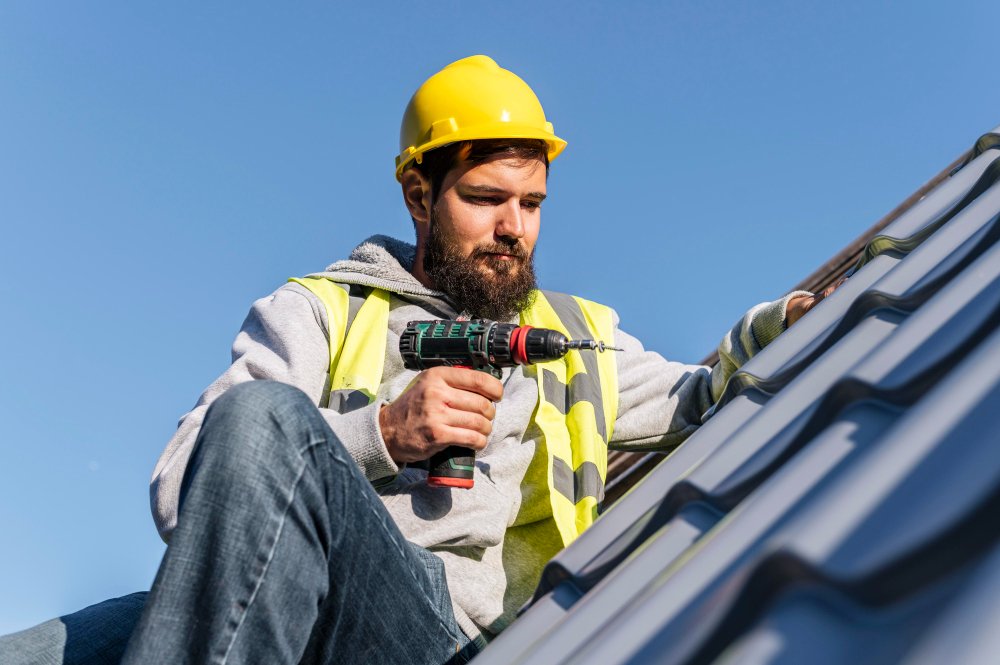
In the Pacific Northwest, we are no strangers to "the big blow" or those relentless atmospheric rivers. While the lush greenery of Whatcom County is beautiful, the same rain and wind that nourish our trees can wreak havoc on your home. For local residents, understanding the nuances of storm damage and knowing how to choose the right roofers in Bellingham WA can mean the difference between a simple patch-up and a structural nightmare.
Here is what every Bellingham homeowner should know about navigating roof repairs after a storm.
1. Spotting the "Subtle" Damage
Not all storm damage looks like a fallen Douglas fir in your living room. In our climate, the most dangerous damage is often the kind you can’t see from the driveway.
- Granule Loss: Heavy rain and occasional hail can "bald" your shingles. If you see what looks like dark sand in your gutters, your shingles have lost their UV protection and will become brittle fast.
- Lifted Tabs: High winds off Bellingham Bay can lift shingle tabs just enough to break the sealant bond. Even if they lay back down, they are no longer watertight.
- Moss-Related Vulnerability: If your roof already has moss growth (a common Bellingham battle), storms can saturate that moss, making it heavy and allowing moisture to seep under shingles as they are buffeted by wind.
2. The Timeline: Why Speed Matters
In a city that sees an average of 35+ inches of rain a year, a small leak doesn't stay small for long.
- Secondary Damage: Once water breaches the underlayment, it hits your insulation and drywall. In the damp Northwest air, mold can begin to colonize in as little as 24 to 48 hours.
- Documentation: For insurance purposes, you want an inspection as soon as it is safe to do so. Roofers in Bellingham WA who are experienced in storm restoration can provide the detailed photo documentation and "Good Faith" estimates that adjusters require.
3. Navigating the Insurance Maze
Many homeowners hesitate to call their insurance for fear of premium hikes. However, most "Acts of God" (like windstorms or falling branches) are standard covered perils.
- Local Expertise: A local roofer knows the specific building codes for the City of Bellingham. They can advocate for you, ensuring your claim covers the cost of bringing the roof up to current safety standards, not just a "quick fix."
4. Avoiding "Storm Chasers"
After a major weather event, out-of-state contractors often flock to the area. While they may offer a low price, they often disappear as soon as the check clears.
- Choose Local: Hiring established roofers in Bellingham WA ensures you have a workmanship warranty that actually means something. If a leak pops up next winter, you want a company with a local office that will answer the phone.
Protecting Your Investment
Your roof is your home’s first line of defense against the unique challenges of the Pacific Northwest. By acting quickly and choosing a local professional who understands our specific weather patterns, you can ensure your home remains dry and durable for years to come.
It is a smart move to start in the attic; it’s the "canary in the coal mine" for roofing issues. Often, a leak shows up in the attic weeks or even months before a brown spot appears on your bedroom ceiling.
Here is a quick-reference checklist you can use the next time the Bellingham clouds break.
The Post-Storm Attic Inspection Checklist
- [ ] The "Flashlight Test": Turn off the attic lights during the day. Do you see any pinpoints of daylight peeking through the roof boards? If light can get in, water definitely can.
- [ ] Dark Stains or Streaks: Look for "weeping" marks on the rafters or the underside of the roof decking. These often look like dark coffee stains or vertical streaks.
- [ ] Damp Insulation: Gently feel the insulation near the eaves and under roof vents. If it feels heavy, clumpy, or cold/damp, it has likely absorbed water from a nearby leak.
- [ ] Musty Odors: Trust your nose. If the attic smells like a damp basement or a wet dog, there is likely trapped moisture causing mildew or mold growth.
- [ ] Rusted Nails: Look at the nails protruding through the roof deck. If they are rusted or have "halos" of water staining around them, the shingles above them are likely compromised.
- [ ] Wet Vents: Check the area around the plastic or metal pipes that exit through your roof. The seals (boots) around these pipes are the #1 cause of leaks in Whatcom County.
- [ ] Interior Chimney Walls: If your chimney passes through the attic, check the masonry. If the bricks look damp or there is water trickling down the side, your chimney flashing is likely damaged.
Safety First
Please remember: Never walk on your roof while it is wet or during a windstorm. If you see any of the signs above, the safest move is to call in the professionals.
Tags : roofers in Bellingham WA