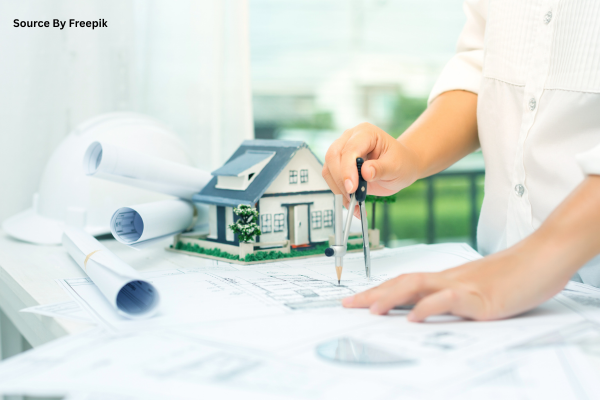
If you are thinking about building a home in West Virginia, you are not alone. Many people choose to build instead of buying an older house because it gives them more control. You can plan the layout, choose the features, and build for your future needs.
Still, the process can feel confusing at first. There are many steps, and each one matters. This guide walks you through the planning and building process in a clear way. It is written to help you understand what to expect and how to stay on track from start to finish.
Steps to Plan and Build with WV New Home Builders: A Practical Guide
The steps below follow the path most homeowners take when building a new home in West Virginia. Taking them in order can help you avoid stress and costly mistakes.
How to Plan and Build with WV New Home Builders
Start With Clear Goals for Your Home
Before anything else, you need to decide what kind of home you want. Think about how you live now and how you might live in the future. Your daily routine should guide your choices.
Ask yourself simple questions. How many bedrooms do you need? Do you work from home? Do you want most living spaces on one floor? These answers help shape the size and layout of your home.
Writing your goals down can help you stay focused later. When choices come up, you can look back and see what matters most to you.
Build a Budget You Can Stick To
Your budget is one of the most important parts of the process. It affects every decision, from land to finishes. A realistic budget includes more than just the cost to build the house.
You should plan for land costs, site preparation, permits, and utility hookups. It is also smart to leave a small buffer for changes or unexpected issues.
When you are open about your budget, builders can guide you toward options that fit your plan. This saves time and avoids frustration later.
Choose the Right Piece of Land
Where you build matters just as much as what you build. In West Virginia, land can vary a lot from one area to another. Some lots are flat and easy to build on. Others may need grading or special foundations.
Before buying land, check access to roads, water, power, and sewer or septic systems. Local zoning rules also affect what you can build.
Choosing the right land early helps keep your project moving forward without delays.
Work With an Experienced Local Builder
Once you have your goals, budget, and land in mind, it is time to choose a builder. Local experience is important. Builders who work in your area understand local codes, weather, and building conditions.
This is also when many homeowners begin working with wv new home builders who handle both planning and construction. Having one team guide the process can help keep communication clear and timelines realistic.
Ask questions about past projects, schedules, and how updates are shared. Clear communication at this stage helps set the tone for the entire build.
Finalize the Design and Floor Plan
The design phase turns your ideas into plans that can be built. This includes room sizes, layout, and how spaces connect. Simple and practical designs often work best and are easier to maintain over time.
Review your plans carefully before approving them. Changes made after construction starts can add time and cost. Taking extra time now can save you problems later.
Good design balances function, comfort, and long-term use.
Understand the Construction Timeline
Knowing what happens during construction helps you plan better. Most builds follow a similar order. Site work and the foundation come first. Framing follows, then plumbing, electrical, and heating systems. After that, interior work begins.
Weather and inspections can affect the schedule, especially in West Virginia. Regular updates from your builder help you stay informed and prepared for each phase.
Staying patient and flexible during this stage makes the process easier for everyone involved.
Prepare for the Final Walkthrough and Move-In
As construction wraps up, you will take part in a final walkthrough. This is your chance to review the home and make sure everything meets the agreed-upon plans.
Look at details, test systems, and ask questions. Small fixes are normal at this stage. Once everything is complete, you can plan your move and set up utilities.
This final step marks the transition from a project to a place you can call home.
Summary!
Building a home in West Virginia is a process that rewards planning and clear communication. When you take the time to define your goals, set a solid budget, and work with experienced professionals, the journey becomes more manageable. Each step builds on the last and helps you move forward with confidence.
If you are ready to build and want guidance that follows a clear and steady process, Blue Mountain Homes supports homeowners across West Virginia with custom home building focused on planning, structure, and long-term value.