Shingle Repair: How to Stop Small Roof Problems From Becoming Costly Damage
By Absolute Restorations 04-09-2026 3
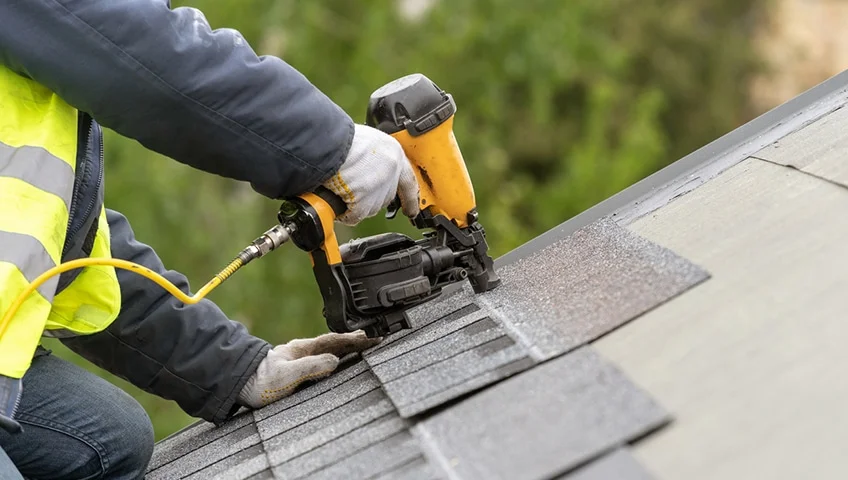
Shingle Repair can help protect a home when roofing materials become cracked, loose, lifted, or missing. For homeowners in Milwaukee, WI, dealing with these problems early can reduce the risk of water intrusion and help prevent a manageable roofing issue from turning into a much larger expense.
Roof damage rarely announces itself with a major leak. More often, it starts quietly—a few missing granules in the gutter, a shingle that has lifted after strong winds, or an edge that has begun to curl. These signs may seem minor, particularly when everything inside the house looks dry. But shingles form part of a layered roofing system, and even a small failure can create an opening for moisture.
Knowing which warning signs matter, what causes them, and when professional attention is appropriate can help homeowners protect their property and make informed roofing decisions.
Warning Signs of Damaged Roof Shingles
Some roofing problems are easy to recognize, while others are subtle enough to go unnoticed for months. Regular visual checks from a safe location can help homeowners spot changes before they become more serious.
Watch for:
- Missing or displaced shingles
- Cracks, splits, or broken corners
- Curling or lifted edges
- Areas with significant granule loss
- Loose materials following high winds
- Hail impact marks or bruising
- Shingle debris around the property
- Dark areas that may indicate moisture
- Deterioration around flashing or roof penetrations
A visible defect does not necessarily mean water is already entering the house. However, it can weaken the roof's ability to keep precipitation out.
This is particularly important after severe weather. Wind may disturb shingles without removing them completely, while hail can create damage that is difficult to identify from the ground. A roof that looks acceptable from a distance may still deserve a closer professional assessment.
What Causes Shingles to Deteriorate?
Roofing materials are designed to withstand years of exposure, but no shingle remains unaffected by weather and age.
Wind can lift shingles and compromise the seals that help keep them in place. Hail can leave impact marks, fractures, or weakened areas. Falling branches can cause direct physical damage, while repeated exposure to sunlight gradually affects the flexibility and surface of the material.
Temperature changes also matter. Roofing materials expand and contract as conditions change, and repeated cycles can contribute to cracking or premature deterioration. During winter, snow and ice add another layer of stress, especially when an already aging roof has existing weaknesses.
Age is an equally important consideration. As shingles approach the later part of their service life, curling, brittleness, granule loss, and surface wear become more common.
The cause matters because the visible damage may not tell the whole story. A single broken shingle caused by a fallen branch is very different from widespread deterioration across an aging roof.
When Individual Shingle Replacement Makes Sense
A damaged roof does not automatically require complete replacement.
When the problem is isolated and the surrounding roofing materials remain in good condition, individual shingle replacement can often address the affected area without disturbing the entire system. The objective is to restore the roof's protective surface and maintain proper water drainage.
Before replacing a damaged piece, however, the surrounding area should be evaluated. Nearby shingles may have lost their flexibility, fasteners may have been affected, or moisture may have reached the underlayment or decking.
A repair that addresses only what is visible may not resolve an underlying problem.
That is why professional evaluation is valuable. It can distinguish between an isolated defect and a symptom of broader deterioration, helping the homeowner avoid both unnecessary replacement and inadequate repairs.
Why Delaying a Small Roofing Problem Can Backfire
A compromised shingle may create a pathway for moisture to reach the layers beneath it. Those materials are essential to the roofing system but are not designed to remain exposed to persistent water.
If moisture continues to enter, it can eventually affect:
- Roof decking
- Underlayment
- Attic insulation
- Structural wood components
- Ceilings and interior walls
The visible leak may appear far from the original point where water entered. This can make diagnosis more complicated and allow hidden damage to develop before the homeowner realizes there is a problem.
Prompt attention does not necessarily mean rushing into a major project. It simply means having the condition evaluated before exposure, weather, and time make the situation more difficult.
Repair or Roof Replacement: How to Know the Difference
One of the most common questions homeowners have is whether damaged shingles can be repaired or whether the roof has reached the point of replacement.
A localized damaged shingle repair may be appropriate when:
- Only a small area is affected
- Most of the roof remains in sound condition
- The roofing system is relatively young
- There is no evidence of widespread moisture damage
- Previous repairs have not become a recurring issue
Replacement becomes more likely when deterioration extends across multiple sections, leaks continue despite previous work, or the roofing system is significantly aged.
The number of damaged shingles is only one part of the decision. Roof age, material condition, installation history, underlying damage, ventilation, and previous repairs can all influence the recommendation.
The right solution should therefore be based on the condition of the entire system—not simply the most noticeable defect.
Why a Professional Roof Assessment Is Worthwhile
Roofing can look straightforward from the ground, but proper diagnosis often requires examining details that are easy to miss.
An experienced contractor can assess shingles along with valleys, flashing, roof edges, penetrations, and other vulnerable areas. They can also look for indications that water has moved beneath the visible surface.
This becomes especially important after hail or wind events. Some storm damage is subtle at first and may become more serious if left exposed to subsequent weather.
There is also a safety consideration. Walking on a sloped roof can be hazardous, particularly when the surface is wet, icy, or damaged. Rather than risking a fall to inspect a questionable area, homeowners can arrange for a qualified professional to perform the assessment.
How to Choose a Roofing Contractor
Selecting a contractor should involve more than comparing estimates.
Look for a roofing company that communicates clearly, explains the condition of the roof, provides a defined scope of work, and answers questions without pressuring you into unnecessary services. Experience, licensing, workmanship, and familiarity with storm-related claims are also important considerations.
A reliable contractor should be able to explain whether the problem is localized, what work is necessary, and what homeowners can reasonably expect from the recommended solution.
With more than 28 years of experience, Absolute Restorations helps homeowners evaluate roofing concerns and understand their options. The team provides licensed service and insurance claim support while focusing on practical recommendations based on the condition of the property.
Protecting Your Roof After Repairs
Repairing a damaged area is only one part of maintaining a dependable roofing system. Simple maintenance can help reduce avoidable problems and extend the useful life of existing materials.
Keep gutters and downspouts clear so water can drain away efficiently. Trim branches that hang over the roof and remove conditions that could contribute to unnecessary wear. After significant weather, check the roof from a safe vantage point for missing materials or visible changes.
Pay attention to interior warning signs as well. A new ceiling stain, damp attic insulation, musty odor, or unexplained moisture can indicate that water is entering somewhere above.
Keeping documentation of previous roofing work can also help. Installation dates, repair records, material information, and inspection reports give contractors useful background when evaluating the system later.
FAQs About Shingle Damage and Repairs
1. What are the most common signs of damaged shingles?
Missing, cracked, curled, lifted, or heavily worn shingles are common warning signs. Granules collecting in gutters, visible storm impact, and unexplained moisture inside the home can also indicate that the roof needs attention.
2. Can one missing shingle cause a roof leak?
Yes. A missing shingle can expose the layers underneath to rain and melting snow. However, a leak should be professionally diagnosed because water can travel beneath roofing materials before appearing inside the home.
3. Can damaged shingles be replaced without replacing the whole roof?
Often, yes. If the damage is limited and the surrounding roofing system remains healthy, replacing the affected materials may be sufficient. An inspection can determine whether the issue is genuinely localized.
4. Should a roof be inspected after a hailstorm?
A post-storm inspection can be worthwhile because hail damage is not always easy to see from the ground. Identifying damaged materials early can help reduce the possibility of delayed moisture problems.
5. When is roof replacement more appropriate than repair?
Replacement may make more sense when deterioration is widespread, leaks repeatedly return, the roof is nearing the end of its service life, or underlying components have sustained significant damage.
6. How much does repairing damaged shingles cost?
There is no single price that applies to every roof. The cost can depend on the number of affected shingles, roof accessibility, material type, labor requirements, and whether damage extends beneath the visible surface. A professional assessment provides a more accurate basis for determining the scope of work.
Final Thoughts
A few damaged shingles may not look like a serious concern, but the roof's protective system depends on every layer working together. Addressing visible problems early can help limit moisture exposure, protect underlying materials, and give homeowners more options before deterioration spreads. Regular maintenance and professional evaluations after severe weather can also support better long-term roof performance.
Protect Your Home Before a Small Roofing Problem Grows
Don't wait for a minor roofing concern to become an interior water problem. Absolute Restorations can evaluate damaged areas, explain what is happening, and help you determine whether a targeted repair or a larger roofing solution makes sense. Contact the team today to schedule a professional evaluation and take the next step toward a safer, more dependable roof.
Tags : Shingle Repair