Saudi Arabia’s industrial landscape is undergoing rapid transformation as infrastructure expansion, manufacturing growth, and energy sector investments continue to reshape the country's development priorities. These projects require reliable fabrication and metalworking capabilities, encouraging businesses to adopt cost-efficient equipment strategies instead of investing heavily in machinery ownership. As a result, rental solutions have become an increasingly practical choice for contractors handling projects with varying operational requirements.
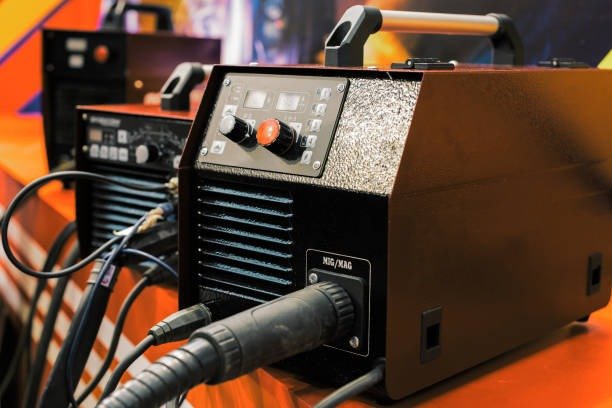
The Saudi Arabia Welding Machine Rental Market is becoming an important part of this transition by supporting industries that require flexible access to advanced welding equipment. According to the latest industry assessment, the market was valued at around USD 52 million in 2025 and is projected to reach nearly USD 89 million by 2032, expanding at a CAGR of approximately 7.98% during 2026–2032. Businesses seeking insights into industrial welding equipment rental trends are increasingly evaluating how rental services are supporting operational efficiency across diverse industries.
Rather than purchasing expensive equipment that may remain idle between projects, companies are choosing rental providers that offer access to modern welding technologies, maintenance support, and flexible rental periods. This shift is helping businesses reduce capital expenditure while ensuring access to equipment capable of meeting demanding project specifications.
Infrastructure Development Continues to Drive Equipment Rentals
Saudi Arabia continues to invest significantly in transportation networks, industrial zones, commercial developments, and large-scale urban projects. These initiatives require extensive steel fabrication, pipeline installation, and structural welding, creating sustained demand for professional welding equipment. Since project requirements often vary in duration and complexity, renting machines allows contractors to scale operations without making substantial upfront investments.
Large infrastructure developments also require specialized welding technologies capable of handling diverse materials and challenging operating conditions. Rental providers help bridge this gap by offering a wide range of equipment suitable for construction, fabrication, and heavy engineering applications while ensuring timely maintenance and technical support.
Manufacturing Sector Encourages Flexible Equipment Access
Saudi Arabia's growing manufacturing industry is creating additional opportunities for welding equipment rental companies. Manufacturers involved in metal fabrication, automotive components, industrial machinery, and engineered products often experience fluctuating production schedules. Renting welding machines enables these businesses to increase production capacity when required without permanently expanding their equipment fleet.
The availability of technologically advanced welding systems also enables manufacturers to adopt newer production methods while avoiding the financial risks associated with frequent equipment upgrades. This flexibility becomes increasingly valuable as industrial automation and precision manufacturing continue to evolve.
Oil and Gas Projects Strengthen Market Demand
The Kingdom's oil and gas industry remains one of the largest consumers of industrial welding equipment. Pipeline construction, refinery maintenance, offshore platforms, petrochemical facilities, and storage infrastructure require continuous welding operations supported by reliable equipment.
Rental solutions are particularly beneficial during maintenance shutdowns and expansion projects, where temporary demand for specialized welding systems can increase significantly. Instead of purchasing equipment for short-term projects, operators can access the required machinery through rental agreements that align with project timelines.
Industry analysts also note that equipment rental supports operational efficiency by allowing organizations to utilize application-specific machines without maintaining extensive inventories throughout the year. This flexibility has become increasingly valuable across industrial maintenance activities. According to the International Energy Agency (IEA), continued industrial investment across energy infrastructure is supporting demand for specialized engineering equipment worldwide.
Technology Is Enhancing Rental Service Offerings
Modern welding equipment incorporates advanced features including digital controls, inverter technology, improved energy efficiency, and enhanced welding precision. Rental providers are increasingly expanding their fleets to include these advanced systems, allowing customers to access modern technology without significant capital expenditure.
Many rental companies are also providing complementary services such as equipment delivery, preventive maintenance, operator guidance, technical inspections, and rapid replacement support. These value-added services improve equipment reliability while minimizing project downtime, making rental solutions increasingly attractive for both large contractors and small fabrication businesses.
Operational Cost Management Remains a Key Advantage
Cost optimization continues to influence equipment procurement decisions across industries. Purchasing industrial welding equipment requires significant investment, along with ongoing expenses related to maintenance, storage, calibration, repairs, and equipment depreciation. Rental arrangements help organizations convert these fixed costs into predictable operational expenses that can be aligned with individual project budgets.
This financial flexibility is particularly beneficial for small and medium-sized enterprises that require professional-grade equipment but prefer preserving capital for business expansion and workforce development.
Future Outlook
Saudi Arabia's expanding industrial ecosystem, supported by infrastructure development, manufacturing growth, and continued investment in energy projects, is expected to sustain demand for professional equipment rental services over the coming years. With the market projected to increase from USD 52 million in 2025 to approximately USD 89 million by 2032, reflecting a CAGR of around 7.98%, rental solutions are likely to remain an important operational strategy for businesses seeking flexibility, efficiency, and access to advanced welding technologies. As industries continue prioritizing productivity and cost optimization, equipment rental providers are expected to play an increasingly important role in supporting Saudi Arabia's evolving industrial landscape.