Repair or Replace? How Technicians Evaluate Damaged Vehicle Panels
By Carstar Spectrum Auto Cortlandt Inc 21-08-2026 49
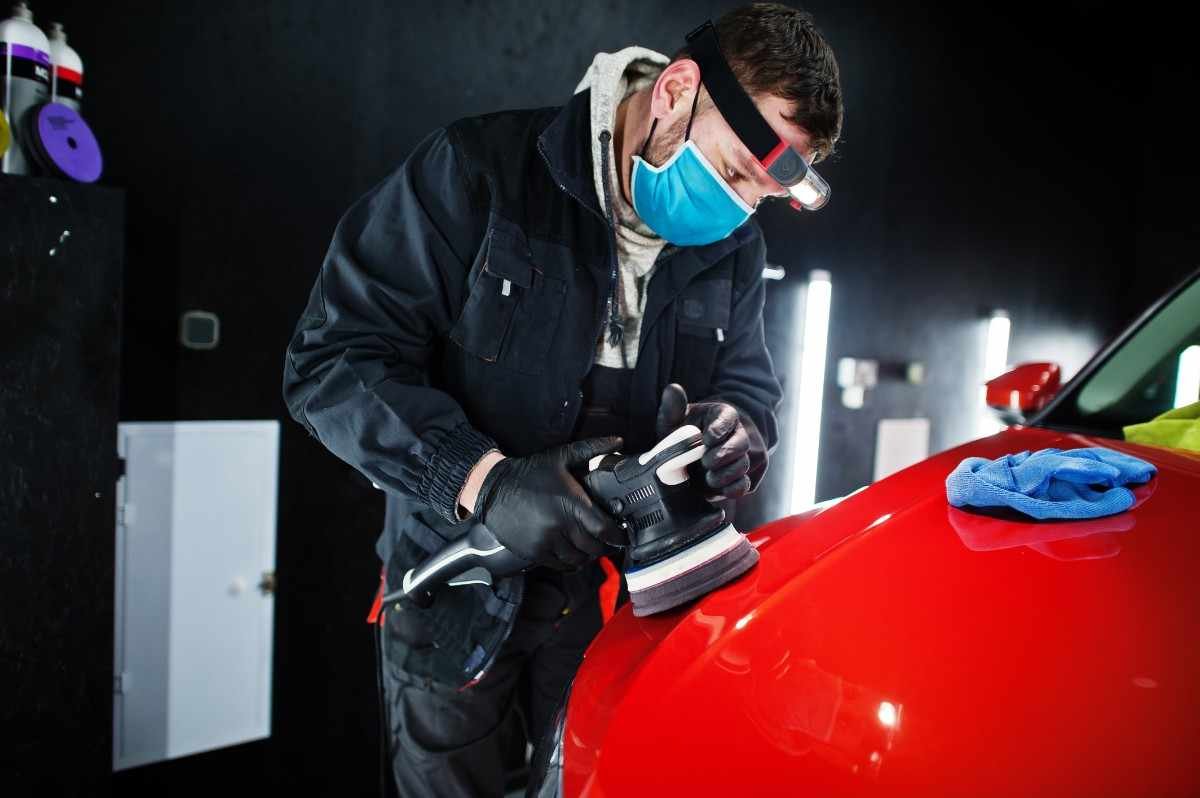
After a collision, one of the most pressing questions drivers face is whether a dented fender, crumpled door, or scratched quarter panel can be repaired or if it must be completely replaced. At first glance, a deep crease might look catastrophic to a vehicle owner, while a subtle crease across a body line seems simple. However, professional auto body assessment relies on precise engineering principles rather than visual surface appearances alone.
When you bring your vehicle in for a comprehensive collision repair Cortlandt Ny evaluation, body technicians follow strict Original Equipment Manufacturer (OEM) guidelines to determine the safest, most cost-effective path forward.
Deciding between panel repair and panel replacement is a science governed by metallurgy, structural integrity, technology integration, and safety standards. Here is an insider’s look at how professional estimators and technicians evaluate damaged vehicle panels.
Key Factors Technicians Use to Evaluate Panel Damage
Technicians do not guess whether to fix or swap a panel. They conduct a rigorous multi-point assessment to evaluate how the metal or composite material reacted to kinetic impact forces.
1. The Substrate Material (Steel vs. Aluminum vs. UHSS)
The chemical makeup of your vehicle's body dictates what can and cannot be reshaped:
Mild Steel: Highly malleable. Technicians can carefully reshape mild steel panels using specialized hammer-and-dolly techniques or stud-pullers without compromising strength.
Aluminum: Lacks "metal memory" and work-hardens rapidly. While repairable, reshaped aluminum requires specialized heating tools and cleanroom environments.
Ultra-High-Strength Steel (UHSS): Commonly used in door intrusion beams and structural pillars. Applying heat or mechanical pulling force to UHSS alters its molecular structure, making it brittle. These panels must be replaced to maintain crash protection.
2. Severity and Location of Metal Stretching
When metal is impacted, it doesn't just bend—it stretches. If an impact forces metal beyond its elastic limit, the panel becomes thin and loses structural rigidity. If a dent sits along a sharp body line or structural flange, straightening it requires excessive body filler, which can crack over time.
If you need trusted car body repair in Cortlandt, ensuring technicians measure metal tension before reshaping panels is essential.
3. Labor Cost vs. New OEM Component Price
Automotive repair economics play a significant role. If pulling, metal-finishing, and smoothing a panel takes six hours of labor, but a brand-new OEM panel costs less than three hours worth of shop time, replacing the panel is both safer and more economical for you and your insurance provider.
The Role of Advanced Vehicle Electronics and Sensors
Modern vehicles are loaded with complex Advanced Driver Assistance Systems (ADAS). Blind-spot monitoring radars, parking sensors, and lane-departure cameras are frequently mounted directly behind plastic bumper covers and quarter panels.
Excessive body filler over a bumper or fender panel can block millimeter-wave radar signals. If a panel housing a safety sensor is distorted, even a microscopic misalignment will trigger fault codes or cause safety systems to malfunction.
For high-tech luxury vehicles and electric cars, working with a certified specialist—such as a Tesla-Certified Collision Center Cortlandt Ny drivers rely on—ensures replacement panels and sensor brackets are aligned to precise factory tolerances.
The Step-by-Step Evaluation Process
When an estimator reviews collision damage, they execute a systematic four-step teardown and diagnostic procedure:
1. Visual and Physical Surface Inspection
Technicians clean the damaged panel thoroughly and use specialized line-boards or light bars to map out every shadow, crease, and high spot across the surface. This process helps reveal micro-cracks, stress lines, and other damage that may not be visible during an initial inspection.
2. 3D Measuring and Backside Assessment
Technicians determine metal thickness and inspect internal bracing access. Using digital measuring equipment or removing interior door trim, technicians inspect the inner side of the panel to determine whether internal intrusion beams or safety reinforcement bars were bent.
3. Electronic ADAS Pre-Scan
A full computer scan checks for diagnostic trouble codes (DTCs) and determines whether blind-spot modules, proximity sensors, or other electronic components behind the damaged panel have suffered electrical or calibration damage.
4. Formulating the OEM Repair Plan
The estimator compares labor requirements with the cost and availability of OEM replacement parts. A detailed repair blueprint is then created to determine whether the panel should undergo metal reshaping or be replaced with a factory component.
Why Comprehensive Mechanical and Body Care Is Essential
Evaluating a damaged panel isn't just about restoring cosmetics—it’s about verifying that the entire corner of the vehicle is structurally sound. Panel damage can conceal secondary mechanical damage to suspension arms, wheel hubs, or steering linkages.
Choosing a facility equipped to handle both bodywork and full mechanical repair services Cortlandt Ny ensures your vehicle undergoes proper wheel alignment, suspension inspection, and sensor calibration under one roof.
Selecting an experienced team like CARSTAR Spectrum Auto Inc guarantees certified estimators evaluate every crease using factory-approved guidelines. Whether your vehicle requires delicate Paintless Dent Repair (PDR) or complete panel replacement, working with a top-rated auto body repair Cortlandt Ny center helps ensure your car leaves looking beautiful and performing safely.
Frequently Asked Questions (FAQs)
1. Does replacing a panel lower my car’s resale value more than repairing it?
Not when done correctly using genuine OEM parts. A factory replacement panel bolted on and painted to match original specifications can preserve your vehicle’s structural integrity and appearance better than a heavily repaired panel with excessive body filler.
2. What is Paintless Dent Repair (PDR), and when can it be used?
Paintless Dent Repair (PDR) is a technique that massages dented metal back into its original shape from behind without disturbing the factory paint. It is ideal for hail damage, minor door dings, and shallow dents where the paint layer has not cracked or stretched excessively.
3. Why do insurance companies sometimes prefer panel repair over replacement?
Insurance policies aim to restore vehicles to their pre-accident condition at a fair cost. If repairing a panel requires fewer labor hours than purchasing and refinishing a new OEM part, insurance adjusters may recommend repair, provided safety and manufacturer requirements are not compromised.
4. Can plastic bumper covers always be repaired?
Not always. Minor scuffs, small punctures, and shallow dents in plastic bumpers can often be plastic-welded and refinished. However, if mounting tabs, sensor brackets, or structural clips are damaged, replacing the bumper cover may be necessary for proper fitment and function.
5. How long does panel replacement take compared to panel repair?
Minor panel repair can take approximately 2 to 3 days, including preparation and paint time. Panel replacement often depends on OEM part availability. Once the new part arrives, installation, preparation, painting, and refinishing typically take around 3 to 5 business days.
Tags : .....