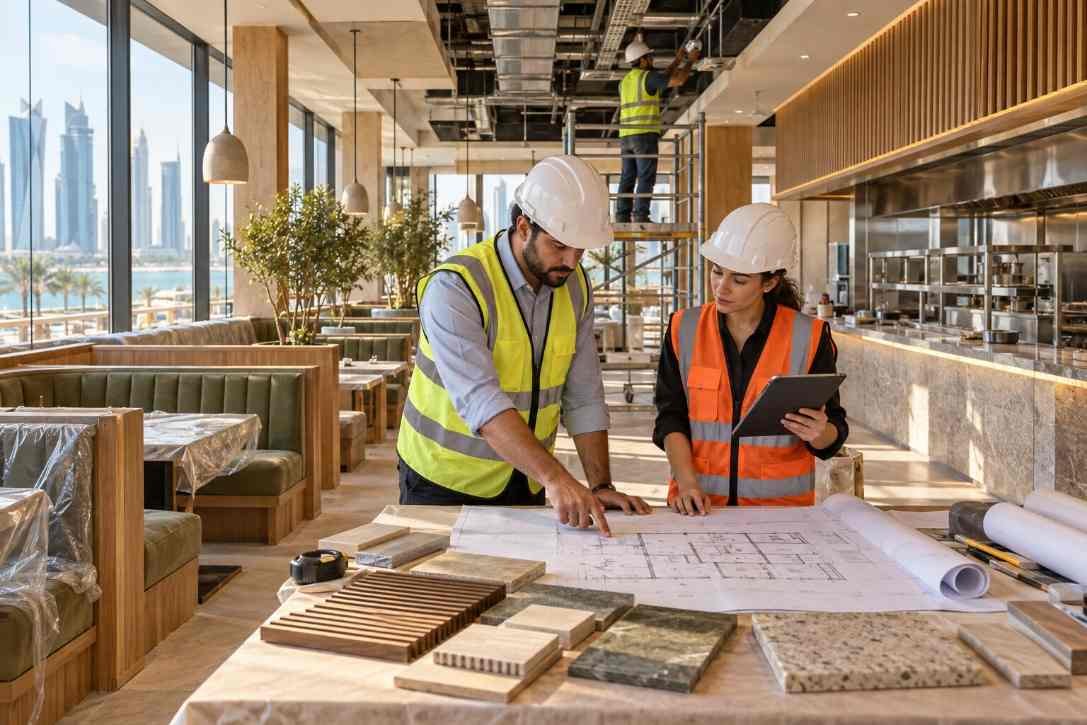
Taking on a major home project is an exciting opportunity to create a space that better reflects your lifestyle, needs, and personal taste. However, one of the biggest decisions homeowners face is whether to renovate their existing property or tear it down and start again. Both options can produce impressive results, but they involve different costs, timelines, design considerations, and levels of complexity.
Understanding the advantages and challenges of renovation and rebuilding can help you make a confident decision. Whether your goal is to modernize an outdated house or create an entirely new living environment, careful planning is the foundation of a successful project.
Understanding the Difference Between Renovating and Rebuilding
A renovation involves improving or modifying an existing structure. Depending on the condition of the property and the homeowner's goals, this could mean updating a kitchen, adding a bathroom, changing the floor plan, improving energy efficiency, or completely transforming the interior.
Rebuilding, on the other hand, generally means removing most or all of the existing structure and constructing a new home on the same property. This approach provides much greater freedom when it comes to layout, materials, functionality, and architectural style.
The right choice depends on several factors, including the existing home's structural condition, your budget, property restrictions, and how closely the current house matches your long-term needs.
Start by Evaluating Your Existing Home
Before deciding between renovation and rebuilding, take an honest look at the current property. A professional inspection can reveal problems that may not be obvious during a normal walkthrough.
Pay attention to the foundation, roof, plumbing, electrical systems, insulation, windows, and structural framework. If the home has serious structural issues, renovating may become significantly more expensive than expected.
You should also consider the home's layout. Some houses have strong foundations and attractive architectural features but suffer from outdated floor plans. In such cases, renovation can be a practical way to preserve the property's character while improving functionality.
However, if the existing structure prevents you from achieving the layout and features you want, rebuilding may provide a better long-term solution.
When Renovation Makes More Sense
Renovation is often the preferred choice when the existing home has a solid structure and many features worth preserving. It can allow homeowners to improve their property without completely starting over.
For example, a family may want to create an open-concept kitchen and living area, add more storage, upgrade bathrooms, or convert an unused room into a home office. These improvements can dramatically change how a house feels without requiring a complete rebuild.
Renovation may also make sense when you appreciate the location and character of the existing home. Older properties sometimes have unique architectural details, mature landscaping, or layouts that would be difficult to recreate from scratch.
A thoughtful home renovation design can combine the best aspects of the existing structure with modern functionality. By carefully coordinating colors, materials, lighting, furniture layouts, and architectural details, homeowners can create a cohesive space rather than a collection of disconnected updates.
When Rebuilding Is the Better Choice
There are situations where rebuilding provides more value than renovation. If a home has significant structural damage, outdated infrastructure, or a fundamentally inefficient layout, renovation costs can quickly increase.
Rebuilding allows you to start with a clean slate. Instead of working around existing walls, plumbing locations, ceiling heights, or structural limitations, you can design the home around your current and future lifestyle.
This is particularly valuable for homeowners who want features such as larger entertaining areas, multiple home offices, improved accessibility, energy-efficient systems, smart-home technology, or customized bedrooms and bathrooms.
A custom home design also gives homeowners greater control over how spaces connect with one another. From the placement of windows and natural light to the relationship between indoor and outdoor areas, nearly every aspect can be planned according to personal preferences.
Consider Your Budget Carefully
Budget is one of the most important factors in the renovation-versus-rebuild decision. Neither option should be evaluated based solely on the initial construction estimate.
Renovations can sometimes uncover unexpected problems once walls or floors are opened. Old wiring, damaged plumbing, water intrusion, mold, or structural weaknesses can increase costs.
Rebuilding may have higher upfront expenses, but it can provide greater predictability because the project is designed from the ground up. Nevertheless, demolition, permits, architectural services, construction, landscaping, and temporary accommodation can all add to the total cost.
Create a realistic budget that includes a contingency fund for unexpected expenses. It is also wise to prioritize essential improvements before allocating money toward cosmetic features.
Think About Your Long-Term Lifestyle
A successful home project should not only solve today's problems. It should also support your future lifestyle.
Think about how your household may change over the next five, ten, or twenty years. Will you need additional bedrooms? Could you eventually require a home office, guest suite, accessible bathroom, or larger entertaining space?
Renovation can work well when your future needs can be accommodated within the existing structure. However, rebuilding may be more appropriate if you already know that your current home cannot realistically support those changes.
Planning for the future can also improve the property's functionality and potentially increase its resale appeal.
Pay Attention to Energy Efficiency
Energy efficiency should be an important consideration regardless of whether you renovate or rebuild. Improvements such as better insulation, efficient windows, LED lighting, modern heating and cooling systems, and energy-efficient appliances can reduce ongoing operating costs.
A new construction project may provide more opportunities to integrate efficient systems from the beginning. However, renovation projects can also achieve substantial improvements through targeted upgrades.
Natural light should also be considered during the planning process. Proper window placement, skylights, and thoughtful room orientation can make interiors brighter and more comfortable while reducing dependence on artificial lighting during the day.
Understand Local Regulations and Permits
Major home projects often require permits and must comply with local building codes, zoning requirements, property restrictions, and safety standards.
Renovations may require approvals depending on the extent of structural changes. Rebuilding typically involves a more comprehensive approval process because virtually every part of the new structure must meet current requirements.
Before making major financial commitments, research the applicable regulations and work with qualified professionals who understand local requirements. This can prevent expensive delays and design changes later in the project.
Work With the Right Professionals
Whether you choose renovation or rebuilding, professional guidance can make a major difference. Architects, designers, builders, engineers, and contractors each bring specialized knowledge to different stages of the process.
The right team can help you evaluate the existing property, develop realistic plans, estimate costs, select appropriate materials, and coordinate construction.
Communication is particularly important. Make sure your design team understands your priorities, budget, lifestyle, and expectations before construction begins. Clear communication can reduce misunderstandings and help keep the project aligned with the original vision.
Create a Clear Project Plan
Once you have chosen renovation or rebuilding, develop a detailed project plan. Establish priorities and determine which improvements are essential and which can be postponed.
For a renovation, consider dividing the project into stages if completing everything at once is financially or practically difficult. For a rebuild, establish the architectural concept, floor plan, materials, construction schedule, and budget before work begins.
A clear plan helps you make informed decisions instead of making expensive changes halfway through construction.
Think Beyond Appearance
Beautiful design is important, but a successful home project should also focus on functionality. A visually impressive kitchen is not useful if it lacks adequate storage or creates poor traffic flow. Similarly, a spacious living room may not work well if furniture placement and lighting have not been considered.
Every design decision should balance appearance, comfort, durability, and practicality.
Think about how you move through the home, where you naturally spend time, how much storage you need, and how different rooms will be used throughout the day.
Making the Final Decision
There is no universal answer to whether renovating or rebuilding is better. The decision depends on the condition of your existing home, your goals, budget, timeline, and long-term plans.
Choose renovation when the structure is sound, the location and character are valuable, and your desired improvements can realistically be achieved within the existing framework.
Choose rebuilding when structural problems are extensive, the existing layout cannot meet your needs, or you want complete control over the home's design and functionality.
Conclusion
Renovating or rebuilding a home is a significant investment, but thoughtful planning can turn the process into an opportunity to create a more comfortable and functional living environment. Start by assessing your existing property, defining your priorities, establishing a realistic budget, and considering how your lifestyle may evolve.
Whether you choose a carefully planned renovation or a completely new custom home design, the goal should be the same: creating a home that works for you today while remaining adaptable for the future. With the right strategy, professional guidance, and attention to both design and functionality, your next home project can deliver lasting value and satisfaction.
Tags : .....