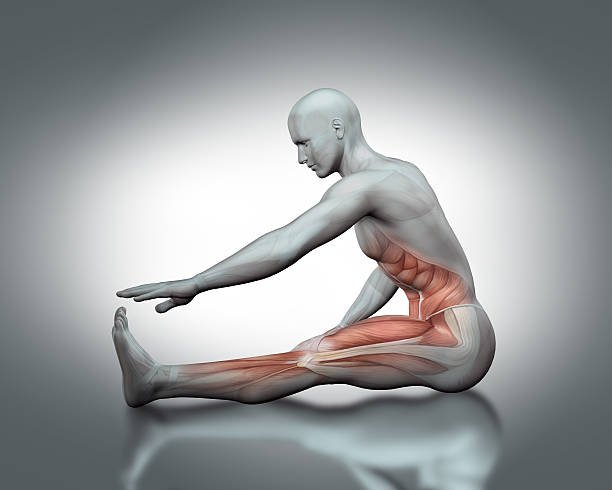
Many people experience lower back pain, hip discomfort, or stiffness without realizing that a deep core muscle may be contributing to their symptoms. The psoas muscle plays a crucial role in posture, movement, and stability. When this muscle becomes tight or irritated, it can lead to discomfort and mobility issues often associated with psoas syndrome. Fortunately, incorporating psoas muscle stretches into a regular routine can help reduce tension, improve flexibility, and support overall musculoskeletal health.
Whether you spend long hours sitting at a desk, participate in sports, or simply want to improve your mobility, understanding the importance of the psoas muscle can help you move more comfortably and efficiently.
Understanding the Psoas Muscle
The psoas muscle is one of the body's primary hip flexors. It connects the lower spine to the upper thigh bone and plays an important role in walking, running, standing, and maintaining posture.
Because the psoas is involved in so many daily movements, prolonged sitting, repetitive activities, poor posture, or muscle imbalances can cause it to become tight or overworked. When this occurs, individuals may experience discomfort in the lower back, hips, pelvis, or groin area.
A healthy psoas muscle contributes to efficient movement patterns, while a restricted psoas can affect overall body mechanics and lead to compensatory strain in surrounding muscles.
What is Psoas Syndrome?
Psoas syndrome is a condition that occurs when the psoas muscle becomes irritated, inflamed, or excessively tight. The condition can cause pain and functional limitations that affect everyday activities.
Symptoms of psoas syndrome may include lower back pain, hip discomfort, groin pain, difficulty standing upright, or pain during activities such as climbing stairs, walking, or running.
Athletes, office workers, and individuals who spend long periods sitting are particularly susceptible because prolonged hip flexion can increase tension within the muscle over time.
Early recognition and appropriate treatment can help prevent symptoms from becoming more severe and improve overall recovery outcomes.
Why Psoas Muscle Stretches are Important
Stretching the psoas muscle regularly helps counteract the effects of prolonged sitting and repetitive movements.
When performed correctly, psoas muscle stretches can improve flexibility, enhance posture, and reduce unnecessary stress on the lower back and hips. These stretches also promote better movement efficiency, making everyday activities feel easier and more comfortable.
For individuals experiencing symptoms related to psoas syndrome, stretching is often an important component of a comprehensive rehabilitation program.
Benefits of Psoas Muscle Stretches
Regular stretching offers several advantages for both injury prevention and overall mobility.
Improved Hip Flexibility
Tight hip flexors can restrict movement and contribute to discomfort.
- Psoas muscle stretches help lengthen the muscle, allowing the hips to move more freely during walking, exercise, and daily activities. Improved flexibility also reduces strain on surrounding structures.
- Greater hip mobility can support better athletic performance and make common movements such as bending and climbing stairs more comfortable.
Reduced Lower Back Tension
The psoas muscle has a direct connection to the lumbar spine.
- When the muscle becomes excessively tight, it can pull on the lower back and contribute to discomfort. Stretching helps relieve this tension and promotes a more balanced posture.
- Reduced stress on the lumbar region may also decrease the likelihood of recurring back pain episodes.
Better Posture and Movement
A healthy psoas supports proper alignment.
- Stretching helps counteract the effects of prolonged sitting, encouraging a more upright posture and efficient movement patterns throughout the day.
- Improved posture often results in reduced muscle fatigue and greater overall comfort during work and recreational activities.
Effective Psoas Muscle Stretches
Several stretches can help improve psoas flexibility when performed consistently and safely.
Kneeling Hip Flexor Stretch
This is one of the most commonly recommended stretches for the psoas muscle.
- By placing one knee on the floor and gently shifting the hips forward, individuals can create a controlled stretch through the front of the hip and upper thigh region.
- Maintaining proper posture during the movement helps target the psoas more effectively while avoiding unnecessary strain on the lower back.
Low Lunge Stretch
The low lunge position provides a deeper stretch for the hip flexors.
- This stretch encourages hip extension while simultaneously improving flexibility throughout the pelvis and lower body.
- Consistent practice can help relieve tightness associated with prolonged sitting and repetitive movement patterns.
Standing Hip Extension Stretch
For individuals who prefer a simple option, standing stretches can be effective.
- Gentle hip extension movements help lengthen the psoas muscle while promoting better mobility and circulation throughout the hip region.
Managing Psoas Syndrome Beyond Stretching
While stretching is important, addressing psoas syndrome often requires a more comprehensive approach.
Strengthening Supporting Muscles
Strong core and gluteal muscles help reduce excessive stress on the psoas.
- Targeted strengthening exercises improve stability around the pelvis and lower back, allowing the psoas muscle to function more efficiently.
- Balanced muscle development also helps prevent recurring symptoms and improves movement mechanics.
Improving Daily Habits
Lifestyle factors often contribute to psoas tightness.
- Taking regular breaks from sitting, maintaining good posture, and incorporating movement throughout the day can significantly reduce strain on the hip flexors.
Seeking Professional Guidance
Persistent symptoms may require expert assessment.
- Physiotherapists can evaluate movement patterns, identify contributing factors, and develop personalized treatment programs that address both symptoms and underlying causes.
When to Seek Professional Help
Although mild tightness often responds well to stretching and activity modification, some situations require professional attention.
Individuals should consult a healthcare professional if they experience:
- Persistent hip, groin, or lower back pain that does not improve despite regular stretching and self-care efforts.
- Difficulty walking, exercising, or performing daily activities because of discomfort or restricted mobility.
- Symptoms that worsen over time or significantly affect quality of life and physical performance.
Early intervention can help prevent chronic issues and support faster recovery.
Conclusion
The psoas muscle plays a vital role in movement, posture, and overall physical function. When this muscle becomes tight or irritated, it can contribute to discomfort commonly associated with psoas syndrome. Fortunately, regular psoas muscle stretches can help improve flexibility, reduce tension, and support healthier movement patterns.
By combining stretching with strengthening exercises, proper posture, and healthy daily habits, individuals can improve mobility and reduce the risk of recurring symptoms. Taking a proactive approach to psoas health can make a significant difference in comfort, performance, and overall well-being.
If hip tightness, lower back discomfort, or symptoms of psoas syndrome are affecting your daily life, consider seeking professional guidance. A personalized mobility and rehabilitation plan can help you incorporate effective psoas muscle stretches, improve flexibility, and restore comfortable movement for the long term.