Precision and Progress: The Future of Bone and Joint Care in the Capital
By Dr. Atul Mishra 26-03-2026 76
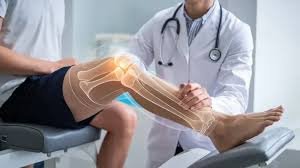
The healthcare landscape in India is undergoing a major transformation, and the capital region is at the forefront of this medical revolution. For those living with the daily grind of arthritis, old sports injuries, or degenerative joint disease, finding a top orthopaedic doctor in Delhi is no longer just about seeking a second opinion; it is about accessing world-class technology that was once only available in a few centres abroad.
The shift toward robotic-assisted surgeries has completely redefined patient expectations and surgical outcomes. At a leading orthopaedic clinic in Delhi, the focus has moved from simple mechanical repair to high-precision biological reconstruction. This is particularly important for the ageing population in the city who want to maintain an independent, active lifestyle without being hindered by debilitating joint issues that make even moving around the house a challenge.
Expanding the Search for Excellence in NCR
The search for the best orthopaedic doctor in Delhi NCR often leads patients to realise that the latest medical advancements are closer than they think. The entire NCR region, including Gurgaon and Noida, has become a hub for specialised orthopaedic care. Robotic joint replacement offers a level of customisation that is truly revolutionary. By creating a 3D model of the patient's joint from a CT scan, the system enables the surgeon to stay within a predefined safety zone during the procedure.
This technology is especially beneficial for complex cases involving significant bone loss, prior hardware from prior surgeries, or physical deformities. The robot provides real-time feedback, acting as a high-tech GPS for the surgeon. It enables micro-adjustments during the procedure that the human eye cannot detect. This results in a joint that feels more stable and durable, a top priority for anyone looking to return to a life of movement.
The Science of Personalised Alignment
In traditional joint replacement, surgeons use manual cutting blocks and their own experience to align the new joint. While many surgeons are highly skilled at this, there is always a small margin of error. Robotic systems reduce this margin to almost zero. By ensuring the implant is placed in the exact anatomical centre of the joint's rotation, the "wear and tear" on the new joint is distributed evenly.
This precision means the artificial joint can last significantly longer, often 20 to 25 years or more, depending on the patient's activity level. For a patient in their 50s or 60s, this could mean they will never need another surgery. This "one and done" approach is the gold standard that modern orthopaedic clinics strive to achieve for every patient.
A Holistic Approach to Orthopaedic Wellness
While technology is a massive part of the success story, the human element remains the most important factor. A successful outcome depends on a thorough understanding of the patient's individual goals. Are you looking to walk without a cane? Are you hoping to get back on the golf course or participate in local community events? Defining these goals early on helps your doctor tailor the surgical and post-operative plan to your specific needs.
Recovery is a journey that starts well before you ever enter the operating room. "Pre-habilitation", or strengthening the muscles around the joint before surgery, can significantly speed up recovery. Post-surgical rehabilitation, guided by expert therapists who understand the nuances of robotic surgery, is the final pillar of a successful joint replacement. By choosing a specialist who prioritises this comprehensive, patient-centric approach, you are setting yourself up for the best possible results and a quick return to the life you love.
FAQ
- Is the robot performing the surgery by itself?
Ans: No, the robot does not perform the surgery. The surgeon is in full control at all times. The robotic system is a highly advanced tool that provides data-driven guidance and physical boundaries. Still, every critical movement and decision is made by the surgeon’s hands and expertise.
- What is the average hospital stay for a robotic joint replacement?
Ans: Most patients can go home within two to three days after the procedure. Because robotic surgery is less invasive and causes less trauma to the muscles, the initial healing phase is much faster than traditional "open" surgery.
- Does robotic surgery leave a smaller scar?
Ans: In many cases, yes. Because the robot enables such high precision, the surgeon can often perform procedures through smaller incisions. This results in less scarring, less postoperative bleeding, and a more aesthetically pleasing outcome for the patient.
Tags : .....