Poppy Seeds Expand Across Culinary Applications, Wellness Products, and Specialty Foods
By kyle 17-08-2026 35
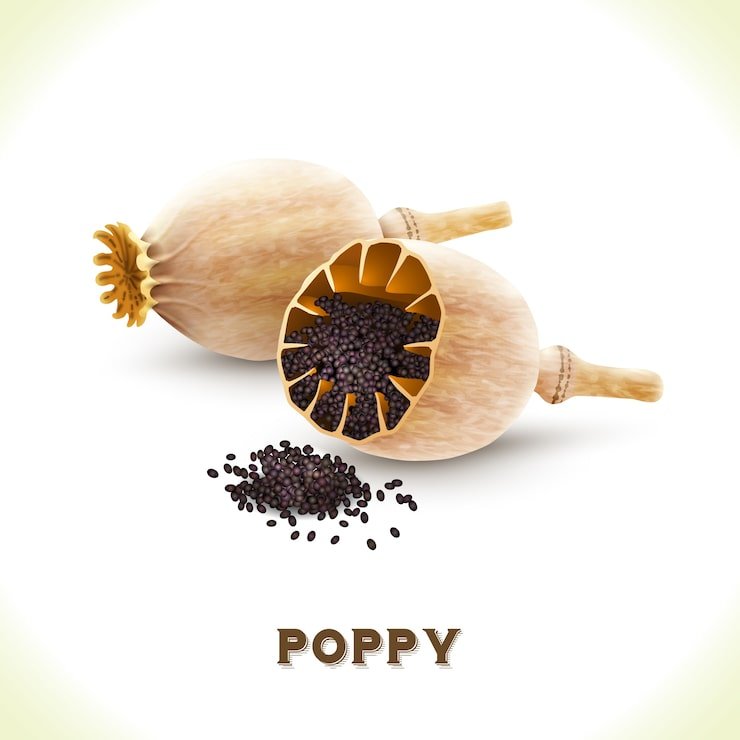
Poppy seeds are small, kidney-shaped seeds obtained from Papaver somniferum and are widely used in global cuisine. They are commonly sprinkled over bread, pastries, bagels, cakes, puddings, and other baked products, where they contribute a distinctive nutty flavor and crunchy texture. Their use also extends into edible oil, dietary products, cosmetics, and personal-care applications.
The global poppy seed industry study examines the sector by form, application, distribution channel, region, and leading companies. The report highlights the rising popularity of poppy-infused bakery products, growing interest in nutritional ingredients, expanding direct distribution, Europe's established production and consumption base, and regulatory scrutiny surrounding poppy seeds as important factors shaping industry development.
Bakery Products Remain a Major Application
Food is a key application for poppy seeds, particularly across bakery and confectionery products. Their flavor and texture make them suitable for bread, rolls, cakes, bagels, pastries, puddings, and tarts.
Poppy seeds also have strong cultural significance in several European cuisines. Hungary, for instance, is known for makosh, a traditional poppy seed roll, while poppy seeds are also incorporated into numerous Polish and Eastern European preparations.
The combination of traditional recipes and expanding interest in gourmet foods is creating opportunities for food manufacturers and specialty ingredient suppliers.
Culinary Traditions Support Continued Demand
Poppy seeds have long been used as both a flavoring ingredient and filling in regional cuisines. Their characteristic appearance and texture allow them to serve decorative as well as functional purposes in food preparation.
The growing popularity of international cuisines is also exposing consumers in new markets to dishes that incorporate poppy seeds. Restaurants, bakeries, specialty food producers, and packaged-food companies can therefore contribute to broader adoption.
This connection between traditional cuisine and contemporary food trends provides a relatively diverse base of applications.
Nutritional Properties Attract Health-Conscious Consumers
Poppy seeds contain nutrients including minerals, fatty acids, protein, and fiber, which contribute to their positioning as a nutrient-dense food ingredient.
The report highlights their content of iron, phosphorus, copper, and linoleic acid. These nutritional characteristics can support demand among consumers looking for ingredients that provide additional nutritional value alongside flavor and texture.
However, nutritional benefits should be considered as part of an overall balanced diet rather than as a substitute for medical treatment or a complete source of essential nutrients.
Poppy Seed Oil Broadens Product Applications
Poppy seed oil provides another application for the crop. It can be used as an edible oil and also has potential applications in personal care and cosmetic formulations.
Its fatty-acid composition can make it attractive for specialty oil products, while its botanical origin aligns with consumer interest in plant-derived ingredients.
The availability of oil alongside dried seeds and powder also allows suppliers to serve different consumer and industrial requirements.
Direct Distribution Gains Importance
Direct distribution is expected to hold the largest share among distribution channels. Direct sales can provide producers with greater control over product quality, pricing, branding, and customer relationships.
For consumers, purchasing directly from producers or specialized suppliers can provide greater access to different varieties, forms, quantities, and product information.
The growth of digital commerce is also making direct purchasing more accessible, allowing specialty ingredient suppliers to reach consumers beyond their traditional geographic markets.
Online Purchasing Supports Product Accessibility
Online channels are creating additional opportunities for poppy seed suppliers and specialty food businesses. Consumers can compare different products, package sizes, origins, and forms before purchasing.
E-commerce can also support direct-to-consumer models, enabling smaller producers to reach niche audiences interested in specialty ingredients.
This channel can be particularly useful for premium, organic, or region-specific poppy seed products where consumers may actively seek information about sourcing and quality.
Europe Maintains a Strong Position
Europe holds a substantial position in the global poppy seed industry. The region benefits from an established production base, particularly in countries such as the Czech Republic, alongside longstanding culinary consumption.
Poppy seeds are incorporated into numerous European bakery and confectionery products, supporting consistent demand. Growing interest in gourmet cuisine and health-conscious food choices is also creating opportunities for premium and specialty products.
The region's established supply chain and cultural familiarity provide an important foundation for continued industry activity.
Health and Wellness Trends Create Opportunities
The growing popularity of natural and botanical ingredients is creating additional opportunities for poppy seeds beyond conventional culinary use.
The report identifies interest in dietary products associated with areas such as sleep, stress, and wellness as an emerging demand factor. However, product developers need to distinguish between traditional or emerging uses and claims supported by clinical evidence.
The broader preference for plant-based ingredients can nevertheless support the incorporation of poppy seeds into specialty nutrition and wellness products.
Food Safety and Regulatory Scrutiny Remain Important
Because poppy seeds originate from Papaver somniferum, regulatory authorities pay attention to potential contamination by opiate alkaloids transferred from other parts of the plant during harvesting and processing.
The U.S. Food and Drug Administration explains that alkaloids can be present on the outer surface of seeds because of harvesting and post-harvest practices. The agency states that it is not generally advising consumers to avoid poppy-seed-containing foods, while warning against misuse of poppy seeds to make concentrated beverages. FDA guidance on opiate alkaloids in poppy seeds highlights why sourcing, processing, testing, and regulatory compliance remain important for suppliers.
Processing and Testing Support Product Quality
Harvesting and post-harvest processing can influence the quality characteristics of poppy seeds. Cleaning, drying, sorting, storage, and packaging all affect the final product supplied to food manufacturers and consumers.
Testing for contaminants and maintaining consistent specifications can help processors meet regulatory requirements and customer expectations.
For companies supplying food-grade poppy seeds, traceability across cultivation, processing, and distribution can also strengthen quality assurance.
Personal Care Applications Provide Diversification
Poppy seeds and poppy-derived ingredients can also be used in selected cosmetics and personal-care products.
Their association with botanical ingredients can support formulations positioned around natural or plant-derived components. Poppy seed oil can also provide opportunities in specialty skincare and personal-care products where plant-based oils are valued.
These applications provide additional revenue opportunities for suppliers beyond food products.
Product Forms Address Different Consumer Needs
The industry is segmented into dried seed, oil, and powder forms. Dried seeds remain closely associated with traditional culinary applications, while powder can provide greater convenience for food formulations.
Oil offers a different route for both food and specialty personal-care applications. The availability of multiple forms allows processors to develop products tailored to different end users.
Product diversification can also help suppliers respond to changing consumer preferences around convenience and application-specific ingredients.
Supply-Chain Transparency Gains Importance
Consumers are increasingly interested in where specialty agricultural products originate and how they are processed. This makes transparency an important consideration for poppy seed suppliers.
Information regarding country of origin, cultivation practices, processing, testing, and packaging can help establish consumer confidence.
For premium and specialty products, traceability can also provide an opportunity for differentiation in competitive retail environments.
Regulatory Differences Create Industry Challenges
Regulations governing poppy cultivation, trade, processing, and consumption can differ considerably between countries. These differences can complicate international supply chains and create additional compliance requirements.
The industry must therefore account for regulations governing food safety, agricultural production, importation, labeling, and allowable levels of relevant contaminants.
Companies operating internationally need reliable compliance systems to manage these differences while maintaining consistent product quality.
Competitive Landscape
The competitive landscape includes Woodland Foods, Olivenation LLC, Solo Foods, Inc., Frontier Natural Products Co-op, Bio Nutrition Inc., Bob's Red Mill Natural Foods, and other regional and specialty suppliers.
Competition is influenced by product quality, sourcing, pricing, distribution reach, processing capabilities, product variety, traceability, certifications, and relationships with food manufacturers and retailers.
Direct-to-consumer models can also allow smaller suppliers to compete by emphasizing origin, specialty varieties, packaging, and product quality.
Conclusion
The global poppy seed industry is being shaped by culinary traditions, expanding bakery applications, nutritional awareness, specialty oils, direct distribution, online purchasing, and demand for natural ingredients.
Food remains the central application, with bakery and confectionery products providing particularly strong opportunities. Europe maintains an important position because of its established production and cultural consumption, while direct distribution and digital commerce are creating new routes to consumers.
At the same time, regulatory scrutiny and food-safety requirements remain important considerations because of potential opiate-alkaloid contamination. Suppliers that combine consistent quality, responsible processing, traceability, regulatory compliance, and diversified product formats can strengthen their position as poppy seeds continue to find applications across food, specialty nutrition, and personal-care products.
Tags : Poppy Seeds