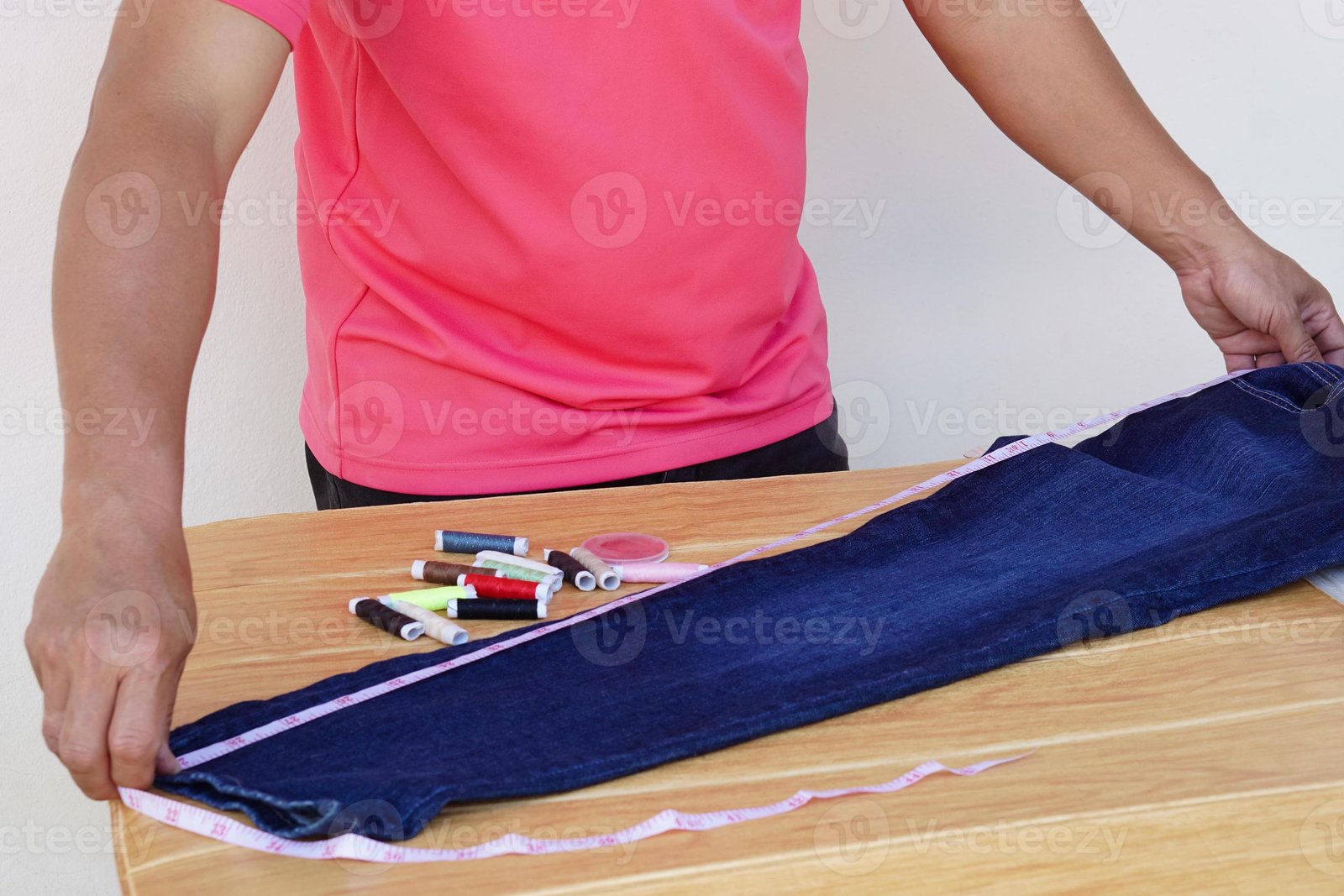
Jeans Shortening In Dip is one of the most practical ways to achieve a perfect fit when denim feels too long or drags on the ground. This technique has become a trusted choice for denim lovers who prefer a polished look without compromising the original style.
Why Shortening Jeans Matters
Denim is a timeless staple, but finding the right inseam length is often a challenge. Too-long jeans can quickly lose their appeal by fraying, folding awkwardly at the ankles, or hiding shoes completely. Shortening ensures jeans complement both body shape and personal style while avoiding unnecessary wear and tear.
The Concept of “Dip” in Shortening
The dip technique focuses on maintaining the original hem while reducing the length. Instead of cutting jeans bluntly, this process reshapes the leg line in a subtle yet precise way. It keeps the denim’s authenticity intact, ensuring the finished piece looks as though it was made for the wearer.
Common Situations That Call for Shortening
Jeans shortening in dip becomes a necessary option in many everyday scenarios. From petite individuals who struggle with extra-long lengths to those who prefer cropped styles, shortening offers a tailored approach. People who buy denim online also often require alterations since sizes and inseams vary significantly across brands.
Typical reasons include:
Excess length creating ankle bunching.
Jeans dragging and collecting dirt.
Desire for cropped or ankle-length denim styles.
Need to showcase footwear more clearly.
How Tailor Dip Perfects the Shortening
Professional services like Tailor Dip specialize in denim alterations that respect the fabric’s durability and design. Skilled tailoring methods ensure the hem maintains its original look, whether that includes distressing, fading, or decorative stitching. This prevents jeans from appearing altered and keeps their factory finish intact.
Techniques Used in the Shortening Process
Several techniques can be applied during jeans shortening in dip, depending on the wearer’s preference and denim style.
Original Hem Preservation
This technique involves carefully removing the hem, shortening the fabric, and reattaching the original hem to maintain a factory finish.
Clean Fold Shortening
Some prefer a neat, folded hem that looks modern and minimal, perfect for straight-leg or skinny jeans.
Rolled or Cuffed Style
Casual styles sometimes benefit from a cuffed or rolled hem, giving denim a relaxed yet purposeful design.
Tapered Shortening with Dip
When altering length, the taper method ensures the jeans still flow naturally at the ankle without appearing bulky or uneven.
When to Know Shortening Is Necessary
The clearest signal for alteration is when jeans consistently touch the floor or require constant folding to achieve comfort. Long denim may seem manageable at first but can damage quickly with fraying hems and trapped dirt. Shortening saves both style and fabric integrity.
DIY Fixes Versus Professional Alterations
Quick at-home fixes such as folding or ironing hems with adhesive tape may work temporarily, but they rarely last through washes or daily wear. Professional jeans shortening in dip ensures strong seams, balanced stitching, and an even length on both legs without risking denim quality.
Benefits of Jeans Shortening
The value of shortening extends beyond appearance. Proper alterations create ease of movement, reduce fabric damage, and highlight footwear choices. Denim feels more personal and versatile once the length matches perfectly.
Main benefits include:
Preserved fabric strength.
Enhanced overall style.
Comfortable movement without dragging hems.
Increased lifespan of denim.
Improved confidence in daily wear.
Styling Freedom After Alterations
Perfectly shortened jeans open the door to creative outfit choices. Cropped denim pairs beautifully with sneakers, heels, or boots, while ankle-length styles enhance formal or casual looks. With the right fit, jeans transition seamlessly between seasons and occasions.
Caring for Jeans After Shortening
To maintain the benefits of alteration, care practices should be consistent. Washing denim inside out, avoiding high heat dryers, and hanging to dry help preserve the new hemline. Proper storage also prevents creasing at the shortened areas.
Cost Versus Value of Shortening
While the cost of alteration depends on complexity, the investment is small compared to constantly replacing poorly fitted denim. Shortening provides long-term savings by extending the usability of favourite jeans and keeping style timeless.
Why a Perfect Fit Is Essential
Every individual has unique proportions, and ready-made denim rarely caters to all. Jeans shortening in dip provides that extra customisation which allows denim to truly reflect personality, comfort, and fashion sense. A perfect fit always makes jeans feel exclusive and intentional.
A Fresh Look at Timeless Denim
Shortening jeans is not just about practicality it’s a way to personalise clothing for better expression. With the right approach and services like those offered by Tailor Dip, denim becomes both functional and fashionable, tailored to individual lifestyles and preferences.
FAQs
Q1: Can every type of jeans be shortened with dip?
Yes, almost all jeans can be shortened using the dip method, including skinny, straight, or bootcut styles. Some designs may require extra care for distressed hems.
Q2: How long does shortening usually take?
Most professional services complete alterations within a few days, depending on workload and whether the hem preservation technique is chosen.
Q3: Will shortening affect the original hem design?
Not when handled by experts. Professional shortening preserves hems, fades, and stitching to maintain the original denim look.