Pediatric Orthodontics: Preventing Speech Issues in Children
By Orthodontist In Dubai 12-06-2026 103
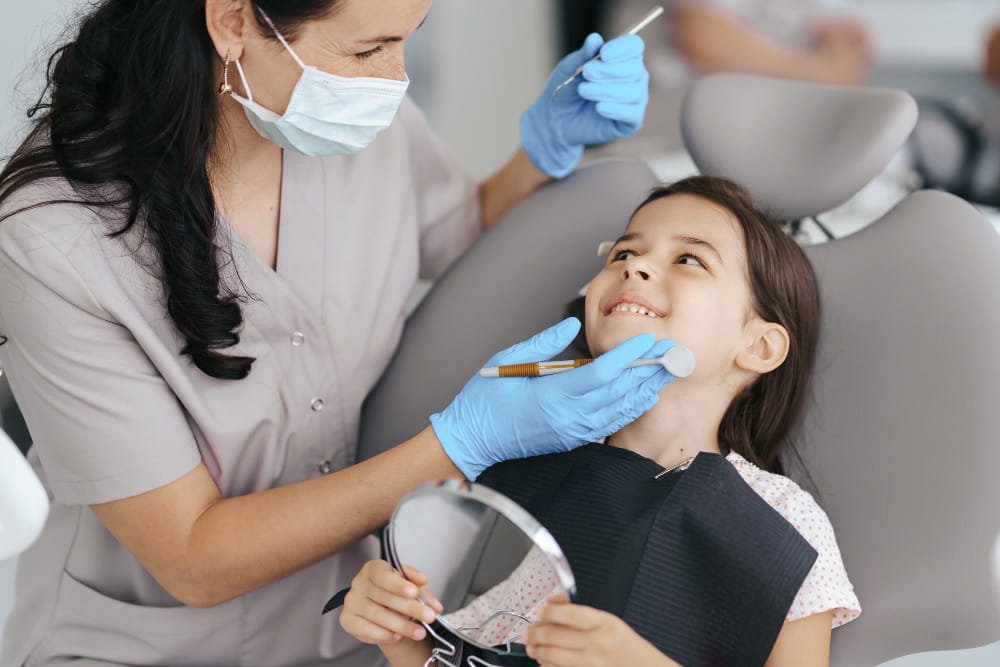
A child’s speech development depends on many factors, including hearing, learning ability, tongue movement, and oral structure. While parents often focus on vocabulary and pronunciation, the alignment of teeth and jaws also plays a major role in how clearly a child speaks. Problems such as overcrowded teeth, bite issues, and jaw misalignment can interfere with proper tongue placement and sound formation. This is where early care from an orthodontist for kids can make a meaningful difference.
Pediatric ororthodontics is not only about creating straighter smiles. It can also help guide healthy jaw growth, improve oral function, and reduce the risk of speech difficulties as children develop. Addressing orthodontic concerns early often leads to easier treatment and better long-term outcomes.
How Teeth and Jaw Alignment Affect Speech
Speech sounds are created through the coordinated movement of the lips, tongue, teeth, and palate. When teeth are not positioned correctly, or the jaw does not align properly, certain sounds may become difficult to pronounce.
Children may struggle with sounds such as:
- S and Z - often affected by spacing or tongue placement
- T and D - influenced by the front tooth position
- F and V - formed using the upper teeth and lower lip
- Sh, Ch, and J - may be altered by bite problems
- R and L - can be impacted by tongue restriction or jaw structure
When these speech patterns continue beyond the expected developmental stage, a professional evaluation may be helpful.
Common Orthodontic Problems Linked to Speech Issues
Several dental and jaw conditions may contribute to uncle's speech. An experienced orthodontist for kids can assess whether structural issues are playing a role.
- Open Bite: An open bite occurs when the upper and lower front teeth do not touch when the mouth is closed. This gap can make it difficult to pronounce sounds like S, Z, and T clearly.
- Overbite: A deep overbite may limit tongue space and affect how the child positions the tongue while speaking.
- Underbite: When the lower jaw sits forward, certain sounds can become distorted due to altered lip and tooth contact.
- Crowded Teeth: Teeth that overlap or rotate may interfere with airflow and tongue placement during speech.
- Narrow Palate: A narrow upper jaw can reduce tongue space and affect both speech and breathing patterns.
Why Early Evaluation Matters
Children’s mouths and jaws are still developing, which means early treatment can guide growth more effectively than waiting until the teen years. Many orthodontists recommend an initial evaluation by age seven, even if braces are not immediately needed.
Early assessment allows an orthodontist for kids to identify bite or jaw concerns before they become more severe. In some cases, simple early intervention may reduce the need for complex treatment later.
Orthodontic Treatments That May Help Speech Development
Not every speech issue requires orthodontic treatment, but when an oral structure is contributing to the problem, corrective care can be beneficial.
- Palatal Expanders: Used to widen the upper jaw, expanders can create more room for the tongue and improve oral function.
- Partial Braces: Limited braces may be used to correct early alignment issues affecting speech.
- Habit Correction Appliances: Thumb sucking or prolonged pacifier use can change bite development. Appliances may help stop these habits and support normal growth.
- Space Maintainers: If baby teeth are lost too early, space maintainers preserve room for permanent teeth to erupt properly.
- Full Orthodontic Treatment Later: Some children begin with early intervention and complete full braces or aligner treatment during adolescence.
The Role of Speech Therapy
Orthodontic treatment and speech therapy often work best together. If a child has developed incorrect speaking habits, they may continue even after teeth alignment improves. A speech therapist can help retrain tongue movement and pronunciation patterns.
Parents should understand that correcting dental structure may support speech clarity, but it may not replace speech therapy when language habits are already established.
Signs Parents Should Watch For
Consider consulting an orthodontist for kids if your child has:
- Difficulty pronouncing certain sounds beyond the expected age
- Mouth breathing or frequent open-mouth posture
- Noticeable bite issues or crooked teeth
- Thumb sucking habits past early childhood
- Trouble chewing or biting food
- Jaw shifting while opening or closing
Early attention can prevent small issues from becoming larger functional concerns.
Benefit's Beyond Speech
Pediatric orthodontics offers more than speech support. Children may also benefit from:
- Improved chewing efficiency
- Better oral hygiene due to straighter teeth
- Reduced risk of uneven tooth wear
- Healthier jaw growth
- Greater confidence and self-esteem
These advantages often contribute to overall well-being during important developmental years.
Final Thoughts
Speech development is closely connected to oral structure, and bite problems can sometimes make clear pronunciation more difficult. Pediatric orthodontics helps identify and correct these issues while a child is still growing.
If you notice speech struggles along with visible dental alignment concerns, consulting an orthodontist for kids can be a smart early step. Timely care may improve not only your child’s smile, but also their comfort, confidence, and communication skills for years to come.