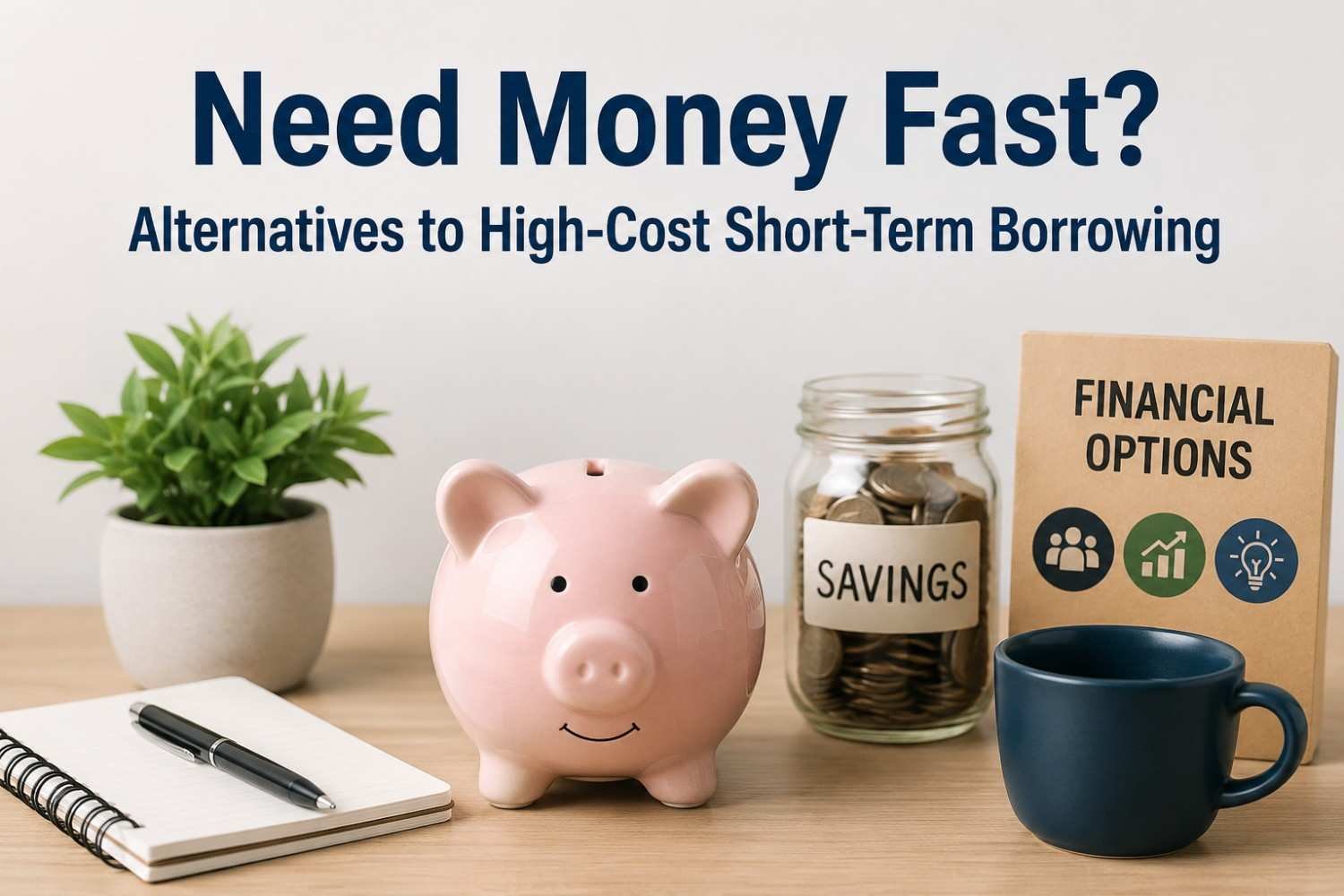
If you need money urgently, you will most likely want to access money fast. You might need money to have your car repaired, or you might need it to pay for a medical bill. Banks do not accept applications for short-term loans. Here comes the role of online lenders. You can borrow as little as £100 and as much as £1,000. The best part about loans from direct lenders is that they approve these loans instantly. You are eligible for them despite having a subprime credit rating.
Though borrowing from direct lenders is very convenient, it comes with additional costs. Lenders do not follow as strict criteria as banks do, especially when they are offering an exiguous sum of money. One of the biggest reasons for these loans to be exorbitant is that they are aimed at subprime borrowers. There is no doubt that unsecured loans for bad credit in the UK are expensive.
Interest rates for these loans could go up 500%. It means if you borrow £100 for a full one year, you will be paying £500 as interest. The cost of the debt will be five times the borrowing amount, as the loan amount is a paltry sum; short-term loans are required to be discharged in one fell swoop. There is a high probability that you will end up falling behind on the repayment, and then a vicious cycle of debt. Fortunately, there are some alternatives to short-term loans.
Alternatives to short-term high-cost debts
Before applying for small unsecured loans, you should carefully consider other options. It is likely that you will find some cheaper funding ways. Here are some alternatives to short-term high-cost debts:
Borrowing from friends and family
If you need a small amount of money, you can consider borrowing from your friends and family. They will not even charge interest. Friends and family are the cheapest funding sources, followed by savings. Though they do not charge interest, make sure that you pay slightly above the loan amount to offset the loss in the present value of money.
Because the loan amount is not large, you should try to pay it back as soon as possible. Consider paying the whole amount as agreed to avoid ruining your relationship with them.
Budgeting loans
If you are on a tight budget, unsecured loans for bad credit in the UK might not be a favourable option for you. Budgeting loans are interest-free loans available from the government. They have been designed to help you cover the essential costs of living. Check your eligibility before applying for a budgeting advance. You will be accountable to pay back only the principal amount. They are truly the most effective solution for those living on a shoestring budget.
Credit unions
Credit unions are a more affordable option than direct lenders. They follow flexible lending criteria, but it does not mean they will approve your application despite a high default risk. Credit unions are non-profit organisations and therefore charge lower interest rates. The following table clearly explains the difference between the two credit unions and online lenders.
| Features | Direct lenders | Credit unions |
| Ownership | Privately owned | Owned by members |
| Eligibility | Open to everyone, provided you can qualify | Membership required, you must meet the eligibility criteria |
| Interest rates | Competitive | Lower than lenders |
| Fees | High fees | Lower fees |
| Funding speed | Fast, almost the same day | Slightly slower, takes few days |
| Flexibility | Automated services | Personalised services |
| Best for | Short-term needs | Long-term needs |
0% credit cards
A 0% credit card is a better alternative than short-term loans to cover small emergency expenses, as you can avoid paying interest by clearing the balance within the interest-free period. However, you will still need to pay down the minimum balance.
It is vital to note that most of the lenders do not offer a longer introductory period. For instance, they may allow you only 60 to 90 days from the date of the issue. To qualify for a 0% credit card:
- You must have a good credit history. Borrowers with substandard credit scores are not eligible for these loans.
- You must have a stable income source.
- You must not have been refused for a credit card or loan in the past six months.
Bear in mind that your 0% card will turn into a standard card as soon as the interest-free timeframe expires.
Here is the difference between 0% credit cards and standard credit cards:
| 0% credit card | Standard credit card |
| No interest is paid only for a limited period of time. Despite that minimum payments are to be made. | Interest accrues immediately if you do not pay off the full balance within the grace period. |
| APRs for these cards are higher than standard cards after the interest-free period. | APRs typically range between 18.9% and 35%. |
| They are used for spreading the cost of large purchases. The most common use is consolidation | Everyday spending provided you clear the whole balance within the grace period. |
Salary advances
This is also an interest-free alternative to small unsecured loans. If you have been working in your current company for a long period of time and have been a dedicated employee, you will certainly be able to procure an advance payment. This will help you tide you over in case of emergencies, but remember that the next month's salary will be paid to you after deducting the advance. This method is suitable only when you do not struggle to cover your day-to-day expenses the next month.
The bottom line
Small unsecured loans can help you cover small emergencies, but they charge high interest rates, especially if your credit rating is not perfect. At the time of using these loans, make sure you will not struggle to keep up with payments.
It is likely that you fail to secure them for one reason or another. However, it does not mean that you cannot secure affordable alternative solutions. Understand their pros and cons and check whether they serve your purpose.