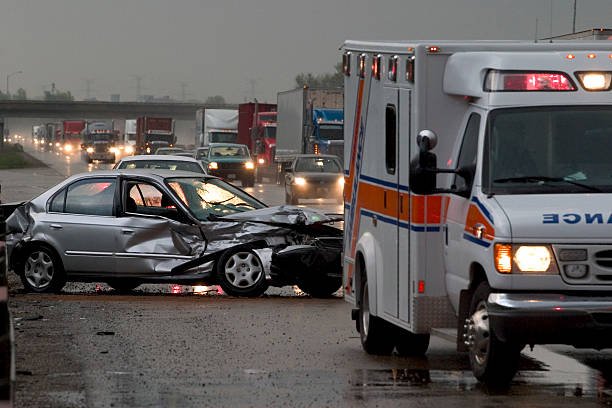
Car collisions are unsettling anywhere, but accidents in large metropolitan areas can be especially complex. High traffic volume, multiple drivers, and busy roadways often mean more variables to manage after a crash. Knowing how to respond calmly and strategically can make a meaningful difference in protecting your well-being and your ability to move forward.
This article is for informational purposes only and does not constitute legal advice.
Why Metro-Area Accidents Are Often More Complicated
In dense urban environments, car accidents frequently involve more than just two vehicles. Heavy traffic, rideshare cars, delivery vehicles, and commuters all sharing the road can create layered situations where fault and responsibility are not immediately clear.
Metro-area collisions often involve:
- Multiple drivers and witnesses
- Conflicting accounts of how the crash occurred
- Increased likelihood of commercial or rideshare vehicles
- Heavier insurance involvement
Because of these factors, even seemingly straightforward accidents can become more complicated during the claims process.
The Importance of Immediate Medical Evaluation
After a collision, adrenaline can mask pain and injury. Many people feel “fine” initially, only to experience stiffness, headaches, or back pain days later. Seeking prompt medical care helps identify injuries early and creates a record linking them to the collision.
Medical documentation serves two important purposes:
- It supports your physical recovery by identifying issues early
- It establishes a timeline that connects injuries to the accident
Skipping or delaying care can make recovery more difficult and may raise questions later if symptoms worsen.
Documenting the Accident Scene Effectively
Information gathered at the scene of a collision often plays a critical role later. When it’s safe to do so, take time to document as much as possible before vehicles are moved and traffic resumes.
Helpful documentation includes:
- Photos of vehicle damage and positions
- Road conditions, traffic signals, and signage
- Weather and lighting at the time of the collision
- Names and contact information of witnesses
Police reports are also valuable, as they provide an independent account that insurance companies often rely on during evaluations.
Communicating Carefully With Insurance Companies
Insurance adjusters usually reach out quickly after an accident. While their role may seem supportive, it’s important to remember that insurance companies are focused on minimizing payouts.
When speaking with adjusters:
- Stick to clear, factual statements
- Avoid guessing or speculating about fault
- Be cautious with recorded statements
Early conversations can influence how a claim unfolds, so taking a measured approach helps protect your position.
Understanding the Full Scope of an Auto Collision Claim
Many people associate car accident claims primarily with vehicle repairs. While property damage is important, it’s often only one part of a larger picture.
An auto collision claim may involve:
- Medical expenses, including follow-up care
- Lost income from missed work
- Pain, discomfort, and reduced quality of life
- Out-of-pocket costs related to recovery
Understanding these categories helps individuals better evaluate whether a proposed settlement truly reflects the impact of the collision.
When Education and Guidance Become Valuable
Not every accident requires outside help, but certain situations make learning more about the process especially important. Disputed liability, serious injuries, or uncooperative insurers can all complicate matters.
In these cases, reviewing educational resources from anauto collision lawyer Atlanta GA can help clarify how claims are typically handled, what factors influence outcomes, and what steps are commonly taken to protect a claim. Access to clear, neutral information allows people to make informed decisions rather than rushed ones.
Common Errors That Can Undermine a Claim
Even small missteps can weaken an otherwise valid claim. Being aware of common pitfalls helps you avoid unnecessary complications.
Frequent mistakes include:
- Posting accident details or photos on social media
- Ignoring medical advice or skipping appointments
- Accepting quick settlement offers without review
- Failing to keep records of expenses and communications
Staying organized and cautious can significantly reduce stress during recovery.
Moving Forward After a Collision
A car collision can disrupt routines, finances, and peace of mind, especially in a fast-paced urban setting. While the process may feel overwhelming at first, taking thoughtful steps helps restore a sense of control.
By prioritizing health, documenting carefully, and understanding how accident claims work, individuals place themselves in a stronger position to recover and move forward. With the right information and approach, the aftermath of a collision becomes more manageable—and far less intimidating.
Tags : .....