Modern Air Cooling Innovations Redefining Energy Efficient Living Spaces for 2026
By Gleason HVAC 07-07-2026 81
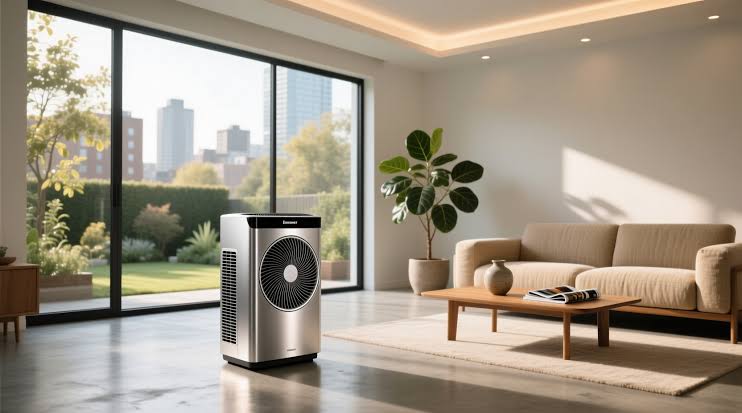
As homes become smarter and energy efficiency continues to shape consumer decisions, residential cooling technology is advancing faster than ever before. In 2026, homeowners are looking beyond simply lowering indoor temperatures. They are investing in intelligent cooling solutions that improve comfort, reduce electricity consumption, enhance indoor air quality, and support long-term sustainability.
The HVAC industry has responded by introducing highly efficient systems equipped with artificial intelligence, connected controls, advanced compressors, and predictive diagnostics. These innovations are helping homeowners optimize energy usage while enjoying a more personalized indoor environment.
At the same time, governments and utility providers continue encouraging the adoption of energy-efficient equipment through updated standards and incentive programs. As a result, upgrading residential cooling systems has become a strategic decision that delivers both financial and environmental benefits.
Intelligent Cooling Systems Continue to Evolve
Artificial intelligence is becoming one of the most influential technologies in residential climate control. Modern cooling systems collect data from indoor sensors, outdoor weather conditions, humidity levels, and occupancy patterns to make real-time operating adjustments.
Instead of functioning at a fixed output, today's equipment automatically modifies cooling capacity according to changing household needs. This dynamic operation reduces unnecessary energy consumption while maintaining consistent indoor temperatures.
Machine learning algorithms also allow systems to recognize homeowner preferences over time. By learning daily routines, the equipment automatically creates optimized schedules that maximize comfort without wasting electricity.
These intelligent capabilities are transforming traditional cooling equipment into highly responsive climate management systems.
Why Homeowners Are Choosing Modern Upgrades
Many residential cooling systems installed years ago were designed before today's efficiency standards became common. While older units may continue operating, they often consume significantly more electricity and require frequent maintenance.
Because of these limitations, air conditioning replacement has become a proactive investment rather than simply a response to equipment failure. Homeowners increasingly recognize the long-term advantages of upgrading before performance begins to decline.
Modern cooling equipment offers quieter operation, improved airflow management, advanced humidity control, and significantly higher energy efficiency ratings. These improvements create more comfortable indoor environments while lowering monthly operating costs.
As cooling technology continues advancing, proactive upgrades are becoming an increasingly popular strategy for improving both comfort and property value.
Variable-Speed Technology Improves Efficiency
Variable-speed compressors remain one of the most important innovations in today's residential cooling systems. Unlike traditional equipment that repeatedly cycles on and off, variable-speed systems continuously adjust compressor output according to indoor demand.
This operating method allows temperatures to remain remarkably consistent throughout the home. It also minimizes electrical consumption because the equipment rarely operates at maximum capacity unless necessary.
Reduced cycling decreases mechanical wear, helping extend equipment lifespan while lowering maintenance requirements.
Many manufacturers continue refining inverter technology in 2026, making modern systems even quieter, more reliable, and more energy efficient than previous generations.
Connected Homes Create Smarter Comfort
Smart home integration is rapidly becoming a standard expectation among homeowners. Cooling systems now communicate seamlessly with intelligent thermostats, voice assistants, occupancy sensors, and whole-home automation platforms.
Using mobile applications, homeowners can monitor system performance, adjust temperatures remotely, review energy reports, and receive maintenance reminders regardless of location.
Voice control has also become increasingly sophisticated, allowing users to change climate settings through simple spoken commands.
These connected technologies provide greater convenience while helping households reduce unnecessary energy usage through intelligent automation.
As smart homes continue expanding, cooling systems are becoming central components of integrated residential technology ecosystems.
Predictive Maintenance Reduces Unexpected Problems
One of the fastest-growing HVAC trends in 2026 is predictive maintenance. Advanced monitoring systems continuously analyze equipment performance to detect subtle changes that may indicate developing problems.
Sensors monitor compressor activity, refrigerant levels, airflow performance, electrical consumption, and operating efficiency around the clock. Artificial intelligence evaluates this information and alerts homeowners when preventative maintenance may be needed.
When considering air conditioning replacement, homeowners increasingly value systems equipped with predictive diagnostic capabilities because they reduce unexpected breakdowns and simplify long-term equipment management.
Remote diagnostics also improve service efficiency by allowing technicians to review operational data before arriving at the property. This enables faster troubleshooting and more accurate repairs.
Predictive maintenance ultimately improves reliability while helping homeowners maximize the lifespan of modern cooling equipment.
Indoor Air Quality Receives Greater Attention
Comfort is no longer measured solely by indoor temperature. Homeowners are becoming increasingly aware of the importance of indoor air quality for health and well-being.
Modern cooling systems frequently incorporate high-efficiency filtration, humidity balancing, and integrated air purification technologies. These features help reduce airborne particles while maintaining healthier indoor environments.
As more families work remotely and spend extended time indoors, air quality improvements have become an important factor when evaluating residential comfort solutions.
Manufacturers continue investing heavily in wellness-focused technologies that complement advanced cooling performance.
Sustainability Drives Future Innovation
Environmental responsibility remains a defining trend throughout the HVAC industry. Manufacturers are introducing environmentally friendly refrigerants, recyclable materials, and highly efficient engineering designs that reduce carbon emissions.
Many cooling systems are also being designed for compatibility with residential solar energy installations and advanced home energy management platforms.
These innovations allow homeowners to reduce environmental impact while improving long-term financial savings through lower utility costs.
As sustainability continues influencing purchasing decisions, energy-efficient cooling systems will remain at the forefront of residential innovation.
Conclusion
The future of residential cooling is being shaped by artificial intelligence, predictive maintenance, connected technologies, and sustainability. These innovations are transforming cooling systems into intelligent climate management platforms capable of delivering exceptional comfort with minimal energy consumption.
Throughout 2026 and beyond, homeowners who embrace modern cooling technology will benefit from greater efficiency, healthier indoor environments, lower operating costs, and improved long-term reliability.
As smart homes continue evolving, advanced cooling systems will play an increasingly important role in creating comfortable, connected, and environmentally responsible living spaces for the future.
Tags : air cooling hvac