Lubbock Airport Transportation: Smart Options for Groups and Businesses
By John Michael 03-09-2026 3
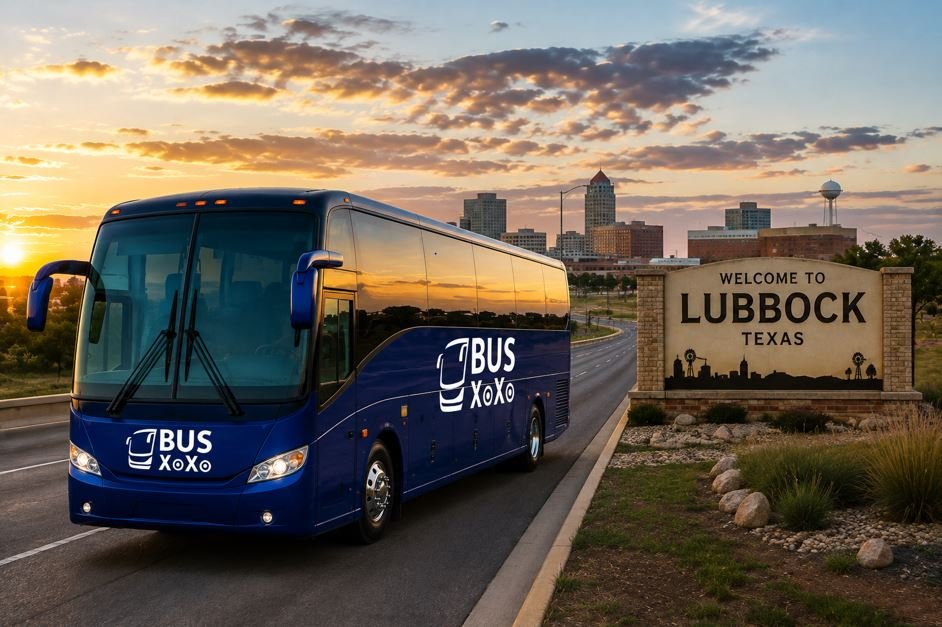
Airport travel is often the first and last transportation experience associated with a business trip, conference, group event, or organized tour. When several people are arriving or departing at different times, coordinating individual rides can become difficult. Planned Lubbock airport transportation can help groups and businesses organize travel between the airport, hotels, offices, event venues, and other destinations according to a shared schedule. The most effective airport transportation plan begins with information. Flight times, passenger numbers, luggage, destinations, and meeting procedures should all be considered before travelers arrive.
The First Question: Are All Travelers Arriving Together?
This question determines much of the transportation plan. If everyone arrives on the same flight or within a short time period, one coordinated transfer may be practical. However, groups often arrive in several waves. For example:
- Morning arrivals → Hotel transfer
- Afternoon arrivals → Hotel transfer
- Evening arrivals → Hotel transfer
Separating travelers according to arrival windows can make airport transportation easier to manage.
Build a Flight Information Sheet
A group organizer should collect the essential information for each traveler. Useful details include:
- Traveler name
- Arrival date
- Airline
- Flight number
- Estimated arrival time
- Departure information
- Destination after arrival
A shared flight information sheet can help organizers identify which passengers can travel together. Flight schedules should also be reviewed before the travel date because changes can occur.
Plan for the Time Between Landing and Pickup
An arrival time is not necessarily the same as the time passengers are ready to leave the airport. Travelers may need time for:
- Leaving the aircraft
- Walking through the airport
- Collecting luggage
- Using facilities
- Reaching the designated pickup location
International or other complex travel arrangements may require additional procedures.
A transportation schedule should account for the period between landing and actual pickup readiness.
Choose One Clear Meeting Procedure
Large groups can become separated quickly at airports. Instead of providing general instructions such as “meet outside,” provide a specific meeting procedure. Passengers should know:
- Where to go after collecting luggage
- Which pickup area to use
- What time transportation is expected
- Who to contact if there is a problem
Business Travel Requires Schedule Precision
Corporate travelers may have limited time between their arrival and their first meeting. A transportation plan should connect flight schedules with the business itinerary. For example:
Airport arrival → Hotel check-in → Meeting venue
or:
Airport arrival → Office → Client meeting
Organizers should avoid creating an itinerary where a small flight delay causes an employee to miss an important appointment. Adding a reasonable buffer can improve schedule reliability.
Consider Luggage Before Finalizing the Plan
Airport travelers often carry more luggage than local passengers. The transportation plan should account for:
- Suitcases
- Carry-on bags
- Business equipment
- Presentation materials
- Sports equipment
Ask passengers about significant storage requirements before finalizing arrangements. A group with minimal luggage may have different transportation needs from travelers attending a multi-day conference or extended event.
Airport Transfers for Conferences and Events
Events can bring attendees from multiple cities and countries. Airport transportation should be considered part of the full event transportation plan rather than a separate task. Think about what happens after arrival. Do passengers go to:
- One hotel?
- Multiple hotels?
- A conference center?
- A corporate office?
- A wedding venue?
Plan the Return Airport Journey Early
Many groups focus heavily on arrival transportation but leave departure planning until the end of the trip. Return airport transportation should be planned at the same time. Work backward from the flight departure schedule. Consider:
- Required airport arrival time
- Hotel checkout
- Travel time
- Traffic
- Luggage handling
What Happens When Flights Change?
Flight delays are one of the biggest challenges in airport transportation planning. Organizers should establish a communication process before the trip. Travelers should know who to notify if their arrival changes. The transportation coordinator should have access to updated flight information whenever possible. A flexible plan is easier to manage than one built around a schedule with no room for change.
Centralized Communication Makes Airport Travel Easier
One person should ideally coordinate transportation communication for the group. This can prevent travelers from receiving different instructions. The coordinator can provide:
- Pickup details
- Updated schedules
- Hotel information
- Emergency contact procedures
A Smarter Approach to Airport Transportation
Airport transportation is most effective when it is connected with the complete travel itinerary.
Instead of only asking how travelers will leave the airport, organizers should consider the full journey from arrival through the first destination and eventually back to the airport. By collecting flight information, planning realistic pickup times, accounting for luggage, organizing meeting locations, and preparing for schedule changes, groups and businesses can create a more structured airport travel experience. Good planning allows travelers to spend less time trying to coordinate individual transportation and more time focusing on the purpose of their trip.