Longevity Aesthetics Is the New Anti-Ageing. Here's Why the Difference Matters.
By Harsh Patil 04-07-2026 96
For most of its history, aesthetic medicine was reactive. You waited for a wrinkle to appear. You went in. It got treated. The goal was to reverse something that had already happened. That model worked, sort of, but it was always playing catch-up with a process that never stops.
Something is shifting. The conversation in aesthetic clinics now starts earlier, goes deeper, and is built around a different question. Not "how do we fix this?" but "how do we slow the process that's creating it?" That change in framing is what longevity aesthetics actually means, and it's driving a significant rethink of what patients should be looking for when they walk through the door.
An Aesthetic Physician working within this model isn't treating individual concerns in isolation. They're looking at the patient's biological age, skin architecture, hormonal shifts, nutritional deficiencies, and lifestyle factors together, and building protocols that address the system rather than the symptom.
What Changes in Skin as You Age (and Why It Matters Which Part)
Skin ageing isn't one process. It's several running simultaneously.
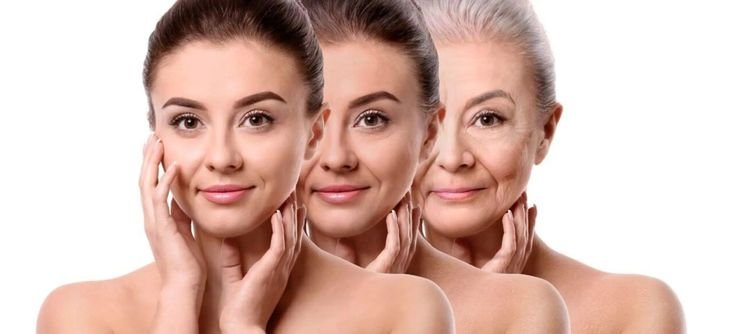
Collagen production declines at roughly one percent a year from your mid-20s. Elastin fibres stiffen and fragment. Hyaluronic acid content in the dermis drops, reducing the skin's ability to hold moisture. Cellular turnover slows. Stem cell activity that once repaired daily damage becomes less efficient. These changes are gradual enough that most people don't notice them until they've been accumulating for a decade.
By the time volume loss and textural change become visible, the structural changes underneath have been underway for years. Treating the surface, without addressing the cellular environment that's creating the surface problem, is how results end up temporary.
The New Generation of Treatments
The biggest change in the field of aesthetic medicine in recent times has been the change from filling, freezing, what have you, to changing the cell environment, which is called a biostimulator.
Polynucleotides are pieces of DNA which trigger repair mechanisms in the skin. They promote fibroblast activity and thus increase the production of collagen and elastin. Additionally, they possess anti-inflammatory properties and have a positive effect on the skin's internal moisture. Polynucleotides are not fillers, which provide volume right away; they work over weeks, as the skin's own biology reacts. That's because the results are natural - they are made of a patient's own tissue.
The mechanism of action of PDRN is similar and it has a strong evidence basis for tissue repair and skin regeneration. It stimulates adenosine receptors which induce cell recovery and decrease oxidative stress. In the field of aesthetic medicine, it works to improve skin quality and not only to reduce lines and increase volume.
Exosomes are extracellular vesicles that deliver growth factors, proteins and genetic signals to cells. They are one of the latest additions to the cosmetic repertoire, and one of the most talked about. Their job is to communicate: send signals to the ageing skin cells, which instruct them to act like younger cells. Although the research is still ongoing, the clinical outcomes of skin quality and hair restoration are attracting a lot of attention.
In contrast to volumising fillers, Skin Boosters act by boosting the natural hyaluronic acid already present in the dermis and prevent it from losing its elasticity. The Skin Boosters are different types of fillers and work by adding stabilised HA directly into the dermis, while preventing it from losing its elasticity. They don't reshape structure. They replenish the moisture in the skin itself; they fill in surface texture, brilliance and elasticity and are not restricted to particular lines or features.
IV Therapy: The Inside-Out Component
Much more than people think, the skin is a reflection of the health of the system. The face is the first place to manifest nutritional deficiencies, oxidative stress and chronic inflammation.
IV nutrition therapy is administered into the bloodstream, avoiding the digestive system and providing levels of vitamins, minerals and antioxidants that would be difficult to obtain through oral intake. When administered intravenously, glutathione brings benefits to the body at the cellular level, increases skin brightness, and lightens pigmentation. IV hair nutrition therapy is used to treat the patient when they are experiencing hair loss due to nutritional depletion.
This is the longevity model in action – targeting the body's input, not just the skin's output.
The Minimal Enhancement Philosophy
There's a reason that patients treated with this approach often look refreshed rather than treated. The goal is to restore what the face had at its best, not to impose a different face on it.
When the foundation is addressed, when hydration is restored, collagen stimulated, and cellular repair supported, the surface result tends to be one that looks like the patient, just clearly well. That's a different result from chasing features or filling every line. And for most people who have thought carefully about what they want, it's the result they were actually looking for.
The Practical Shift
Longevity aesthetics isn't a single treatment. It's a framework for thinking about ageing that starts with understanding your specific biology and builds a protocol around it.
The patients who benefit most are the ones who start before the visible changes are significant, who take a consistent approach rather than an occasional one, and who work with someone who sees the full picture rather than the presenting complaint.
Catching the process early doesn't mean doing more. Often it means doing less, but doing it at the right time, targeting the right mechanisms, and getting ahead of changes that become much harder to address once they're established.
Tags : .....