Woman Handbags: How to Choose One That Actually Earns Its Place in Your Wardrobe
By Mary 06-07-2026 178
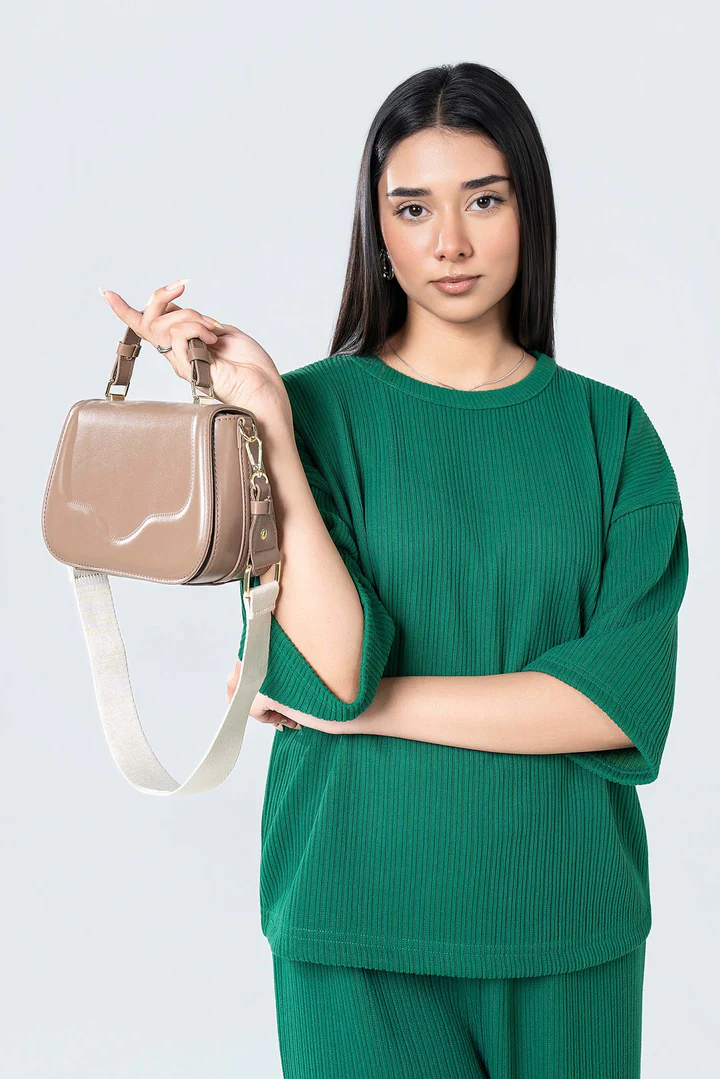
Most women own more handbags than they regularly use. It's an easy trap to fall into — a bag looks beautiful in the store or on a screen, and only after a few wears do its real limitations show up. Too small for daily essentials. Too structured to sit comfortably on your shoulder. A color that clashes with more outfits than it complements.
A Women's handbag that actually earns its place does something specific: it carries what you need, suits how you move through your day, and works with more of your wardrobe than you initially expect. Getting there isn't about owning more bags. It's about choosing better ones.
Here's what that actually involves.
Start With How You Actually Use a Bag, Not How It Looks on a Shelf
Before color, brand, or trend even enter the conversation, the most useful question is functional: what do you need to carry, and how do you need to carry it?
A bag that needs to hold a laptop and documents for daily work has entirely different requirements than one meant for evening events or weekend errands. Yet many handbag purchases happen in reverse — the bag is bought because it's beautiful, and the fit into daily life is figured out afterward, often unsuccessfully.
A more reliable approach starts with three questions:
What do I carry on a typical day? A wallet, phone, keys, and maybe a small cosmetics pouch is a very different requirement than a laptop, a water bottle, and documents.
How do I prefer to carry weight? Crossbody styles distribute weight more evenly and suit anyone who's on their feet for long periods. Structured top-handle bags look polished but require more conscious carrying, often in the hand or crook of the arm.
How often will I actually use this bag? A bag meant for daily use needs to tolerate daily wear — fabric or leather that resists scuffing, a structure that holds up to being set down on various surfaces, and a strap that won't fray with repeated use.
The Core Handbag Styles Worth Understanding
The Tote
Spacious, typically open-top or with minimal closure, designed to carry volume. Excellent for work, travel days, or anyone who simply carries more than the average person. The trade-off is security — open totes are easier for items to fall out of and offer less protection for valuables in crowded settings.
The Crossbody
Worn across the body on a long strap, freeing both hands and distributing weight across the shoulder and torso rather than one arm. This has become one of the most practically favored styles in recent years, largely because it suits how people move — commuting, travelling, managing children, or simply wanting both hands free.
The Structured Top-Handle or Satchel
Defined shape, often with a flat base and rigid sides, carried by the hand or in the crook of the arm. This style reads as the most formal and polished of the common categories, which makes it strong for professional or occasion settings, though less practical for all-day, hands-free use.
The Shoulder Bag
A versatile middle ground — worn on the shoulder with a shorter strap than a crossbody, offering a more visual presence than a crossbody while remaining more comfortable for daily carrying than many structured satchels.
The Clutch
Small, often strapless or with a minimal chain strap, designed for evening and occasion wear rather than daily function. Holds only the essentials — phone, card holder, lipstick — by design.
Understanding which of these categories matches your daily needs, before you start looking at specific bags within that category, narrows the search significantly and prevents impulse purchases that don't fit your life.
Material: What Actually Determines Longevity
Genuine Leather
Full-grain and top-grain leather remain the most durable handbag materials available. They develop a patina with age rather than simply wearing out, resist scuffing better than most alternatives, and — with basic care — can last for many years of regular use.
The trade-off is price and maintenance. Genuine leather requires occasional conditioning, is sensitive to prolonged water exposure, and commands a higher price point than synthetic alternatives.
Quality Vegan or Synthetic Leather
Modern synthetic leathers have improved substantially. The better versions resist cracking and offer reasonable durability, though they generally don't develop the same long-term character as genuine leather and tend to show wear — cracking or peeling — sooner, particularly with frequent use.
Canvas and Fabric
Practical for casual, everyday bags, particularly totes. Lightweight and often more affordable, but more vulnerable to staining and generally less weather-resistant than leather alternatives.
For a bag intended for years of regular use, genuine leather remains the strongest long-term investment. For occasional or trend-driven pieces, quality synthetic or canvas options offer reasonable value without the higher price commitment.
Color Strategy: Building a Handbag Collection That Actually Works Together
Anchor With Neutrals First
Black, tan, and a rich brown form the most versatile foundation for any handbag collection. These colors pair with the widest range of outfits and work across the most occasions, from professional settings to casual weekends.
Add One Statement Color Deliberately
Once the neutral foundation is in place, a single statement of color — a deep red, a rich emerald, or a bold cobalt — adds personality without compromising the practicality of the collection. The key is choosing one color you'll genuinely reach for, rather than several that compete in your closet.
Be Cautious with Trend Colors for Investment Pieces
Seasonal trend colors are worth pursuing at a lower price point, where the shorter relevance window matters less. For higher-investment pieces meant to last years, sticking to colors with proven longevity protects the value of the purchase.
Caring for a Handbag So It Lasts
Genuine leather benefits from occasional conditioning to prevent drying and cracking and should be stored upright or filled with paper to maintain its shape when not in use. Avoid leaving leather bags in direct sunlight or excessive heat, both of which accelerate fading and material breakdown
For fabric and canvas bags, check care labels before cleaning — many tolerate gentle spot cleaning but not full immersion or machine washing.
Rotating between bags, rather than using one daily without rest, also extends the lifespan of straps, handles, and structural elements significantly.
A handbag that earns its place does specific, practical work — it carries what you need, in a way that suits how you move through your day, in a color and material that genuinely works with your wardrobe. Choose with that standard in mind, and the bag stops being a purchase you second-guess and becomes one you reach for without thinking twice.