Understanding the Growing Demand for Commercial Tire Exports
The global transportation and logistics industry depends heavily on reliable commercial tires to support freight movement, construction operations, and long-distance transportation. As international trade continues to expand, buyers across different regions are increasingly searching for dependable manufacturing and export hubs that can supply high-volume tire shipments efficiently. In recent years, Thailand has emerged as one of the important sourcing destinations for commercial and industrial tires due to its manufacturing capabilities, export infrastructure, and access to raw materials.
Businesses looking for a Truck Tire Container Load Supplier Thailand often focus on consistent product availability, container optimization, and international shipping standards. Container-based exports help distributors and wholesalers manage inventory more effectively while reducing transportation costs per unit. This model has become especially important for markets where large-scale commercial vehicle operations require steady tire replacement cycles.
Thailand’s role in the commercial tire sector has expanded steadily because the country supports both regional and international supply chains. Exporters commonly work with importers, logistics companies, fleet operators, and wholesale distributors that require large-volume tire shipments throughout the year.
Thailand’s Position in the Commercial Tire Industry
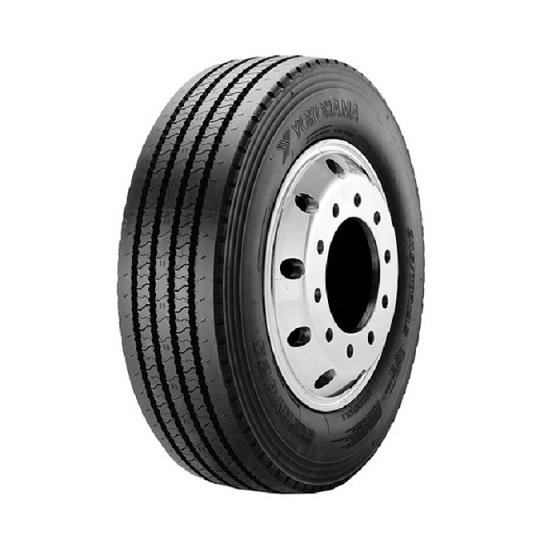
Thailand is recognized globally for its rubber production, which plays a major role in tire manufacturing. Access to natural rubber resources gives manufacturers and exporters an advantage in producing commercial-grade tires for various applications, including long-haul trucks, trailers, buses, and construction vehicles.
The country also benefits from well-developed industrial zones and port facilities that support efficient international shipping. Many exporters operate through containerized cargo systems, allowing shipments to reach markets in Asia, the Middle East, Africa, Europe, and North America with improved logistics management.
For international buyers, sourcing from a Truck Tire Container Load Supplier Thailand can provide operational benefits such as consolidated shipping, better inventory planning, and scalable procurement options. Container-based exports allow businesses to order mixed tire sizes and specifications according to market demand while maintaining shipping efficiency.
Importance of Container Load Tire Exports
Container loading plays an essential role in the tire export business because it directly affects transportation efficiency and product handling. Exporters typically optimize tire arrangement inside containers to maximize capacity while ensuring safe transit conditions.
There are several reasons why container-load purchasing has become common in the commercial tire market:
Better Cost Management
Bulk container shipments often reduce overall transportation costs compared to smaller or fragmented orders. Importers can manage pricing more effectively when products are shipped in full container loads.
Improved Inventory Planning
Large shipments help distributors maintain sufficient inventory for local demand. This becomes especially important in regions where transportation companies require frequent tire replacement services.
Flexible Product Selection
Container shipments can include multiple tire sizes and tread patterns. This flexibility supports buyers serving different vehicle categories and road conditions.
Streamlined International Shipping
Containerized cargo reduces handling risks during transit and simplifies customs and logistics procedures in many international ports.
These operational advantages continue to encourage businesses to work with suppliers that specialize in high-volume commercial tire exports.
Factors Buyers Consider When Choosing a Supplier
Commercial tire procurement involves more than comparing prices. Buyers usually evaluate several operational and quality-related factors before selecting an export partner.
Manufacturing Standards
Importers often look for suppliers connected with factories that follow recognized manufacturing and quality control procedures. Tire durability, load capacity, and tread performance are important considerations for fleet operations.
Product Range
Different regions require tires suited for varying road conditions, climates, and transportation systems. Suppliers that offer multiple sizes and patterns can better support diverse customer requirements.
Export Experience
Experience in handling export documentation, customs procedures, and container logistics is important for smooth international transactions. Established exporters generally understand destination market requirements more effectively.
Shipping Reliability
Timely shipment schedules are critical for distributors and wholesalers. Delays in tire deliveries can affect transportation businesses and fleet maintenance operations.
Communication and Support
Professional communication and clear documentation help reduce misunderstandings during international transactions. Buyers often prefer suppliers capable of providing accurate shipment updates and technical specifications.
These factors contribute significantly to long-term business relationships in the global tire trade sector.
Growth of Commercial Transportation Worldwide
The rise of e-commerce, industrial development, and infrastructure projects has increased demand for commercial transportation worldwide. Trucks continue to serve as the backbone of freight movement in many countries, especially where road transport dominates regional logistics.
As transportation networks expand, fleet operators face continuous tire replacement needs due to heavy mileage and varying road conditions. Commercial tires experience significant wear during daily operations, making regular replacement necessary for safety and performance.
This growing demand has strengthened the role of export-oriented suppliers capable of handling large shipment volumes. Businesses seeking a Truck Tire Container Load Supplier Thailand often prioritize suppliers that can support recurring orders without major supply interruptions.
The increasing movement of goods across borders also contributes to stronger demand for reliable commercial tire distribution systems globally.

Challenges in International Tire Supply Chains
Although the global tire trade continues to grow, the industry also faces several operational challenges.
Shipping Costs and Logistics
International freight rates can fluctuate depending on fuel prices, shipping demand, and global trade conditions. Exporters and importers must carefully manage logistics planning to maintain cost efficiency.
Raw Material Price Variations
Rubber and other manufacturing materials are subject to market price changes. These fluctuations can influence overall production costs and export pricing.
Regulatory Compliance
Different countries maintain unique import regulations and certification requirements for commercial tires. Suppliers and buyers must ensure products meet local standards.
Inventory Management
Balancing inventory levels remains important for distributors. Overstocking may increase storage expenses, while understocking can lead to supply shortages.
Market Competition
The commercial tire industry remains highly competitive, with suppliers from multiple regions competing in international markets. Consistent quality and dependable logistics often become key differentiators.
Understanding these challenges helps buyers and exporters improve long-term operational planning.
Trends Influencing the Tire Export Industry
Several emerging trends are shaping the future of commercial tire exports and distribution.
Increased Focus on Durability
Fleet operators increasingly seek tires designed for longer operational life and improved fuel efficiency. Durable tires can help reduce maintenance frequency and operational downtime.
Expansion of Global Logistics Networks
Growing international trade routes continue to increase demand for heavy-duty transportation services and replacement tires.
Digital Supply Chain Management
Technology is improving shipment tracking, inventory planning, and communication between exporters and buyers. Digital systems help streamline international transactions and logistics coordination.
Demand for Diverse Tire Specifications
Commercial transportation needs vary by region and industry. Exporters capable of offering broader product selections may gain stronger market opportunities.
Sustainable Manufacturing Interest
Some buyers are beginning to evaluate environmental considerations related to manufacturing processes and material sourcing within the tire industry.
These trends indicate continued evolution in how commercial tire suppliers operate within international markets.
The Role of Thailand in Global Tire Exports
Thailand continues to strengthen its position as a manufacturing and export center for commercial tires. Its combination of industrial infrastructure, rubber resources, and international shipping connectivity makes it an important participant in the global tire supply chain.
Many buyers searching for a Semi Truck Tires Thailand Supplier Export partner are interested in suppliers capable of handling large-scale orders while maintaining reliable shipping schedules. Thailand’s export sector supports these requirements through established logistics systems and growing manufacturing capacity.
The country’s access to major shipping routes also supports efficient distribution to multiple international destinations. This logistical advantage contributes to Thailand’s growing reputation in the commercial tire export industry.
The commercial tire export market plays a vital role in supporting transportation, logistics, and industrial operations around the world. As freight movement and infrastructure development continue to expand, the need for dependable tire supply systems remains strong.
Businesses seeking a Truck Tire Container Load Supplier Thailand often prioritize factors such as shipment reliability, product availability, export experience, and logistics efficiency. Container-based exports provide practical advantages for distributors and fleet-related industries requiring large-volume procurement solutions.
Thailand’s continued growth as a commercial tire sourcing destination reflects its manufacturing capabilities, natural resource access, and export infrastructure. As international trade evolves, suppliers and buyers alike will continue adapting to changing logistics trends, transportation demands, and global market conditions.
Contact Us :
- JP AUTO ACCESS CO.LTD
- 88/78, Moo 4, Velana Golf House, Phla, Ban Chang, Rayong 21130, Thailand
- +66 90 912 6068