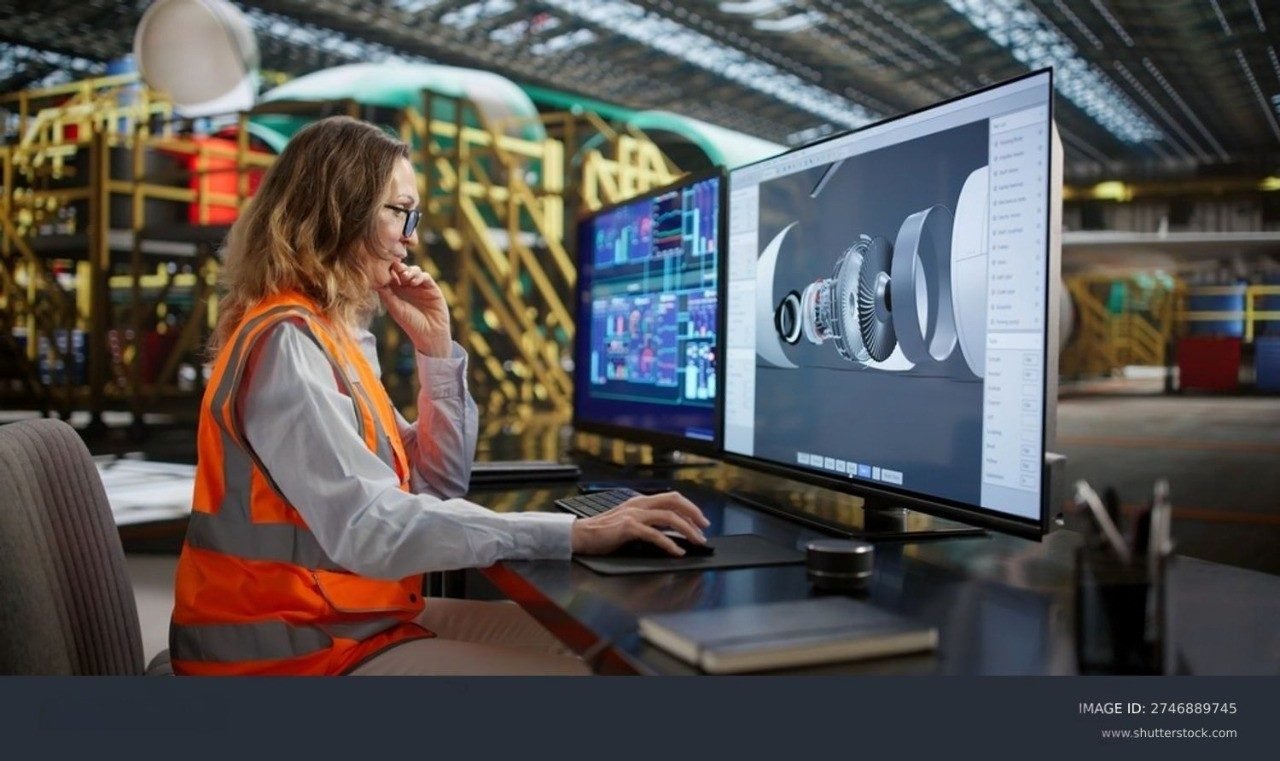
Factories today are changing faster than ever. Machines talk to computers, sensors track every movement on the shop floor, and data flows in from dozens of sources at once. Yet many manufacturing units still rely on outdated systems that cannot keep up with this pace. If your factory feels slower, more error prone, or harder to manage than it should be, it may be time to ask a simple question: is your factory ready for smarter technology?
Why Manufacturing IT Services Matter Now
Modern manufacturing IT services help factories connect machines, people, and data into one smooth system. Instead of relying on separate tools for inventory, production tracking, and quality checks, a well-designed IT setup brings everything together. This means fewer delays, fewer manual errors, and better visibility into what is happening on the floor at any given moment. Owners and plant managers who adopt these services often notice quicker decision making, since real-time data replaces guesswork. In a competitive market, this kind of clarity is no longer optional. It has become a basic requirement for staying efficient and profitable.
Indicators That Your Factory May Require an Upgrade
Not every factory needs to overhaul its systems overnight, but certain signs point to a real need for change. If your team still tracks production numbers on paper or in scattered spreadsheets, that is a warning sign. If machines break down without warning because there is no system to predict maintenance needs, that is another. Frequent miscommunication between departments, slow reporting, and difficulty tracking inventory in real time are all clear signals that your current setup is holding you back. These problems rarely fix themselves. They tend to grow larger as production scales up.
The Core Benefits of Smarter Systems
Smarter IT systems in manufacturing are not just about adding new software. They are about creating a factory that runs with fewer surprises. With connected systems, machines can report their own health status, alerting teams before a small issue becomes a costly breakdown. Production data becomes easier to analyze, helping managers spot patterns and improve output. Inventory tracking becomes more accurate, reducing waste and preventing stock shortages. Employees also benefit, since automated systems reduce repetitive manual work and let staff focus on tasks that need human judgment. Over time, these small improvements add up to real savings in cost and time.
Common Concerns Factory Owners Have
Many factory owners hesitate before upgrading their systems, and this hesitation is understandable. Cost is often the first concern, followed by worries about disrupting daily operations during the transition. There is also the fear of choosing the wrong technology partner, one who does not understand the specific needs of a manufacturing environment. These concerns are valid, but they can be managed with proper planning. Choosing a phased approach, where systems are upgraded step by step rather than all at once, reduces risk. Working with experienced technology partners who have handled similar projects also lowers the chance of costly mistakes.
How to Know If You Are Truly Ready
Readiness is not only about having a budget. It also depends on your team's willingness to adapt, your current data practices, and your long-term goals. Before making any move, it helps to ask a few honest questions. Does your current system give you accurate, real-time information? Can your staff access the data they need without delays? Are your machines and software able to share information with each other? If the answer to these questions is no, then your factory likely has room to grow through better technology. Readiness also means having leadership support, since any major upgrade needs commitment from the top to succeed.
Practical Steps to Move Forward
Getting started does not require a complete overhaul on day one. Begin by mapping out your current processes and identifying the biggest pain points. Talk to your floor staff, since they often know exactly where delays and errors happen most. Next, look for solutions that match your specific industry needs rather than generic software. Testing new systems on a small scale before a full rollout can also prevent major disruptions. Throughout this process, keep communication open with your team, so everyone understands why the change is happening and how it will help them in their daily work.
Conclusion
Smarter manufacturing is not a distant trend anymore. It is becoming the standard for factories that want to stay competitive and efficient. Recognizing the signs of an outdated system is the first step, and taking gradual, well-planned action is the second. Many factories find success by partnering with a trusted manufacturing software development company that understands both the technical side of IT and the practical realities of running a factory floor. With the right support and a clear plan, your factory can move toward a smarter, more reliable future without unnecessary risk or disruption.
Frequently Asked Questions
Q1. What does it mean for a factory to be "smart"?
A smart factory uses connected systems, real-time data, and automated tools to monitor production, manage inventory, and reduce manual errors across daily operations.
Q2. Is upgrading factory IT systems expensive?
Costs vary depending on the size of the factory and the systems chosen. A phased upgrade approach often makes the investment more manageable over time.
Q3. How long does it take to implement new manufacturing systems?
Timelines depend on the scope of the project, but small-scale testing before a full rollout usually takes a few weeks to a few months.
Q4. Will new technology replace factory workers?
No. These systems are designed to reduce repetitive manual tasks, allowing workers to focus on more valuable, judgment-based work instead of replacing them.
Q5. How do I choose the right technology partner for my factory?
Look for a partner with proven experience in manufacturing environments, a clear implementation plan, and a willingness to customize solutions to your specific needs.