Indoor Signs in Atlanta: Smart, Functional Signage That Elevates Your Business
By zyran 02-02-2026 139
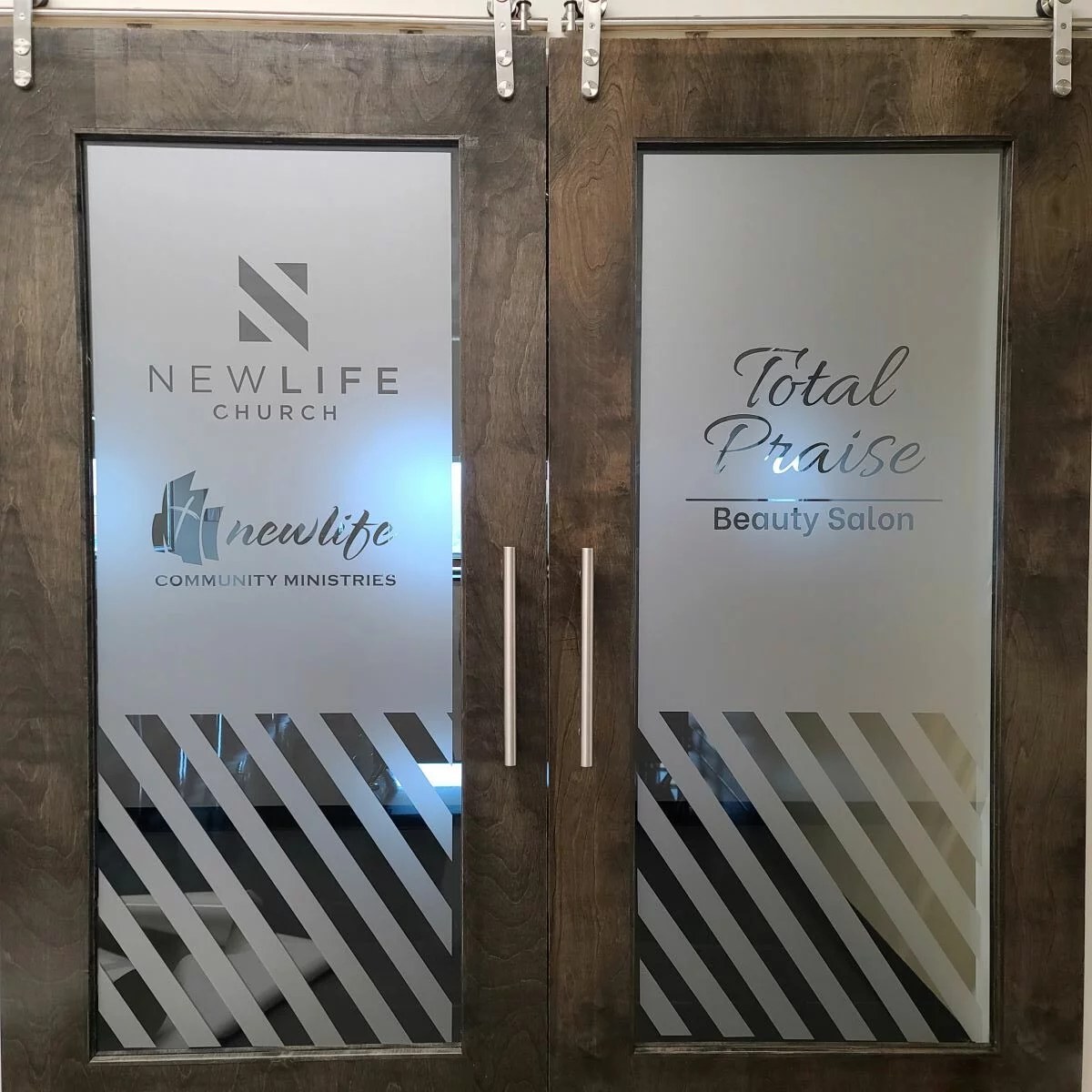
Indoor signage plays a bigger role in business success than most owners realize. From guiding customers through your space to reinforcing your brand identity, indoor signs are essential for creating a professional and welcoming environment. If you operate a business in Georgia, investing in high-quality indoor signs in Atlanta can significantly improve customer experience, employee efficiency, and brand perception.
This guide explains everything you need to know about indoor signage—types, benefits, materials, and how to choose the right solution for your Atlanta business—without fluff or sales hype.
What Are Indoor Signs and Why Do They Matter?
Indoor signs are visual communication tools installed inside commercial spaces. They help customers navigate, understand your services, and connect with your brand. In busy cities like Atlanta, where competition is high, indoor signage helps businesses stand out and operate smoothly.
Well-designed indoor signs:
Reduce confusion and foot traffic bottlenecks
Improve brand recognition
Enhance professionalism
Support ADA compliance
Influence purchasing decisions
Whether you run a corporate office, retail store, medical clinic, restaurant, or school, indoor signage is not optional—it’s functional branding.
Popular Types of Indoor Signs in Atlanta
Different industries need different signage solutions. Here are the most common indoor signs Atlanta businesses rely on:
Lobby & Reception Signs
These signs create the first impression. Often featuring logos, dimensional letters, or acrylic panels, lobby signs set the tone for your brand as soon as someone walks in.
Wayfinding & Directional Signs
Wayfinding signs guide visitors through offices, hospitals, schools, and malls. Clear navigation improves customer satisfaction and reduces staff interruptions.
Wall Graphics & Murals
Wall graphics combine branding and décor. Many Atlanta businesses use them to display company values, timelines, or bold visuals that energize the space.
Office & Door Signs
Room identifiers, nameplates, and department signs help maintain organization and professionalism in office environments.
ADA-Compliant Signs
Braille and tactile signs are legally required in many commercial buildings. These signs ensure accessibility while meeting local and federal regulations.
Menu Boards & Retail Displays
Restaurants and retail stores rely on indoor signs to showcase products, pricing, promotions, and brand personality.
Why Businesses Choose Indoor Signs in Atlanta
Atlanta is a diverse, fast-growing business hub. Companies invest in indoor signage to stay competitive and adaptable.
Key reasons include:
High foot traffic environments need clear navigation
Modern office culture demands clean, branded interiors
Customer expectations for professional spaces are higher
Local regulations require ADA-compliant signage
Indoor signs aren’t just decoration—they’re tools that improve daily operations.
Materials Commonly Used for Indoor Signs
Choosing the right material affects durability, appearance, and cost. Popular materials for indoor signs include:
Acrylic – Clean, modern, and versatile
PVC & Foam Board – Lightweight and cost-effective
Metal (Aluminum, Stainless Steel) – Sleek and professional
Vinyl – Ideal for wall graphics and temporary signage
Wood – Warm, custom, and great for creative branding
Each material suits different environments and branding goals.
Design Tips for Effective Indoor Signage
Good indoor signs balance aesthetics with functionality. Here’s what works best:
Use readable fonts and proper spacing
Maintain brand colors and logo consistency
Avoid clutter—simple messages perform better
Ensure visibility from the correct viewing distance
Match signage style with interior design
Professional design ensures your signage communicates clearly and looks intentional—not improvised.
Custom Indoor Signs vs. Generic Signs
While off-the-shelf signs may seem cheaper, they often fall short in quality and branding impact.
Custom indoor signs in Atlanta offer:
Exact brand alignment
Better fit for your space
Long-term durability
Professional installation
Compliance with building codes
Custom signage is an investment, not an expense.
Industries That Benefit Most from Indoor Signs
Indoor signage is widely used across Atlanta in:
Corporate offices
Healthcare facilities
Retail stores
Restaurants and cafés
Hotels and hospitality spaces
Educational institutions
Warehouses and industrial facilities
Every indoor environment benefits from clear, consistent signage.
Installation Matters More Than You Think
Even the best-designed sign can fail if installed incorrectly. Poor alignment, damaged walls, or improper mounting can ruin the look and shorten lifespan. Professional installation ensures safety, accuracy, and long-term performance.
FAQs About Indoor Signs in Atlanta
How long do indoor signs last?
Most indoor signs last 5–10 years or longer, depending on material and environment.
Are indoor signs customizable?
Yes. Customization includes size, color, material, font, and mounting style.
Do indoor signs require permits in Atlanta?
Most indoor signs do not require permits, but ADA signs must meet specific regulations.
How long does it take to produce indoor signage?
Production usually takes 1–3 weeks depending on complexity and materials.
Can indoor signs be updated or replaced later?
Yes. Modular and vinyl-based signage makes updates easy and cost-effective.
Final Thoughts
Indoor signage is one of the most practical ways to improve communication, branding, and customer experience inside your business. Whether you need lobby branding, wayfinding, wall graphics, or ADA signage, investing in high-quality indoor signs in Atlanta helps your space function better and look more professional.
To ensure expert design, proper materials, and flawless installation, working with a trusted atlanta sign company makes all the difference.