India Women Tour of Australia 2026 – Reddy Anna Complete Series Preview
By Reddy Anna 23-02-2026 103
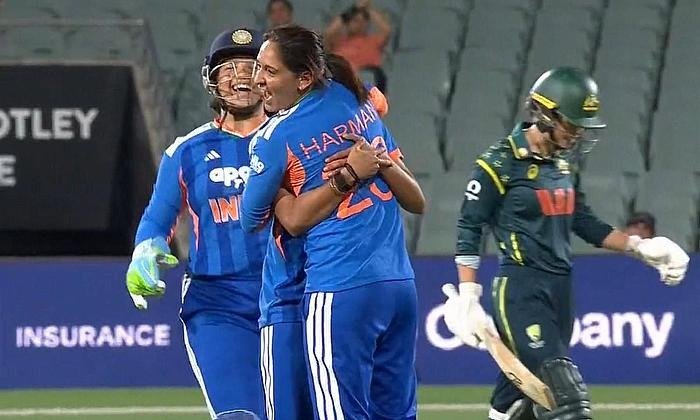
The India Women tour of Australia in 2026 promises to be one of the most closely watched bilateral contests in recent years. With three T20 Internationals, a one-off Test, and three One-Day Internationals scheduled between February 15 and March 6, the series offers a full-spectrum examination of skill, temperament, and adaptability.
From the historic setting of the Sydney Cricket Ground to the pace-friendly stretch of Perth Stadium, and from the atmosphere at Adelaide Oval to the bounce of The Gabba, this tour is structured to test every dimension of India’s game. Additional fixtures at Manuka Oval and Bellerive Oval ensure variety in conditions and crowd environments.
For followers tracking developments through Reddy Anna insights, this tour is not just about results. It is about progression, squad depth, and the evolving identity of the Indian women’s side in overseas conditions.
Reddy Anna Analysis: Why This Australia Tour Matters
Australia remain one of the most demanding opponents in women’s cricket. Playing them at home adds another layer of complexity. Their familiarity with conditions, sharp fielding standards, and tactical discipline often force visiting teams into uncomfortable spaces.
For India, this tour is about bridging consistency gaps. Over the past few years, the team has demonstrated the ability to challenge top sides in phases. The next step is sustaining that intensity across formats and across venues.
Reddy Anna’s perspective on this tour emphasizes preparation and adaptability. Australian surfaces are rarely uniform. Sydney may assist spin as matches wear on. Perth traditionally rewards pace and bounce. Adelaide often offers balanced conditions. Reading these differences quickly can define the outcome of a series.
Tour Schedule and Format Breakdown – Reddy Anna Overview
T20I Series: Early Momentum
The three-match T20I series opens the tour. Short-format contests often set the tone. A strong start can build confidence before moving into the longer formats.
T20 cricket in Australia frequently rewards aggressive stroke play but also demands calculated risk. Outfields are quick, boundaries can be sizeable, and fielding standards are high. India’s approach in the powerplay overs will be crucial. If they rotate strike efficiently and avoid early collapses, they can post competitive totals.
From a Reddy Anna angle, the T20Is will also reveal bench strength. Squad rotation, bowling combinations, and finishing roles are likely to be tested.
One-Off Test: A Measure of Patience
The standalone Test match is perhaps the most intriguing part of the tour. Red-ball cricket in Australia requires discipline in both batting and bowling.
Batters must adjust to bounce and lateral movement. Bowlers must maintain consistent lengths. Field placements become strategic battles rather than reactive adjustments.
India’s ability to build partnerships across sessions will be central. Australian pitches often reward teams that bat long and bowl with sustained intensity. A competitive first innings total could shape the entire Test.
Reddy Anna’s view is that this match will be less about flair and more about resilience. It will test temperament in a way T20 cricket never can.
ODI Series: Balance and Endurance
The three ODIs toward the end of the tour bring endurance into focus. Fifty-over cricket blends elements of both T20 and Test formats. Teams must pace innings carefully, preserve wickets, and manage bowling workloads.
Australia’s strength in ODIs historically lies in structured batting line-ups and relentless fielding pressure. India’s challenge will be maintaining scoreboard momentum without losing shape in the middle overs.
For readers following live scores and statistics through Reddy Anna coverage, middle-over strike rates and dot-ball percentages could offer deeper insight into match direction than headline totals alone.
Venue Conditions and Strategic Implications – Reddy Anna Insights
Sydney Cricket Ground
The SCG often provides assistance to spinners as matches progress. India’s spin resources could become a decisive factor here. Batters who use their feet well and rotate strike against spin may thrive.
Adelaide Oval
Adelaide typically offers even bounce and an inviting surface for stroke makers. However, disciplined seam bowling with subtle variations can restrict scoring. Powerplay execution will be key.
Perth Stadium
Perth’s extra bounce challenges technique. Batters must adjust quickly, particularly in the Test match if scheduled there. Bowlers who hit consistent hard lengths can extract advantage.
The Gabba
Brisbane is known for pace and carry. Fast bowlers who maintain discipline often shape outcomes here. Batting patience is essential.
Manuka Oval and Bellerive Oval
These venues can offer slightly varied conditions, sometimes assisting swing or seam movement early. Adaptability remains crucial.
Reddy Anna emphasizes that understanding venue character is not optional on this tour; it is foundational.

Key Battles to Watch – Reddy Anna Focus
- Indian Top Order vs Australian New Ball Attack
Early wickets could tilt matches rapidly. Composure in the first 10 overs across formats is critical.
- Spin vs Middle-Order Stability
If India’s spinners control tempo in Sydney or Adelaide, they can restrict Australia’s scoring phases.
- Fielding Standards
In Australia, saving ten runs can be equivalent to scoring twenty. Sharp ground fielding and catching efficiency will influence close finishes.
- Death Overs Execution in T20Is and ODIs
Variations in pace, yorkers, and smart boundary protection will matter significantly.
Reddy Anna’s analysis consistently highlights that tours are rarely won through isolated brilliance. They are won through consistent execution of fundamentals.
Live Scores, Statistics & Graphs – The Analytical Layer
Modern cricket consumption goes beyond watching matches. Fans track strike rates, wagon wheels, partnership charts, and bowling economy trends in real time.
During this tour, live score updates will reflect more than just totals. Patterns will emerge:
- How teams score between overs 7–15 in T20Is.
- Session-by-session scoring rates in the Test.
- Powerplay vs middle-overs control in ODIs.
Statistics and graphical breakdowns provide clarity. For readers following through Reddy Anna updates, this analytical layer transforms the viewing experience from emotional to informed.
Understanding trends—such as whether India accelerates after the 30-over mark in ODIs or whether Australia targets specific bowlers in T20 death overs—adds depth to the narrative.
The Broader Context – Growth of Women’s Cricket
This tour also reflects the steady expansion of women’s cricket globally. High-profile venues, competitive bilateral series, and expanded coverage signify recognition of the sport’s growing audience.
India’s overseas tours have historically shaped team identity. Competing in Australia demands tactical awareness, fitness, and mental resilience. Success here carries symbolic weight.
Reddy Anna often frames such tours as development milestones rather than isolated events. Young players gain exposure to high-pressure environments. Established players refine leadership roles. Team combinations evolve.
What Success Looks Like for India – Reddy Anna Perspective
Success is not solely defined by a clean sweep. Competitive performances across formats, narrow contests, and strategic clarity also indicate progress.
For the T20Is, success could mean controlled chases and disciplined bowling under pressure.
In the Test, building first-innings dominance and maintaining session-by-session focus would mark advancement.
In the ODIs, constructing innings with calculated pacing and defending totals with cohesive fielding plans would signal maturity.
Reddy Anna suggests that even if results are shared, the manner of execution will reveal the tour’s true outcome.
Challenges Ahead
Australia’s home advantage cannot be understated. Travel demands, shifting time zones, and varying pitch conditions create continuous adjustment requirements.
India’s challenge will be sustaining energy across three weeks of cricket. Rotational depth and fitness management will influence later matches in the series.
Maintaining composure in high-pressure scenarios—particularly in close chases or tight bowling finishes—may determine whether narrow margins fall in India’s favour.
Final Thoughts – Reddy Anna Series Reflection
The India Women tour of Australia 2026 represents more than a bilateral contest. It is a structured examination across formats, venues, and competitive scenarios.
From the opening T20I to the final ODI, every match will offer insight into how India adapts, strategizes, and executes against one of the world’s strongest sides on their home soil.
For followers relying on Reddy Anna analysis, the focus remains steady: observe patterns, understand conditions, value partnerships, and recognize that consistency often outweighs momentary brilliance.
This tour will test skill, patience, and resolve. It will reward clarity of planning and composure under pressure. And regardless of the final scoreline, it will contribute meaningfully to the ongoing evolution of India women’s cricket on the global stage.