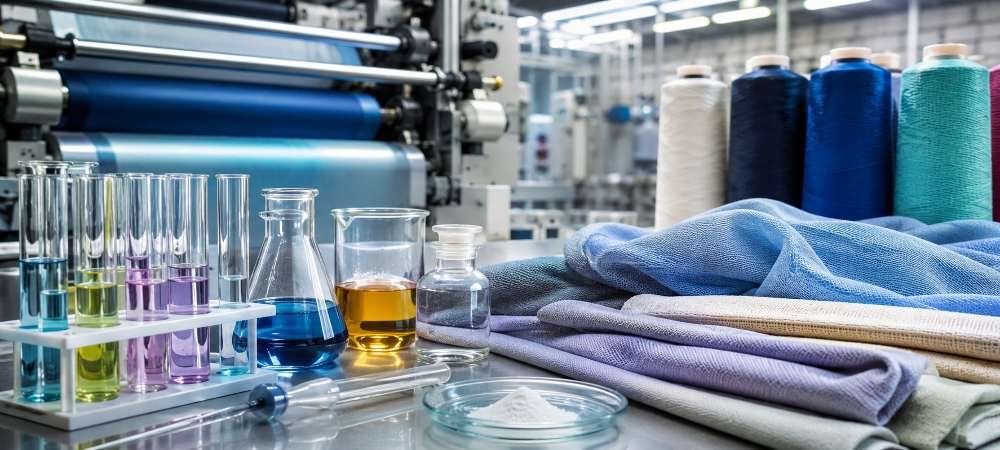
India Textile Specialty Chemicals play an important role in enhancing the quality, durability, and functionality of modern textiles. These chemicals are used throughout textile processing, from pre-treatment and dyeing to finishing and performance enhancement. As consumer expectations evolve and manufacturers seek greater efficiency, specialty chemicals have become increasingly important for producing fabrics that meet performance, comfort, and sustainability requirements.
The textile sector remains one of India's most significant manufacturing industries, supplying products to domestic and international markets. Within this ecosystem, specialty chemicals contribute to improving fabric appearance, color retention, softness, moisture management, and resistance to environmental factors. Their use supports innovation across apparel, home textiles, technical textiles, and industrial fabric applications.
The Expanding Importance of Advanced Textile Processing
Modern textile manufacturing involves multiple stages that require specialized chemical solutions. Textile specialty chemicals help optimize these processes by improving operational efficiency and ensuring consistent product quality. Manufacturers increasingly rely on these solutions to achieve desired fabric characteristics while meeting regulatory and environmental requirements.
Various categories of specialty chemicals are utilized across the textile value chain, including surfactants, sizing agents, bleaching agents, dyeing auxiliaries, finishing chemicals, coating materials, and functional additives. These products support the production of textiles that deliver improved performance while maintaining manufacturing efficiency.
As global competition intensifies, textile producers are focusing on differentiation through fabric quality and functionality. Specialty chemicals enable manufacturers to develop textiles with enhanced durability, comfort, stain resistance, antimicrobial properties, and moisture management capabilities, helping them meet evolving consumer expectations.
Innovation Driving Fabric Enhancement Across Applications
Technological advancements continue to influence the development of textile specialty chemicals. Manufacturers are introducing innovative formulations designed to improve processing efficiency while reducing water consumption, energy usage, and chemical waste. These developments support sustainability goals without compromising fabric performance.
According to MarkNtel Advisors, the increasing demand India Textile Specialty Chemicals Market, industrial, and technical applications is contributing to greater adoption of specialty chemical solutions. Companies are investing in research and development to create advanced products capable of delivering multiple fabric benefits through a single treatment process.
Performance-focused applications such as sportswear, protective clothing, healthcare textiles, automotive fabrics, and home furnishings increasingly require specialized treatments. Textile specialty chemicals help manufacturers achieve desired product characteristics while maintaining cost efficiency and production consistency.
Supporting Functional and Technical Textile Applications
Technical textiles represent one of the fastest-evolving segments within the broader textile sector. These products are designed to perform specific functions rather than simply provide aesthetic value. Specialty chemicals support the development of textiles used in healthcare, construction, agriculture, transportation, and industrial operations.
Chemical treatments can enhance flame resistance, water repellency, UV protection, antimicrobial performance, and mechanical strength. These properties are becoming increasingly important as industries seek materials capable of delivering improved safety, reliability, and longevity.
According to Textile World, functional finishing technologies continue to play a critical role in improving textile performance and supporting innovation across advanced fabric applications.
India’s Position in Global Textile Manufacturing
India remains one of the world's largest textile producers and exporters, supported by a well-established manufacturing base and extensive supply chain infrastructure. The country's textile sector serves a diverse range of domestic and international customers, creating sustained demand for advanced chemical solutions.
The growing emphasis on value-added textile products is encouraging manufacturers to invest in modern processing technologies and specialty chemical formulations. Export-oriented producers, in particular, are focusing on improving quality standards to meet evolving global requirements.
Government initiatives supporting textile modernization, infrastructure development, and technical textile adoption may further contribute to the demand for specialty chemicals across the country. These efforts are helping strengthen India's competitiveness within the global textile landscape.
According to India Brand Equity Foundation (IBEF), India's textile sector continues to benefit from strong manufacturing capabilities and growing opportunities across domestic and export markets.
Balancing Performance Expectations with Sustainability Goals
While specialty chemicals provide significant performance advantages, sustainability remains an important consideration for textile manufacturers. Environmental regulations, consumer awareness, and corporate sustainability commitments are encouraging the adoption of cleaner production methods and environmentally responsible chemical formulations.
Manufacturers are increasingly exploring low-impact chemicals, biodegradable ingredients, and water-saving technologies to reduce environmental footprints. The transition toward sustainable textile processing requires continuous innovation and collaboration throughout the value chain.
At the same time, balancing performance requirements with sustainability objectives presents ongoing challenges. Companies must ensure that alternative formulations continue to deliver the functionality and durability expected by customers while complying with evolving environmental standards.
According to United Nations Environment Programme, sustainable production practices are becoming increasingly important across manufacturing sectors as organizations work to reduce environmental impacts and improve resource efficiency.
Key Companies Active in the Sector
The India Textile Specialty Chemicals landscape includes the presence of several global and regional chemical manufacturers supplying products across various stages of textile processing. Companies focus on developing innovative solutions that improve fabric performance, processing efficiency, and environmental compliance.
Major participants often invest in research and development, technical support services, and collaborative partnerships with textile manufacturers. These efforts help accelerate the adoption of advanced chemical technologies while supporting the evolving needs of the textile sector.
As textile applications continue to diversify, suppliers are expected to focus on multifunctional formulations capable of delivering enhanced performance while addressing sustainability priorities.
In summary, India Textile Specialty Chemicals remain a critical component of modern textile manufacturing. Their ability to improve fabric quality, support functional applications, and enable process efficiency makes them an essential part of the industry's development. As innovation and sustainability continue to shape textile production, specialty chemical solutions may play an increasingly important role in helping manufacturers meet future performance and environmental expectations.