Hydradermabrasion Compares with Microdermabrasion – Which One Is Right for Your Skin?
By Mason Creed 26-05-2026 76
Your skin deserves the right treatment, not just any treatment. With so many facial options available today, it is easy to feel unsure about where to start. Two names that keep coming up in skin care conversations are hydradermabrasion and microdermabrasion. Both are non-invasive, both are widely available, and both promise better-looking skin. But they are not the same thing, and choosing the wrong one for your skin type can leave you disappointed. How hydradermabrasion compares with microdermabrasion, the differences are clear — and understanding them helps you make the right call for your skin.
What Makes These Two Treatments Different
At first glance, both treatments sound similar. They both exfoliate the skin, both use special devices, and both aim to improve skin texture and clarity. But the way they go about it is quite different.
Microdermabrasion is a physical exfoliation treatment. It uses a diamond-tipped wand or fine crystals to buff away the outermost layer of dead skin cells. The process is mechanical and straightforward. A suction pulls the loosened debris off the skin as the device moves across it.
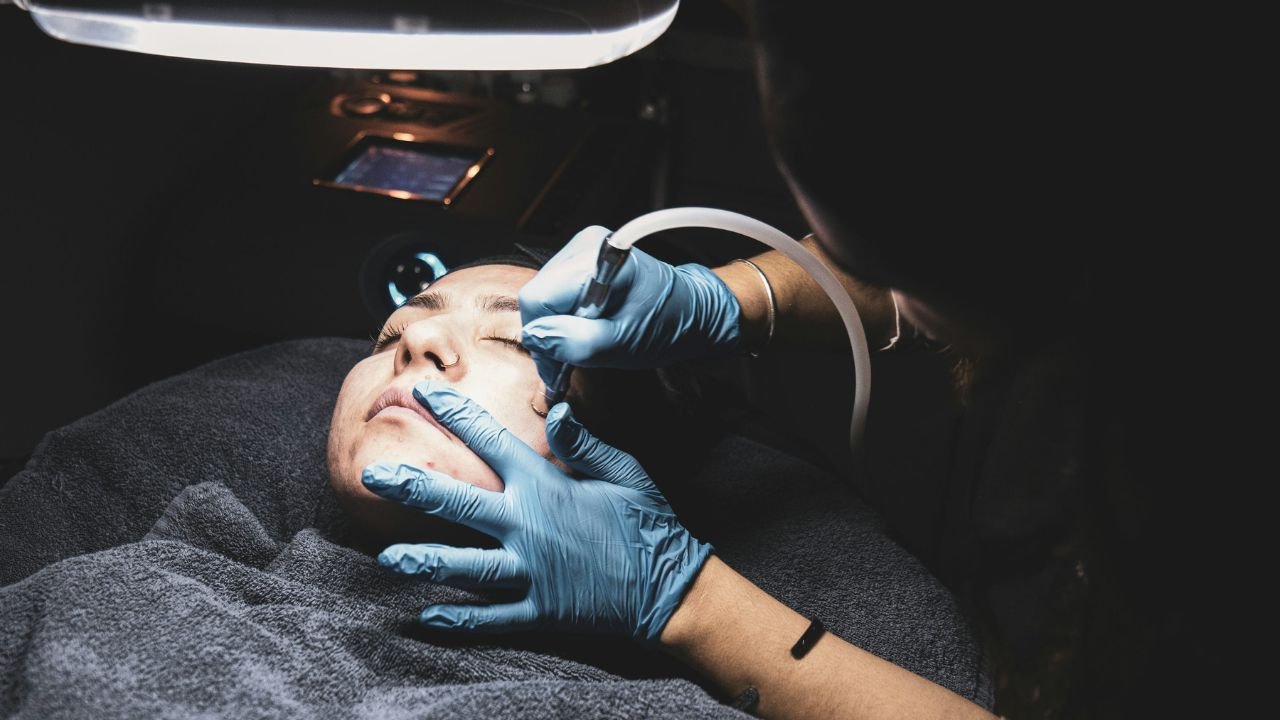
Hydradermabrasion also exfoliates, but it adds something extra to the process. While the skin is being cleaned and exfoliated, the device simultaneously pushes hydrating serums and active ingredients into the skin. It is a two-step process happening at the same time — cleanse and nourish together.
That single difference changes everything about how your skin feels after each treatment.
Breaking Down Microdermabrasion
Microdermabrasion has been a go-to skin treatment for many years. It is well-tested, widely trusted, and delivers consistent results for the right skin type.
The treatment works best on skin that is oily, thick, or resilient. It is a good choice for people dealing with clogged pores, mild acne scarring, uneven skin texture, or early signs of sun damage.
What to Expect After Microdermabrasion
After the treatment, the skin can feel slightly sensitive and may appear a little pink or red. This is completely normal and usually settles within a day or two. Most therapists recommend avoiding direct sun exposure and heavy skincare products for a short period after the session.
Results are gradual. Most people see the best improvement after a course of treatments rather than a single session. With regular use, microdermabrasion can make a noticeable difference in skin smoothness and brightness.
Breaking Down Hydradermabrasion
Hydradermabrasion is the newer option and has quickly become a favourite for people who want results without any downtime or discomfort.
The device uses a spiral-shaped tip that exfoliates and extracts at the same time as delivering a stream of hydrating serum into the skin. The serum used can be customised based on your skin concerns — whether that is dryness, dullness, oiliness, or early ageing.
What to Expect After Hydradermabrasion
This is where hydradermabrasion really stands apart. After the treatment, the skin typically looks glowing, feels smooth, and has a plump, hydrated quality to it. There is usually no redness, no sensitivity, and no recovery time needed.
Most people walk out looking noticeably better than when they walked in. It is one of the reasons hydradermabrasion has become so popular before events, holidays, or special occasions.
So Which One Is Right for Your Skin?
This is the real question, and the honest answer is that it depends on your skin type and your goals.
If you have oily, congested, or resilient skin and want a deeper exfoliation that targets texture and surface damage, microdermabrasion is a strong choice. It is reliable, affordable, and well-suited for tougher skin that can handle a more physical approach.
If your skin is dry, sensitive, combination, or simply in need of a boost of hydration and radiance, hydradermabrasion is likely the better fit. It is gentler, more nourishing, and works well for a wider range of skin types without any of the post-treatment tightness.
If you are still unsure, speaking with a trained skin therapist is always the smartest move. They will assess your skin properly and guide you toward the right choice.
At the end of the day, both treatments can do a lot of good for your skin. The key is simply matching the right one to your needs. When hydradermabrasion compares with microdermabrasion for your specific skin type, one will almost always feel like the obvious answer — and now you have what you need to figure out which one that is.
Tags : .....