How Wearable Electronics Are Becoming Part of the UAE’s Connected Lifestyle
By Adam Williamson 25-08-2026 193
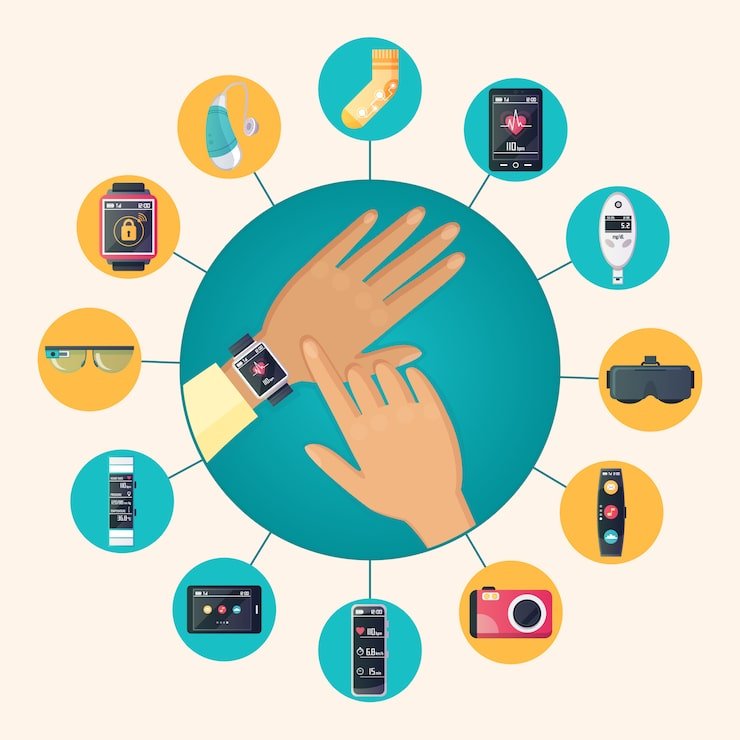
Wearable electronics are increasingly positioned at the intersection of consumer technology, personal convenience, communication, fitness, and digital lifestyles. Smartwatches, fitness trackers, connected accessories, and other wearable devices can provide users with information and functions directly from the body, reducing the need to rely on smartphones for every interaction.
According to a Vyansa Intelligence report, Thailand’s wearable electronics industry was valued at $470 million in 2024 and is projected to reach $645 million by 2030, representing a CAGR of 5.42% from 2025 to 2030. These figures provide a quantitative perspective on an industry shaped by connected technology, device functionality, personal monitoring, convenience, wireless connectivity, and changing consumer expectations.
Wearables Are Expanding Beyond Basic Accessories
Wearable electronics have developed from simple digital accessories into multifunctional devices. Smartwatches and fitness trackers can combine timekeeping, notifications, activity monitoring, communication, and other digital functions within a compact form factor.
The ability to access information directly from a wrist-worn or body-worn device can make certain daily interactions more convenient. Users may check notifications, monitor activities, manage selected smartphone functions, or access other connected services without repeatedly reaching for another device.
The industry analysis therefore needs to consider wearable electronics as part of a broader connected-device ecosystem.
Health and Fitness Functions Are Increasingly Relevant
Health and fitness features are among the most recognizable functions associated with wearable electronics. Depending on the device, sensors can collect information related to physical activity and other personal measurements.
Fitness-oriented wearables can help users monitor exercise routines, track activity, and review information through connected applications. This makes the device not only a piece of consumer electronics but also a tool for personal awareness.
According to this industry report, the usefulness of wearable technology depends partly on how effectively these functions are presented in an accessible and understandable format.
Connectivity Is Central to the Wearable Experience
Wireless connectivity allows wearable devices to communicate with smartphones and other connected systems. Bluetooth and other wireless technologies can enable synchronization, notifications, data transfer, and access to connected applications.
Thailand's National Broadcasting and Telecommunications Commission maintains technical standards and regulatory requirements for telecommunications equipment, including wireless devices and equipment operating across specific frequency bands. Its regulatory resources include standards concerning telecommunications equipment, electromagnetic compatibility, electrical safety, and radio-frequency use.
This regulatory environment is relevant to wearable electronics because wireless functionality forms an important part of many modern wearable products.
Compact Design Remains an Important Challenge
Wearable electronics need to combine several components within relatively small devices. Batteries, displays, sensors, processors, connectivity systems, and physical controls all need to fit within designs intended for regular use.
This creates engineering challenges around size, weight, battery life, durability, comfort, and usability. A device may offer sophisticated functionality, but consumers still need to wear it comfortably for extended periods.
The latest industry analysis can therefore be viewed through the balance between technological capability and practical design.
Battery Performance Influences Everyday Use
Battery life is particularly important for wearable devices because frequent charging can interrupt usage. Consumers can consider how long a device can operate between charges and how quickly it can be recharged.
Manufacturers can address this through battery capacity, power-efficient components, display management, software optimization, and selective use of connected functions.
For wearable electronics, energy management is therefore closely connected with the overall user experience. A product that requires frequent charging may be less convenient even when it provides extensive functionality.
Smartphone Integration Creates a Broader Ecosystem
Many wearable devices operate alongside smartphones rather than functioning as completely independent products. Smartphone applications can provide larger interfaces for reviewing activity information, changing settings, managing notifications, or synchronizing data.
This relationship allows the wearable to act as an extension of the user's existing digital environment. It can also make software an important part of the product experience.
The market research report can consequently be understood within a wider ecosystem involving wearables, smartphones, applications, wireless networks, and cloud-connected services.
Data Privacy Is Becoming More Important
Wearable electronics can generate personal information depending on their features and applications. Activity information, device usage, location-related information, and other forms of data may require careful handling.
Thailand's Personal Data Protection Commission provides official guidance and information related to the country's Personal Data Protection Act, establishing a regulatory context for organizations that collect, use, or disclose personal data.
For wearable technology providers, privacy considerations can therefore extend beyond the physical device. Applications, data storage, synchronization, and third-party services can all influence how personal information is managed.
Regulation Supports Wireless Device Reliability
Wearable electronics that use radio communication can be subject to telecommunications requirements. Thailand's NBTC maintains rules covering the testing, registration, and certification of telecommunications equipment. Its regulatory resources also include procedures concerning equipment conformity and certification marks.
These requirements are relevant to manufacturers and importers seeking to place wireless electronic devices within the Thai market.
Regulatory compliance can contribute to a more structured environment for connected electronics while providing technical requirements that manufacturers need to consider during product development and commercialization.
Wearables Are Becoming More Personalized
Personalization can increase the usefulness of wearable electronics. Users may select watch faces, notifications, activity targets, applications, display settings, and other preferences according to their individual requirements.
This makes software an important component of product differentiation. Two devices with similar physical capabilities can provide different experiences depending on their operating systems, applications, interfaces, and customization options.
The industry analysis therefore extends beyond hardware specifications to include the digital ecosystem supporting each device.
Design and Appearance Still Matter
Although functionality is central to wearable electronics, appearance remains relevant because these devices are worn visibly. Consumers may consider screen design, device shape, strap materials, colors, and overall styling when selecting a product.
Manufacturers therefore need to combine technical capabilities with designs that can fit different personal styles and everyday environments.
Wearables can be used during exercise, work, travel, and leisure, making versatility an important consideration in product design.
Durability Supports Everyday Wear
Wearable electronics can encounter sweat, dust, movement, accidental impacts, and repeated handling. Durability is therefore an important consideration for products designed to remain on the body throughout different activities.
Water resistance, structural design, screen protection, strap durability, and appropriate materials can contribute to product reliability.
Consumers may also consider how easily straps, chargers, or other components can be replaced when evaluating the practical lifespan of a device.
The Role of Software Is Expanding
Software updates can introduce new functions, improve performance, address security concerns, and maintain compatibility with connected devices. This makes the software lifecycle increasingly important for wearable electronics.
Applications can also transform how users interact with collected information. Instead of simply displaying data, connected platforms can organize information and present it in ways that make it easier for users to understand their activities and device usage.
The market research report therefore reflects an industry in which hardware and software are becoming increasingly interconnected.
Understanding Thailand’s Wearable Electronics Industry
Thailand's wearable electronics industry is developing within a technology environment shaped by connectivity, compact device design, health and fitness functions, software integration, personalization, and regulatory requirements.
The market research report provides a quantitative perspective on the industry, while Thailand's telecommunications framework provides important context for wireless equipment and certification requirements.
As wearable devices become increasingly integrated into everyday digital routines, product development will need to balance functionality with comfort, battery performance, durability, privacy, connectivity, and intuitive software. The most useful wearable technologies are likely to be those that provide meaningful functionality without making everyday interactions unnecessarily complicated.