How Waste Sorting Equipment Is Transforming Recycling and Resource Recovery in India
By Adam Williamson 05-10-2026 1
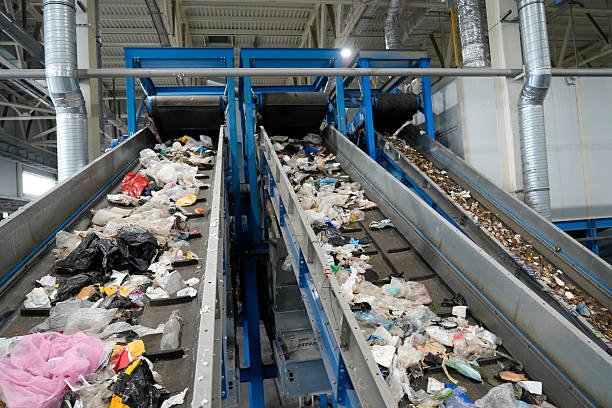
Waste sorting equipment is playing an increasingly important role in India's efforts to modernize waste management systems, improve recycling efficiency, and support sustainable resource recovery. Technologies such as optical sorters, magnetic separators, eddy current separators, trommel screens, air classifiers, and automated conveyor systems help separate recyclable materials from mixed waste streams with greater speed and accuracy.
According to a Vyansa Intelligence report, the India waste sorting equipment market is valued at USD 55 million in 2025 and is projected to reach USD 122 million by 2032, registering a CAGR of 12.05% between 2026 and 2032. The report indicates that rapid urbanization, increasing municipal solid waste generation, and government initiatives promoting scientific waste management continue to accelerate the adoption of advanced waste sorting technologies.
Growing Municipal Waste Drives Demand for Advanced Sorting Systems
India generates millions of tonnes of municipal solid waste each year, creating an urgent need for efficient waste segregation and recycling infrastructure. Waste sorting equipment enables material recovery facilities to efficiently separate plastics, metals, paper, glass, and organic waste before recycling or further treatment.
According to this industry report, municipal waste management remains a major application area, while the waste sorting equipment market analysis highlights increasing investments in automated sorting facilities that improve processing efficiency and resource recovery.
As urban populations continue to expand, municipalities are adopting modern sorting technologies to improve waste handling while reducing dependence on landfills.
Government Initiatives Encourage Modern Waste Management
Government programs promoting source segregation, scientific waste processing, and sustainable urban sanitation are encouraging greater adoption of advanced waste sorting technologies across India. Modern equipment supports compliance with waste management regulations by improving material recovery and reducing the amount of waste sent for disposal.
In this report, government initiatives are identified as an important contributor to equipment adoption, while industry growth trends indicate continued investments in integrated waste processing infrastructure.
The expansion of organized waste collection and recycling systems is also creating new opportunities for advanced sorting equipment across municipalities and private waste management facilities.
Automation Improves Recycling Efficiency
Automation is transforming waste management facilities through the use of artificial intelligence, optical sensors, robotic sorting systems, and digital monitoring technologies. These innovations improve sorting accuracy, reduce manual handling, and increase the processing capacity of recycling plants.
The market research report highlights automation as an important technological advancement, while the industry analysis explains how intelligent sorting systems help improve operational efficiency and material recovery.
Digital monitoring platforms also enable operators to optimize equipment performance, minimize downtime, and improve maintenance planning.
Plastic Recycling Creates New Opportunities
Plastic waste management has become an important priority as India strengthens recycling infrastructure and promotes circular economy practices. Waste sorting equipment enables efficient separation of different plastic materials before recycling, improving the quality and value of recovered resources.
Detailed market insights indicate that plastic recycling continues to encourage investments in advanced sorting technologies, while the waste sorting equipment industry report highlights the increasing importance of automated separation systems for improving recycling outcomes.
Higher-quality material recovery also supports manufacturers that rely on recycled plastics as raw materials for new products.
Technological Innovation Strengthens Equipment Performance
Manufacturers continue developing waste sorting equipment with advanced optical sensors, AI-powered recognition systems, higher processing capacities, and energy-efficient designs. These innovations help recycling facilities process mixed waste streams more accurately while reducing operational costs.
The latest market analysis highlights technological innovation as a major factor influencing industry development, while industry analysis demonstrates how continuous improvements in sorting technology are enhancing recycling productivity.
Advanced equipment also enables facilities to recover a broader range of recyclable materials while maintaining consistent operational performance.
Circular Economy Initiatives Support Long-Term Development
India's growing focus on resource efficiency and circular economy principles continues to strengthen demand for waste sorting equipment. Efficient material recovery helps reduce landfill waste, conserve natural resources, and support sustainable manufacturing practices by returning valuable materials to the production cycle.
The waste sorting equipment market analysis identifies circular economy initiatives as an important driver of equipment adoption, while industry growth trends continue to reflect increasing investments in recycling infrastructure and material recovery facilities.
As recycling capacity expands across the country, advanced sorting technologies will continue supporting long-term environmental and economic objectives.
Conclusion
Waste sorting equipment is becoming a cornerstone of India's modern waste management ecosystem by improving recycling efficiency, resource recovery, and sustainable waste processing. Continued investments in automation, recycling infrastructure, government initiatives, and advanced sorting technologies are strengthening the industry's capabilities.
The waste sorting equipment industry report provides valuable insights into these developments, while the market research report illustrates how technological innovation and sustainability initiatives continue to shape the future of waste sorting equipment across India.