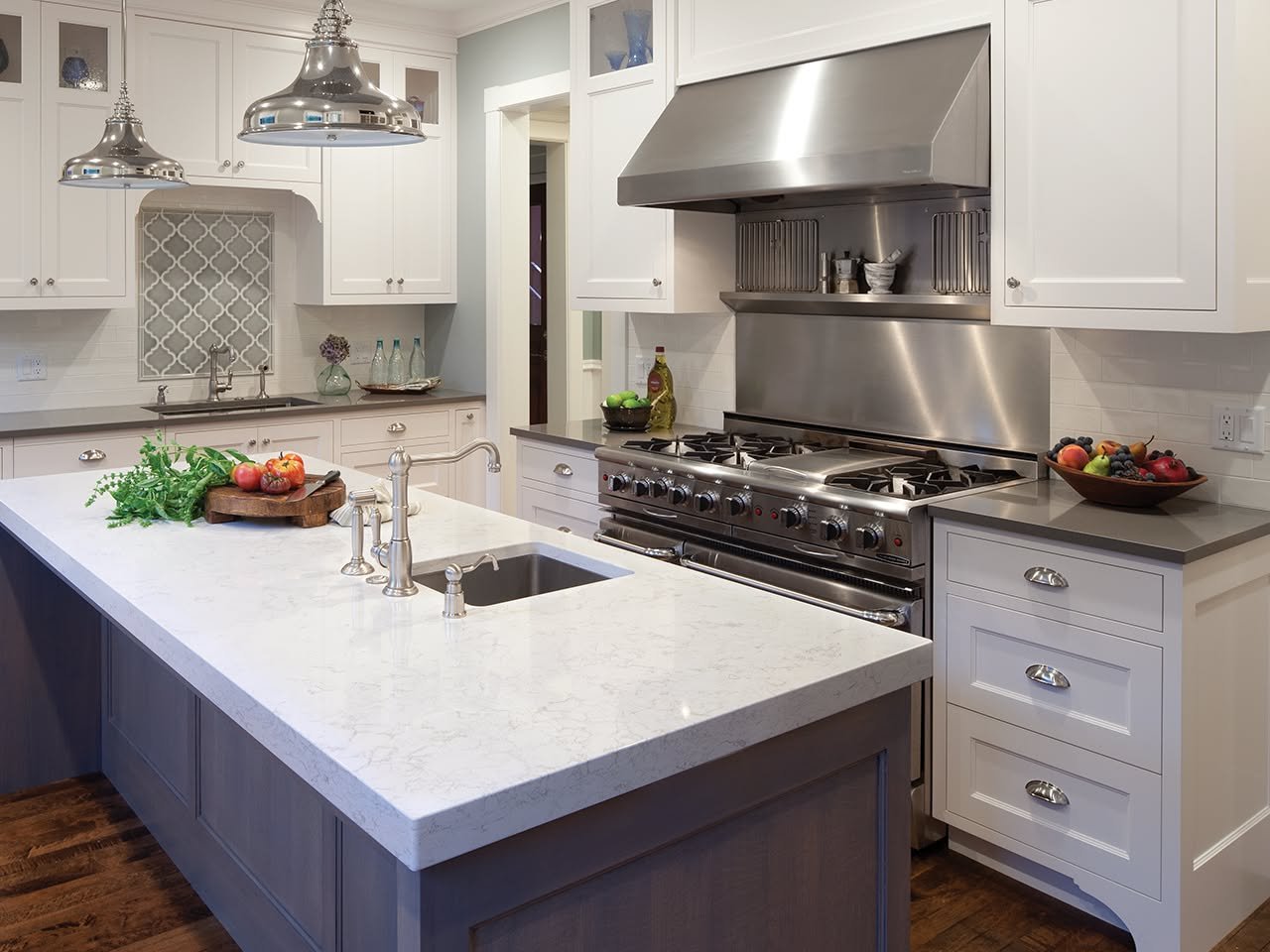
Kitchen storage has become an important part of modern home design. As kitchens take on more responsibilities, homeowners need practical ways to keep cookware, dishes, appliances, and everyday supplies organized. Floor cabinets provide valuable storage, but the walls of a kitchen can offer another opportunity to make better use of available space.
Wall cabinets can help homeowners increase storage without taking additional floor area. When planned carefully, they can also improve accessibility and create a more balanced appearance throughout the room. Their height, placement, door style, and internal organization all influence how effectively they work.
For homeowners considering a kitchen update, understanding the role of wall storage can make cabinet planning much easier. Well-planned wall cabinet solutions can help create a kitchen that feels organized while supporting the way the household uses the space.
Why Vertical Storage Matters in Kitchen Design
Floor space is often limited in kitchens, especially in smaller homes and apartments. Adding more floor cabinets may not always be practical because they can reduce walking space and make the room feel crowded.
Wall cabinets provide a useful alternative because they take advantage of vertical space. Instead of leaving large sections of the wall unused, homeowners can create additional storage above countertops and work areas.
This approach can be especially helpful when the kitchen needs more storage but cannot accommodate a larger footprint. Properly positioned wall cabinets allow homeowners to keep frequently used items nearby without interfering with movement around the room.
Vertical storage can also create a more finished appearance. When cabinets are planned as part of the overall kitchen layout, they can help connect different areas and make the room feel more cohesive.
Choosing the Right Height for Wall Cabinets
Cabinet height is an important consideration because it affects both appearance and accessibility. Cabinets that are positioned too high may be difficult to use, while cabinets placed too low can interfere with countertop activities.
The right height depends on several factors, including ceiling height, countertop placement, appliance locations, and the homeowner's preferences. Kitchens with taller ceilings may provide opportunities for additional cabinet storage, while smaller spaces may require a more compact approach.
Homeowners should also think about what will be stored inside the cabinets. Frequently used dishes and cookware should remain accessible, while seasonal or rarely used items can be placed in higher areas.
Planning cabinet height around actual storage habits can make the kitchen more convenient without sacrificing visual balance.
Matching Wall Cabinets With the Overall Kitchen Layout
Wall cabinets should not be planned separately from the rest of the kitchen. Their placement needs to work with countertops, appliances, windows, lighting, and floor cabinets.
For example, cabinets placed around cooking areas should not interfere with range hoods or other equipment. Similarly, cabinet placement near windows needs to account for natural light and sightlines.
A coordinated layout helps create a kitchen where each component has a clear purpose. When wall cabinets align properly with lower cabinetry, the finished space can look more intentional and organized.
This is one reason cabinet planning should happen before installation rather than treating wall storage as an afterthought.
How Wall Cabinets Support Kitchen Organization
Good storage is not simply about having more cabinets. It is about giving different items an appropriate place.
Wall cabinets can be useful for dishes, glasses, mugs, spices, food containers, and other lightweight kitchen items. Organizing these items according to how often they are used can make daily routines easier.
Frequently used items can be kept at convenient heights, while items that are accessed less often can be placed toward the upper sections.
This type of organization reduces unnecessary searching and helps keep countertops clear. A cleaner countertop can also provide more room for food preparation and other kitchen activities.
Considering Door Styles and Visual Design
Wall cabinets contribute significantly to the visual character of a kitchen because they occupy a large portion of the wall area. Their door style can therefore influence the overall design.
Simple cabinet fronts can support contemporary kitchens, while more detailed profiles may complement traditional or transitional interiors. Color and finish also affect how the cabinets interact with countertops, flooring, backsplashes, and appliances.
Homeowners do not necessarily need to choose the most fashionable style. Instead, they should consider whether the cabinet design fits the home's existing character and will remain appealing over time.
A balanced combination of practical storage and lasting visual appeal can produce a kitchen that feels complete rather than overly trend-driven.
Making Small Kitchens Feel More Efficient
Small kitchens often require careful storage planning because every square foot matters. Wall cabinets can provide additional capacity without consuming valuable floor space.
Using vertical areas effectively can make a compact kitchen more functional. Cabinets can hold items that might otherwise occupy countertops, shelves, or other work surfaces.
However, too many upper cabinets can make a small kitchen feel visually heavy. The layout needs to maintain a balance between storage and openness.
Light colors, consistent cabinet lines, and thoughtful spacing can help maintain an airy appearance while still providing useful storage.
The Importance of Cabinet Quality
Because kitchen cabinets are opened and closed frequently, quality construction matters. Wall cabinets must be securely installed and capable of supporting the items stored inside them.
Homeowners should consider construction, hardware, hinges, finishes, and installation quality when comparing options. These details may not always be noticeable at first, but they can have a significant effect on long-term performance.
A cabinet system should be able to handle normal household use without creating unnecessary maintenance concerns.
Quality also contributes to the overall appearance of the kitchen. Properly aligned doors and consistent finishes help create a more polished result.
Working With a Local Cabinet Provider
Cabinet selection can involve many decisions, from measurements and layouts to styles and storage requirements. Local providers can offer useful guidance based on the needs of homeowners in their service area.
For people researching options in the region, a kitchen cabinet store in Milwaukee can be a useful starting point for comparing cabinet styles and planning a kitchen storage system.
Local knowledge can also make communication easier throughout the design and installation process. Homeowners can discuss the dimensions of their kitchen, preferred styles, storage concerns, and overall remodeling goals before making final decisions.
Planning Wall Cabinets Around Everyday Habits
A successful kitchen should reflect how the household actually operates. A cabinet layout that works well for one family may not be ideal for another.
Someone who cooks regularly may need easy access to dishes, spices, cookware, and preparation tools. Another homeowner may need more room for entertaining supplies, coffee equipment, or small appliances.
Considering these habits before selecting cabinets can prevent storage problems later. It also allows homeowners to assign storage areas according to frequency of use rather than simply filling available spaces.
The result is a kitchen that feels more natural to use because its storage system supports everyday routines.
Conclusion
Wall cabinets can play an important role in creating a more organized and functional kitchen. By using vertical space effectively, homeowners can increase storage capacity without taking additional floor area.
The most successful cabinet layouts consider height, accessibility, style, quality, and household needs together. When wall storage works alongside floor cabinets and other kitchen elements, it can improve both functionality and visual balance.
Thoughtful planning is therefore essential. Rather than choosing cabinets based only on appearance, homeowners can consider how each storage area will be used and how it will contribute to the overall kitchen experience.