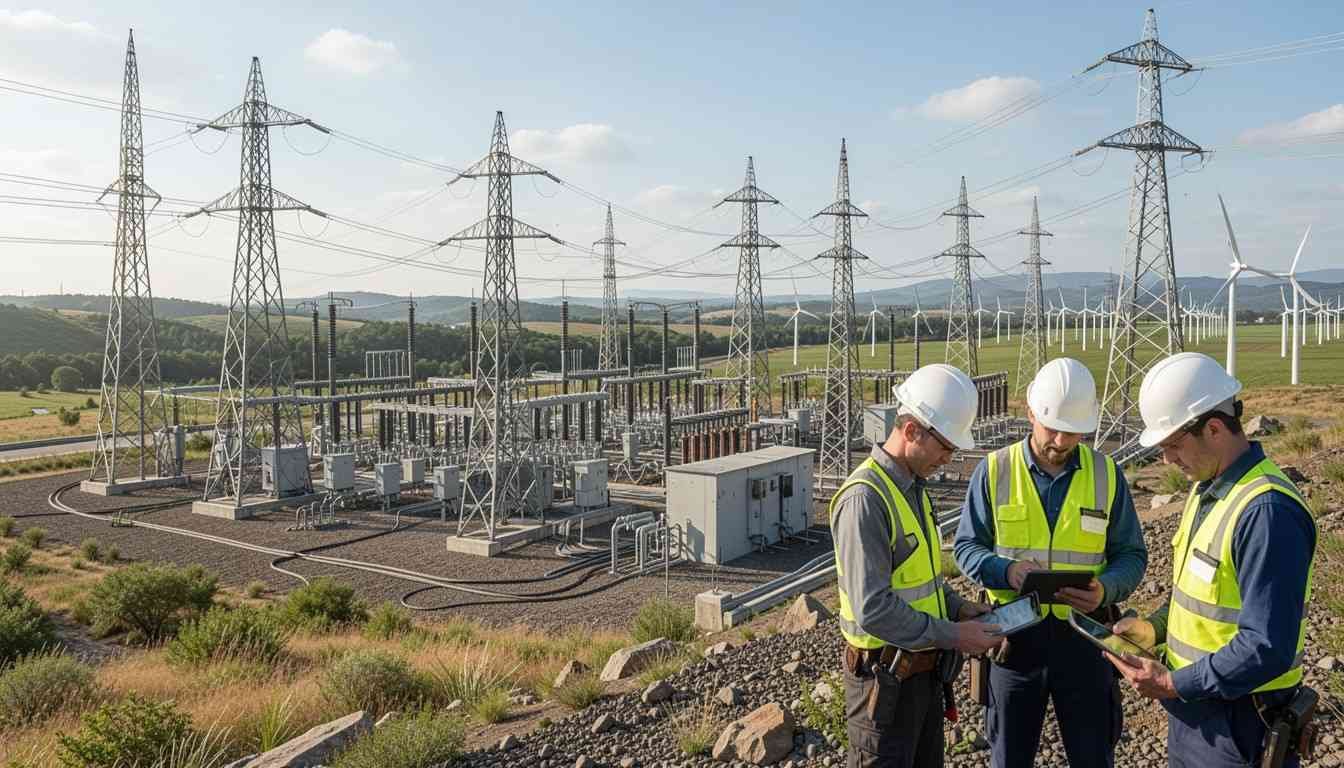
The modern electric grid is under more pressure than ever before. Growing energy demand, aging infrastructure, renewable energy integration, extreme weather events, and cybersecurity threats are creating new challenges for utility companies. To maintain a stable and resilient power system, utilities must focus not only on infrastructure improvements but also on strict regulatory compliance.
Compliance programs, particularly those aligned with North American Electric Reliability Corporation (NERC) standards, play a critical role in improving grid reliability. Through strategic planning, robust engineering practices, and regular assessments, utilities can reduce risks, prevent outages, and ensure reliable power delivery to customers.
In this article, we explore how utilities can strengthen grid reliability through compliance and why services such as electric substation design, electrical power system studies, and NERC compliance testing services are essential components of a modern reliability strategy.
Understanding the Connection Between Compliance and Grid Reliability
Grid reliability refers to the ability of an electrical system to consistently deliver power without interruptions while maintaining system stability under normal and abnormal operating conditions.
Regulatory compliance provides the framework needed to achieve this reliability. NERC reliability standards establish requirements for planning, operating, maintaining, and securing the bulk power system. These standards help utilities identify vulnerabilities, implement corrective actions, and continuously improve system performance.
Rather than viewing compliance as a regulatory obligation, leading utilities treat it as a proactive approach to risk management and operational excellence.
The Importance of Electric Substation Design in Reliability
Substations serve as critical nodes within the electrical grid, facilitating power transmission, voltage transformation, protection, and distribution. Poorly designed substations can become points of failure that negatively impact system reliability.
Effective electric substation design helps utilities achieve compliance while enhancing operational performance. Modern substation design incorporates redundancy, advanced protection systems, automation technologies, and cybersecurity measures to improve resilience.
Key reliability benefits of quality substation design include:
- Improved fault isolation and system protection
- Enhanced equipment reliability and lifespan
- Reduced outage duration and frequency
- Better integration of renewable energy resources
- Increased operational flexibility during emergencies
By incorporating compliance requirements during the design phase, utilities can avoid costly retrofits and ensure long-term reliability from the start.
Using Electrical Power System Studies to Identify Risks
One of the most effective ways to improve grid reliability is through comprehensive electrical power system studies. These studies provide valuable insights into system performance, helping utilities identify weaknesses before they become operational problems.
Power system studies evaluate various aspects of network behavior, including:
Load Flow Analysis
Load flow studies determine how power moves throughout the system under different operating conditions. Utilities can identify overloaded equipment, voltage issues, and capacity limitations that may affect reliability.
Short Circuit Studies
Short circuit analysis evaluates fault conditions and ensures that protective devices operate correctly during disturbances. Proper fault coordination helps prevent equipment damage and widespread outages.
Arc Flash Studies
Arc flash assessments improve worker safety while supporting compliance with electrical safety standards. Safer maintenance practices contribute to greater operational reliability.
Stability Studies
Stability assessments examine how the system responds to disturbances such as faults, generator trips, or transmission line outages. These studies help utilities maintain system integrity during unexpected events.
Regular electrical power system studies allow utilities to make informed decisions regarding upgrades, maintenance priorities, and compliance initiatives.
The Value of NERC Compliance Testing Services
NERC standards require utilities to demonstrate that critical systems and equipment perform as intended. This is where professional NERC compliance testing services become essential.
Compliance testing verifies the functionality of protection systems, control equipment, communication networks, and operational procedures. Testing also provides documented evidence that utilities meet regulatory requirements.
Benefits of NERC compliance testing include:
- Early identification of system vulnerabilities
- Reduced risk of regulatory violations
- Improved operational confidence
- Enhanced system reliability and resilience
- Better preparedness for audits and inspections
Routine testing helps utilities ensure that reliability-critical assets remain fully functional and compliant with evolving standards.
Building a Culture of Continuous Compliance
Compliance should not be treated as a one-time project. The most reliable utilities establish ongoing compliance programs that integrate engineering, operations, maintenance, and management teams.
A strong compliance culture includes:
Regular Assessments and Audits
Periodic evaluations help identify gaps before they become major issues. Internal audits can reveal opportunities for improvement and strengthen readiness for external reviews.
Employee Training
Well-trained personnel are essential for maintaining reliable operations. Continuous education ensures employees understand compliance requirements and operational best practices.
Documentation and Record Management
Accurate documentation supports compliance efforts and provides valuable operational insights. Organized records also simplify regulatory audits and investigations.
Technology Integration
Advanced monitoring systems, predictive analytics, and digital asset management tools enable utilities to track compliance metrics and identify emerging risks in real time.
When compliance becomes part of everyday operations, utilities can significantly improve system reliability while reducing regulatory exposure.
Preparing for the Future Grid
The electric power industry continues to evolve rapidly. Renewable energy expansion, distributed generation, battery storage systems, and grid modernization initiatives are transforming how utilities operate.
As grid complexity increases, compliance requirements will continue to grow. Utilities that invest in proactive reliability strategies today will be better prepared for future challenges.
Comprehensive electric substation design, detailed electrical power system studies, and professional NERC compliance testing services provide the foundation for a resilient and reliable power system. Together, these services help utilities strengthen infrastructure, improve operational performance, and maintain compliance with industry standards.
Conclusion
Grid reliability is not achieved through infrastructure investments alone. It requires a comprehensive approach that combines engineering expertise, operational excellence, and regulatory compliance.
Utilities that prioritize compliance gain valuable insights into system performance, reduce operational risks, and improve their ability to deliver reliable power. Through strategic electric substation design, thorough electrical power system studies, and ongoing NERC compliance testing services, organizations can build stronger, more resilient electrical networks capable of meeting today's demands and tomorrow's challenges.
As the energy landscape continues to evolve, compliance will remain one of the most effective tools for ensuring long-term grid reliability and operational success.