Introduction: Building in One of the World’s Most Complex Urban Environments
New York never stops moving. Construction crews work within inches of neighboring buildings, underground utilities weave beneath crowded streets, and high-rise developments compete for limited space. In a city where even a small design error can trigger delays, disruptions, or safety concerns, precision becomes critical from the very beginning.
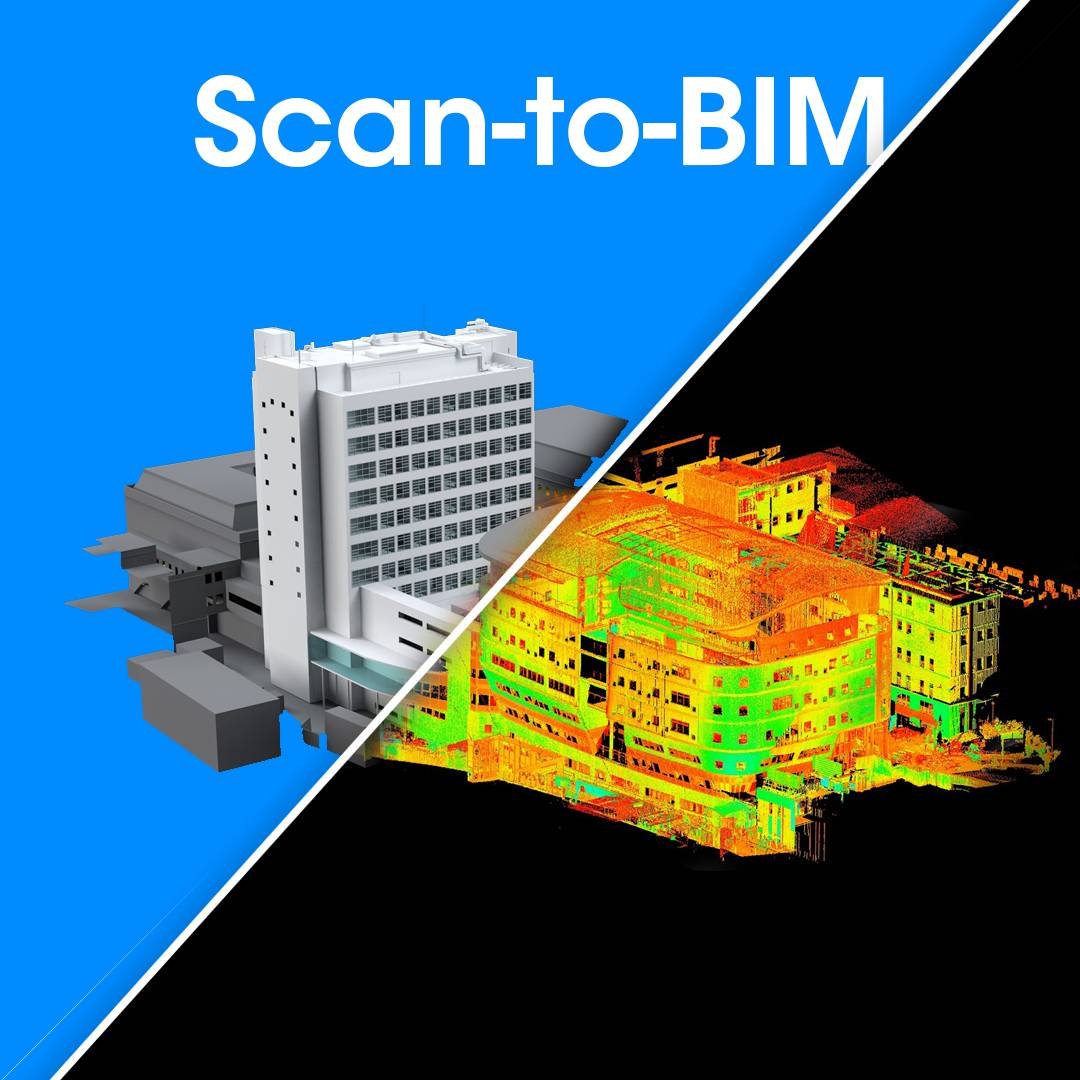
This is where BIM modeling services are changing the way urban projects are planned and managed. Instead of relying on disconnected drawings and assumptions, project teams can create highly accurate digital twins that reflect real-world building conditions, infrastructure networks, and construction environments before work even begins.
The Challenge of Building in Dense Urban Environments
When you work on projects in New York, space is never truly available-it’s negotiated. Every construction site is surrounded by active roads, adjacent properties, transit systems, and utilities that cannot be disrupted carelessly.
Traditional workflows often struggle in these conditions because they provide limited visibility into how systems interact in real time. A coordination issue that seems minor in design can quickly escalate on-site, especially in tightly packed urban environments where access is restricted and schedules are unforgiving.
Digital twins help reduce that uncertainty. By combining BIM data with accurate site conditions, project teams gain a detailed virtual environment where problems can be identified long before they reach the construction phase.
Why Digital Twins Matter More Than Ever
A digital twin goes beyond a standard 3D model. It acts as a dynamic representation of a building or infrastructure asset, helping teams understand how different systems behave together over time.
In high-density cities like New York, this level of visibility becomes essential. Architects, engineers, contractors, and facility managers can coordinate using the same reliable data instead of working from fragmented information. Structural systems, MEP layouts, and site logistics can all be analyzed within one connected environment.
This improves decision-making early, when changes are still manageable and far less expensive.
Improving Coordination in Complex Urban Projects
Urban projects rarely operate in isolation. A single development may interact with nearby buildings, subway systems, underground utilities, and pedestrian traffic simultaneously. Without accurate coordination, even small conflicts can create major delays.
Digital twins help teams simulate construction activities before execution. Crane movement, material staging, access routes, and equipment placement can all be tested virtually. Potential clashes between systems are detected earlier, reducing rework and improving project efficiency.
For developers and contractors, this means fewer surprises once construction begins and far more confidence in the project schedule.
Managing Infrastructure and Utilities More Effectively
One of the biggest challenges in New York construction is what lies beneath the surface. Underground utility systems are often decades old, heavily congested, and poorly documented.
This is why working with a BIM company in New York becomes especially valuable. Local expertise helps project teams navigate the city’s complex infrastructure conditions, compliance requirements, and coordination challenges more effectively.
With accurate digital twins, utilities and surrounding infrastructure can be modeled with greater precision, helping teams avoid conflicts that might otherwise cause expensive disruptions or redesigns.
Supporting Long-Term Building Performance
The value of digital twins extends well beyond construction. Once a building becomes operational, the same model can support facility management, maintenance planning, and future renovations.
Building owners gain access to accurate asset data, system information, and performance insights that improve operational efficiency over time. In dense cities where maintenance access and downtime are costly, this visibility becomes a major advantage.
Instead of relying on outdated drawings or manual inspections alone, teams can make informed decisions using live, data-driven models.
Conclusion
Urban density in New York leaves very little room for error. As projects become more complex and space becomes increasingly constrained, precise digital twins are no longer optional-they are essential for reducing risk, improving coordination, and supporting smarter urban development.
By combining accurate BIM workflows with advanced digital modeling strategies, companies like Next Synergy Solutions help developers, architects, and contractors navigate the challenges of dense urban construction with greater confidence and control. In a city where precision directly impacts time, cost, and safety, digital twins are becoming the foundation of successful project delivery.