Introduction
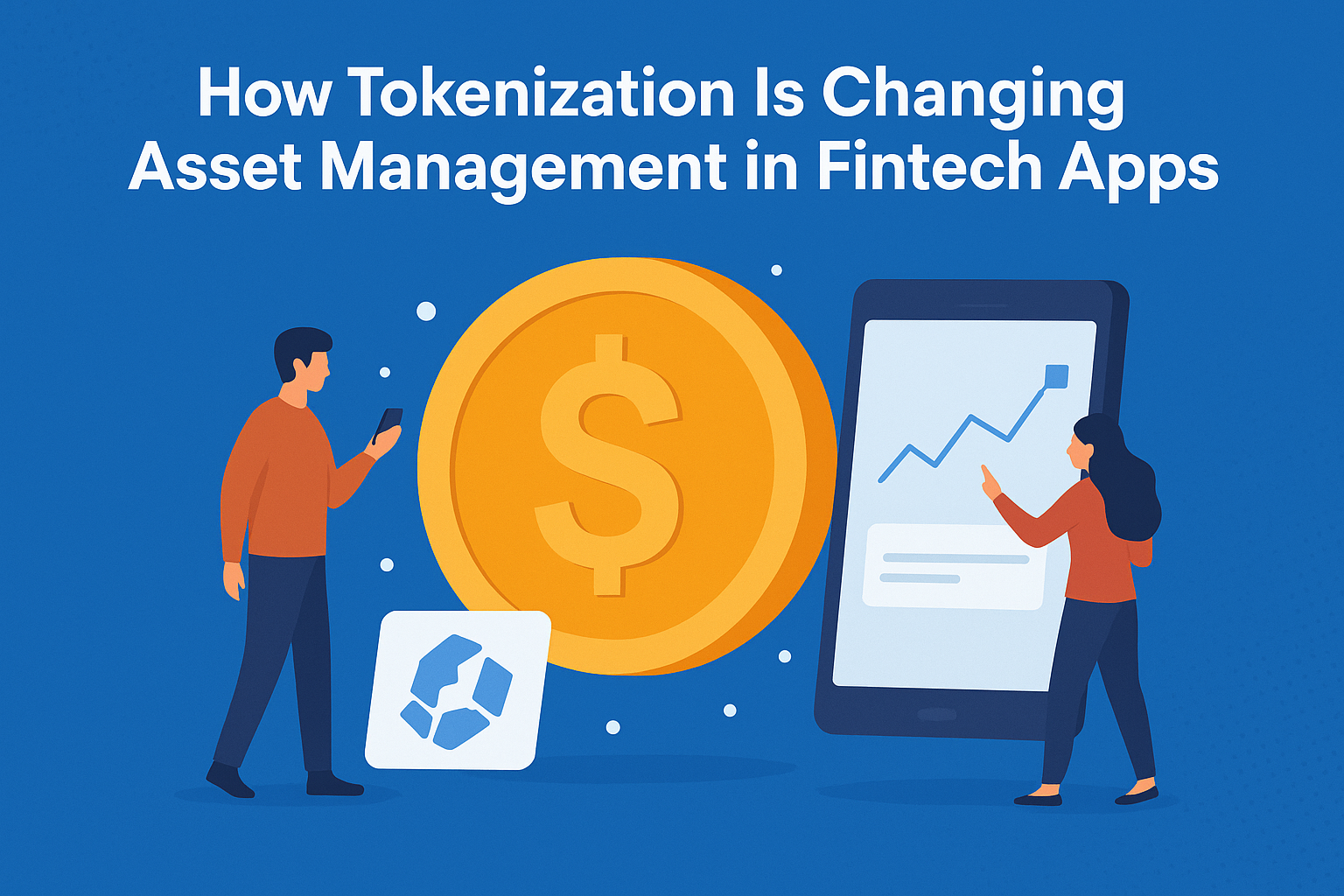
The financial industry is experiencing a profound shift, and at the center of it lies tokenization—the process of transforming real-world assets into digital tokens on a blockchain. What was once a conceptual buzzword has now evolved into a tangible solution, fundamentally changing how people invest, own, and transfer assets. From real estate and private equity to fine art and commodities, tokenization is reshaping asset management and bringing opportunities to a much wider audience.
For businesses exploring fintech app development tokenization has become a cornerstone of innovation. By integrating blockchain-powered features into mobile and web platforms, developers and enterprises can offer users fractional ownership, liquidity, and global accessibility to assets that were previously out of reach. This alignment of tokenization and fintech apps represents one of the most exciting financial advancements in recent history.
This article explores how tokenization is redefining asset management, the benefits and risks, and the future role fintech apps will play in making tokenized assets mainstream.
What Is Tokenization?
Tokenization is the practice of representing ownership of real or digital assets as tokens on a blockchain. These tokens act like digital certificates of ownership, offering secure, traceable, and transferable proof of value.
There are two main types of tokens:
- Fungible tokens – interchangeable assets such as currencies, stocks, or commodities.
- Non-fungible tokens (NFTs) – unique tokens representing ownership of distinct assets such as artwork, music rights, or property deeds.
For instance, consider a $50 million commercial property. Traditionally, only institutional investors could afford it. With tokenization, the property can be split into 50,000 tokens worth $1,000 each, enabling individual investors worldwide to own a fraction of the building. This opens markets that were previously limited to a privileged few.
Why Tokenization Matters for Asset Management
1. Fractional Ownership
High-value assets like real estate, fine art, or private equity are typically inaccessible to everyday investors. Tokenization allows these assets to be divided into small, affordable units, giving more people a chance to participate.
2. Liquidity for Illiquid Assets
Markets like real estate or collectibles are notoriously illiquid. Tokenization creates tradable digital representations of such assets, allowing for easier entry and exit through secondary markets.
3. Transparency and Security
Because blockchain records every transaction, ownership is verifiable, secure, and tamper-proof. This level of transparency reduces fraud and builds investor confidence.
4. Cost Efficiency
Traditional asset transfers require multiple intermediaries, contracts, and processing times. Tokenization reduces reliance on middlemen, enabling faster, more cost-effective transactions.
5. Global Accessibility
Investors no longer need to be bound by geography. With a smartphone and an internet connection, anyone can purchase tokenized shares of assets via fintech apps.
How Fintech Apps Bring Tokenization to Users
Fintech apps serve as the interface that bridges tokenization with mainstream adoption. While blockchain provides the foundation, it is fintech applications that deliver a seamless, user-friendly experience.
Key Features of Tokenized Asset Management in Apps:
- Asset Tokenization Platforms – Asset issuers can list and tokenize real-world assets.
- Integrated Digital Wallets – Investors securely store and manage their tokenized assets.
- Marketplaces – Platforms allow tokenized assets to be bought, sold, or traded in real time.
- Smart Contracts – Automate compliance, dividend distribution, and voting rights.
- Regulatory Compliance Modules – Features like KYC and AML ensure transactions meet legal standards.
By combining these features, fintech apps democratize access to investment opportunities once reserved for wealthy individuals and institutions.
Real-World Applications of Tokenization
- Real Estate – Tokenization makes it possible for investors to buy fractions of commercial or residential properties. Platforms already exist where users can invest in global real estate portfolios.
- Art and Collectibles – Iconic paintings, luxury watches, and rare cars are now tokenized, allowing enthusiasts and small investors to own a piece of history.
- Private Equity and Startups – Startups are raising funds through equity tokens, enabling them to attract global backers outside of traditional venture capital networks.
- Commodities – Assets like gold, silver, and even carbon credits are being tokenized, providing investors with a more flexible and accessible way to trade.
Benefits for Different Stakeholders
Investors Gain:
- Accessibility – Lower entry barriers to premium assets.
- Diversification – Ability to spread risk across multiple sectors.
- Liquidity – Exit investments faster via token trading.
Asset Owners Gain:
- Capital Unlocking – Sell fractions of assets to raise liquidity without losing full control.
- Wider Reach – Attract investors globally.
- Improved Transparency – Blockchain ensures accurate records of ownership and transactions.
Challenges and Limitations
- Regulation Uncertainty
Tokenized assets often fall into a gray area of financial regulation. Governments worldwide are still developing frameworks, making compliance complex.
- Technology Complexity
Building tokenization-enabled apps requires advanced blockchain expertise and security measures. Without the right technical foundation, platforms can face vulnerabilities.
- Investor Awareness
Many people remain unfamiliar with tokenization. Educating users and overcoming skepticism is essential.
- Cybersecurity Risks
Although blockchain itself is secure, fintech apps and exchanges may be targeted by hackers, requiring robust security systems.
The Future of Tokenized Asset Management
The tokenization market is projected to grow into the trillions by 2030. As the industry matures, several trends will shape its future:
- Institutional Integration – Banks and large asset managers are expected to embrace tokenized asset offerings.
- DeFi Expansion – Tokenized assets may be integrated into decentralized finance for lending, borrowing, and yield generation.
- Global Standards – Unified regulatory frameworks will allow seamless international trading.
- Retail Mass Adoption – Millions of everyday investors will access tokenized markets through fintech apps.
The Role of Development Companies
Developing secure, scalable, and regulation-compliant tokenization solutions requires strong technical expertise. From digital wallets to marketplaces and smart contracts, businesses must rely on experienced partners. Partnering with a specialized blockchain app development company ensures platforms are built with the right architecture, security protocols, and compliance features.
As the demand for tokenized investment grows, development firms that can integrate tokenization into fintech solutions will play a crucial role in shaping the next wave of financial services.
Conclusion
Tokenization is revolutionizing asset management by making markets more transparent, efficient, and inclusive. Through fractional ownership, liquidity, and global reach, investors and asset owners alike benefit from once inaccessible opportunities.
While challenges such as regulatory uncertainty and technological complexity remain, the momentum behind tokenization continues to grow. As fintech apps evolve and integrate tokenization features, the vision of democratized finance is rapidly becoming reality. Businesses, investors, and developers who embrace tokenization now will be positioned at the forefront of this financial revolution.