How to Use Softboxes & LED Panels in Photo Studios
Lighting is the backbone of photography. No matter how advanced your camera or lens may be, the way you manipulate light determines the quality, tone, and depth of your images. Two of the most versatile and widely used tools in any professional Photography Studio are softboxes and LED panels. These tools give photographers precise control over light diffusion, direction, and intensity—allowing them to shape moods and bring out the best in every subject.
Understanding the Role of Softboxes and LED Panels
Softboxes and LED panels serve the same purpose—controlling light—but they do so in slightly different ways. Softboxes diffuse light through a fabric layer, creating a broad, soft, and natural-looking glow that minimizes harsh shadows. LED panels, on the other hand, offer adjustable brightness and color temperature, giving photographers real-time control over the lighting environment.
When used together, they create balanced, flexible setups ideal for portrait, product, or editorial photography. At Delenzo Studio, both softboxes and LEDs are staples in every shoot setup, enabling photographers to achieve consistency and creativity across different lighting conditions.
Why Soft Lighting Matters in Studio Photography
Harsh lighting can emphasize textures, wrinkles, or unwanted shadows. Soft lighting, on the other hand, enhances the subject’s natural features by evenly distributing illumination. This quality is particularly important for portrait photography, product shoots, and fashion editorials—genres that rely on detail and smooth tonal transitions.
Softboxes are the perfect solution for this purpose. They emulate the look of natural daylight by diffusing the light source and spreading it evenly across the scene. Depending on their size and placement, softboxes can create anything from a soft glow for close-up portraits to a broad wash of light for full-body compositions.
Types of Softboxes and Their Applications
Choosing the right softbox depends on your subject, composition, and artistic intent.
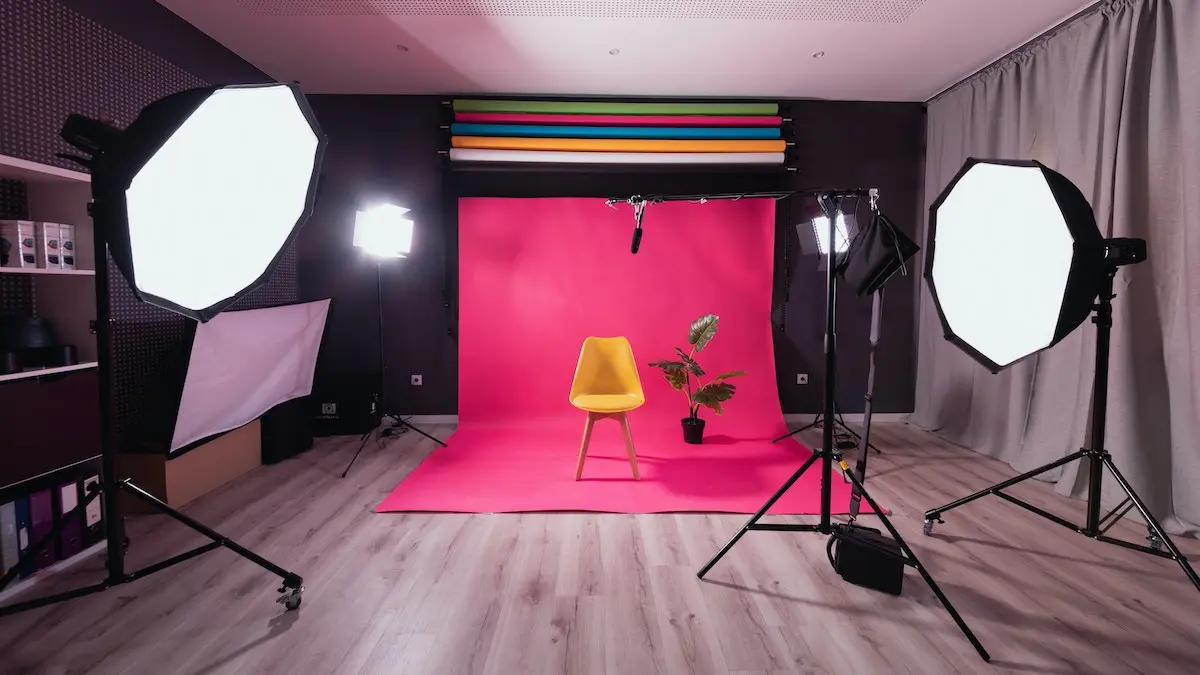
Small softboxes are excellent for headshots and accent lighting because they create subtle highlights. Medium softboxes are versatile enough for most portraits and tabletop photography, while large softboxes provide broad, diffused illumination for group photos or fashion shoots.
Octagonal softboxes, commonly known as octaboxes, are popular in professional studios like Delenzo because they produce round catchlights that look more natural in the subject’s eyes. Rectangular and square softboxes, on the other hand, are often used to mimic the shape and direction of window light.
Setting Up and Positioning Softboxes
The effectiveness of a softbox depends heavily on how it’s positioned relative to the subject. The closer the softbox is placed, the softer and more diffused the light becomes. Moving it farther away increases contrast and shadow definition.
A common setup is the “45-degree lighting” technique, where the softbox is placed at a 45-degree angle to the subject’s face. This positioning creates depth by illuminating one side while allowing gentle shadows to fall on the other.
Photographers may also experiment with overhead placements for a top-down glow or side lighting for dramatic mood portraits. Delenzo’s Photography Studio setups include multiple softbox configurations that allow creators to experiment and achieve their ideal balance of shadow and highlight.
The Versatility of LED Panels in Modern Studios
While softboxes handle light diffusion beautifully, LED panels bring flexibility and precision to the mix. Unlike traditional lights, LED panels are energy-efficient, lightweight, and adjustable in both intensity and color temperature. This allows photographers to adapt their lighting instantly—whether simulating golden hour warmth or cool daylight tones.
LED panels are particularly valuable for hybrid creators who shoot both photo and video content. Their flicker-free output ensures smooth consistency, making them a must-have in modern creative spaces like Delenzo’s Podcast studio, where lighting continuity across video podcasts and brand visuals is crucial.
Combining Softboxes and LED Panels for Dynamic Results
Using softboxes and LED panels together offers creative control that neither tool can achieve alone. LED panels can act as key lights for primary illumination, while softboxes serve as fill lights to soften shadows. This layered approach enhances dimensionality and realism.
Photographers often use LED panels with color gels to introduce warmth or mood variations, then balance them with neutral-toned softboxes to maintain skin tone accuracy. By blending these tools, you can create images that are both technically precise and visually engaging.
Lighting Techniques Using Softboxes and LEDs
Studio lighting isn’t just about illumination—it’s about mood, storytelling, and texture.
Key techniques include:
- Rembrandt Lighting: Softboxes placed slightly above eye level at a 45-degree angle to create a triangle of light on the cheek.
- Butterfly Lighting: A softbox directly in front and slightly above the subject to produce flattering, shadow-free portraits.
- Split Lighting: Using an LED panel or softbox on one side of the face for dramatic contrast and mood.
These techniques are easily achievable in a professional setup, especially when you have space and flexibility to adjust your light sources as available in a dedicated Photography Studio.
Achieving Natural Skin Tones with LED Control
One of the biggest challenges in studio photography is maintaining accurate skin tones. LED panels with adjustable color temperatures help solve this issue. By fine-tuning the Kelvin range—typically between 3200K (warm) and 5600K (daylight)—you can match the light to your camera’s white balance and achieve natural, lifelike results.
Combining this with a large softbox as a fill light ensures that the overall tone remains flattering without washing out skin texture. For professional-grade output, it’s always best to test different lighting intensities on a neutral backdrop to evaluate color accuracy before the actual shoot.
Experimentation and Creative Expression
Photography thrives on experimentation. Even with consistent tools like softboxes and LED panels, no two shoots need to look the same. You can vary color tones, use diffusers, or adjust angles to introduce freshness in each frame. Some photographers even incorporate multiple LED panels with colored gels to add cinematic vibrance or accent lights to emphasize contours.
At Delenzo Studio, photographers and content creators often explore these techniques not only for still photography but also for creative video productions, product promotions, and artistic short films. The ability to modify lighting in real time empowers creators to move seamlessly between visual mediums while maintaining a unified aesthetic.
Conclusion
Learning how to use softboxes and LED panels effectively is one of the most valuable skills in studio photography. These lighting tools provide balance, control, and creativity—allowing photographers to produce professional-quality images under any condition. Whether capturing portraits, fashion editorials, or branded visuals, understanding light behavior can dramatically enhance your work.
Tags : Photo Studios Softboxes LED Panels